
 Cleveland Museum of Art · CC0 1.0
Pages in this section
 ConditionsWhich works can be certified, who can submit a case and when a request is inadmissible.›
 File to provideComplete list of documents, photographs and information to attach to an application for a certificate of authenticity.›
 TimeframesDuration of each step of an application for a certificate of authenticity and factors that can lengthen or shorten it.›
Establishing who made the work
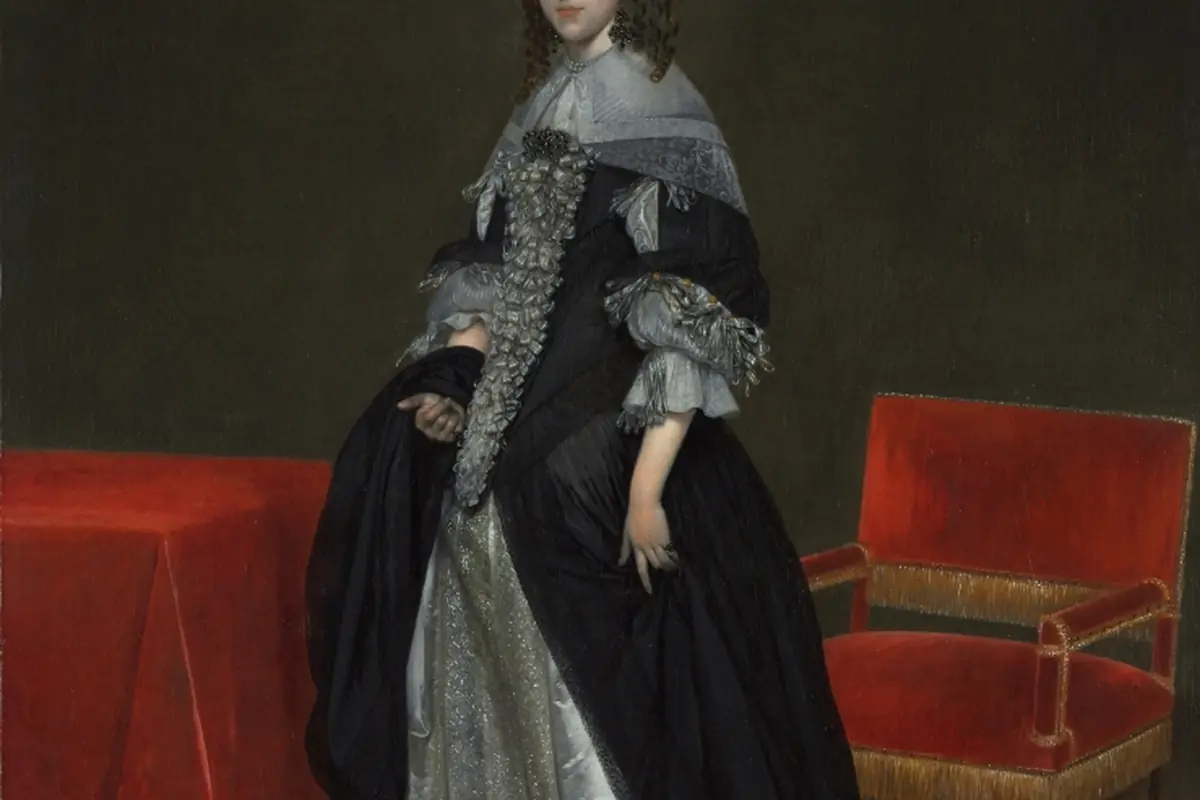
The certificate of authenticity answers a simple and decisive question: is this work really by the artist, workshop or period stated?
It is the act most requested at the Desk: 8,420 certificates have been issued since the Registry was created. It is required by most auction houses, insurers and museums before any major transaction.
The expert assessment combines a specialist's eye, documentary research and proportionate scientific analyses. It is carried out by an accredited expert, independent of the applicant.
Authenticity in figures
Source: OIMAP Observatory, 2024.
Three pages to prepare your application
What the certificate attests
The certificate attests that, on the basis of the evidence available at the date of the assessment, the work described is by the hand of the artist, of his or her workshop, or of the period stated. It identifies the work unambiguously: dimensions, technique, signatures, photographs, OIMAP number.
It states the degree of certainty of the conclusion, the list of analyses carried out and the expert who signed the opinion. It is sealed, given a QR code and entered in the Registry.
What a certificate contains
| Heading | Content |
|---|---|
| Identification | OIMAP-YYYY-NNNNNN-A number, artist, title, date, technique, dimensions |
| Conclusion | Degree of certainty: authentic, attributed, workshop, school, not authentic, undetermined |
| Examinations | List of visual examinations, imaging and analyses carried out |
| Sources | Catalogues raisonnés, archives and comparison works |
| Signatories | Expert, committee chair, date of issue |
| Security | Official seal, QR code, fingerprint recorded in the Registry |
How authenticity is established
- Visual examination
The expert observes the workmanship, the brushwork, the materials, the signature and the inscriptions.
- Documentary research
Catalogues raisonnés, correspondence, workshop archives and old sales.
- Imaging
Infrared reflectography, UV fluorescence, radiography: pentimenti, restorations, underlayers.
- Laboratory analyses
Pigments, binders, supports, dating if necessary.
- Reasoned opinion
The expert concludes, stating the sources and the degree of certainty.
Value of the certificate
Authenticity or provenance: what is the difference?
Certificate of authenticity
Who made the work?- Examination of the object itself
- Material analyses and stylistic comparison
- Conclusion on attribution
To be requested before a sale or insurance.
Provenance certificate
Whose hands has it passed through?- Study of the object's history
- Archives, invoices, inventories, exhibitions
- Conclusion on the chain of ownership
To be requested to secure ownership.
Authenticity at OIMAP
- First certificates
Issued by the experts of the founding States.
- Accreditation
Creation of the accreditation of experts and of the code of ethics.
- Common protocol
Directive No. 2019-07 sets the authentication method.
- 8,420 certificates
A 9% rise over one year.
Case study: an attributed drawing
A nuanced attribution
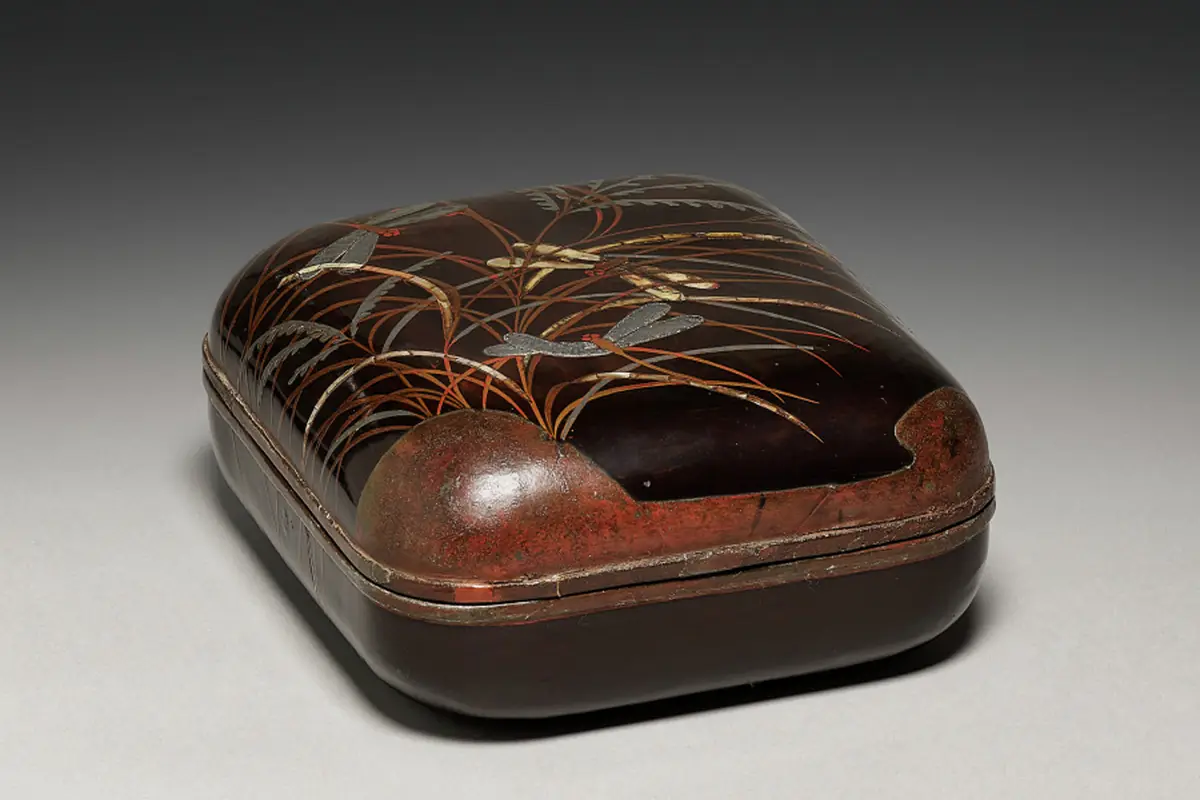
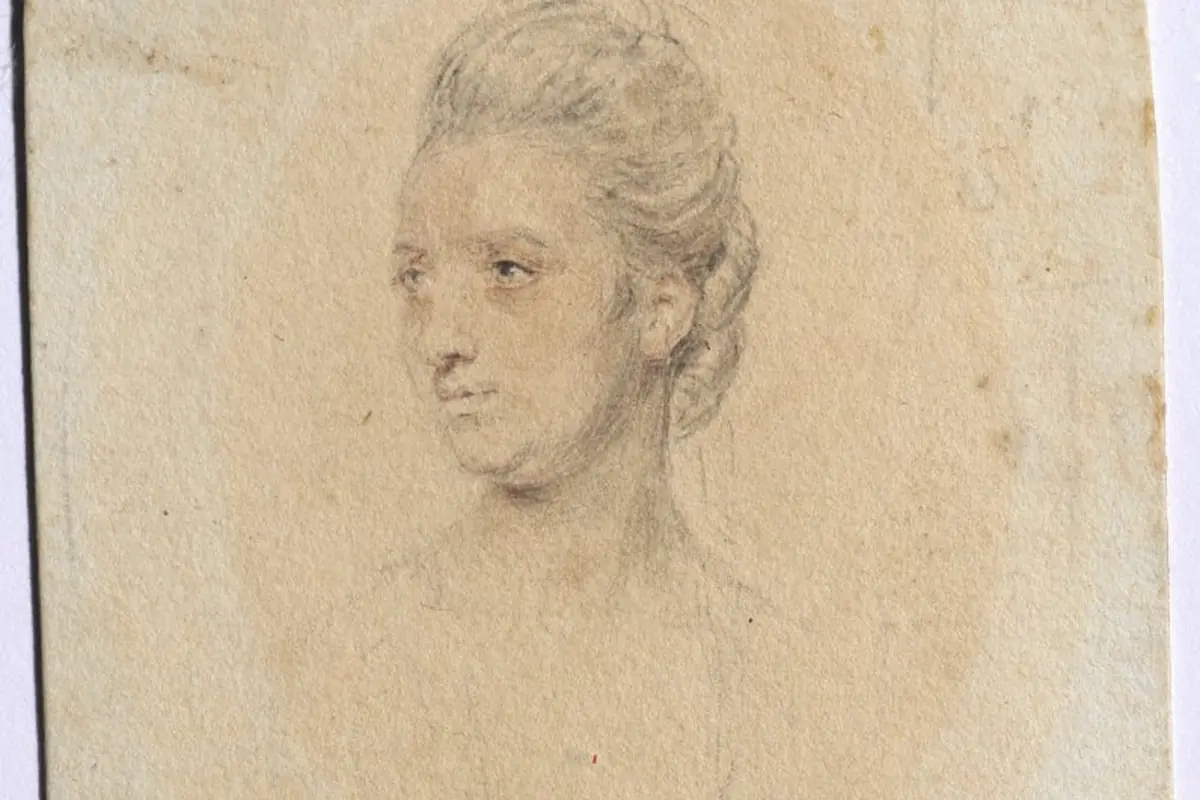
A collector wishes to have a drawing attributed to a Japanese master of the print certified. The signature is partly effaced.
- The expert, a specialist in graphic arts, examines the paper and the ink.
- Imaging reveals an old collector's stamp.
- Comparison with three sheets from the same series confirms the style.
“Attributed to” certificate, with a reasoned reservation on the signature: sufficient for insurance, not for a sale at the master's price.
A point of method
« One does not authenticate a work against the verdict of the materials. Style proposes, matter disposes. »
Vocabulary of authenticity
- Attribution
- Linking a work with an artist, with or without certainty.
- Catalogue raisonné
- Critical and complete inventory of an artist's work.
- Pentimento
- Visible alteration made by the artist during execution.
- Infrared reflectography
- Imaging that reveals the underdrawing of a painting.
Frequently asked questions
Does a certificate of authenticity have a period of validity?
No, it is unlimited, unless a new fact arises that might call the conclusion into question.
Can I have a work by a living artist certified?
Yes, with the participation of the artist or their successor in title, who confirms the attribution.
Does OIMAP certify the value of the work?
No. Valuation is a matter for other professionals; the certificate concerns authenticity.
What if the certificate is challenged?
A third party may seize the Arbitral Tribunal. The certificate remains valid until a decision is made.
Useful documents
Contacts
Related pages
 Provenance certificatesThe provenance certificate reconstructs and attests the chain of ownership of a work, from its creation to its current owner.›
 Partner laboratoriesThe network of 24 laboratories that carry out the scientific analyses of cases: spectroscopy, dating and imaging.›
 Accredited expertsThe network of 360 independent experts who examine works: accreditation, specialties, ethics and public directory.›
 Verify a certificateCheck the authenticity of an OIMAP certificate free of charge: by number, by QR code, or report a fake.›
Have a work certified
Image credits (23)
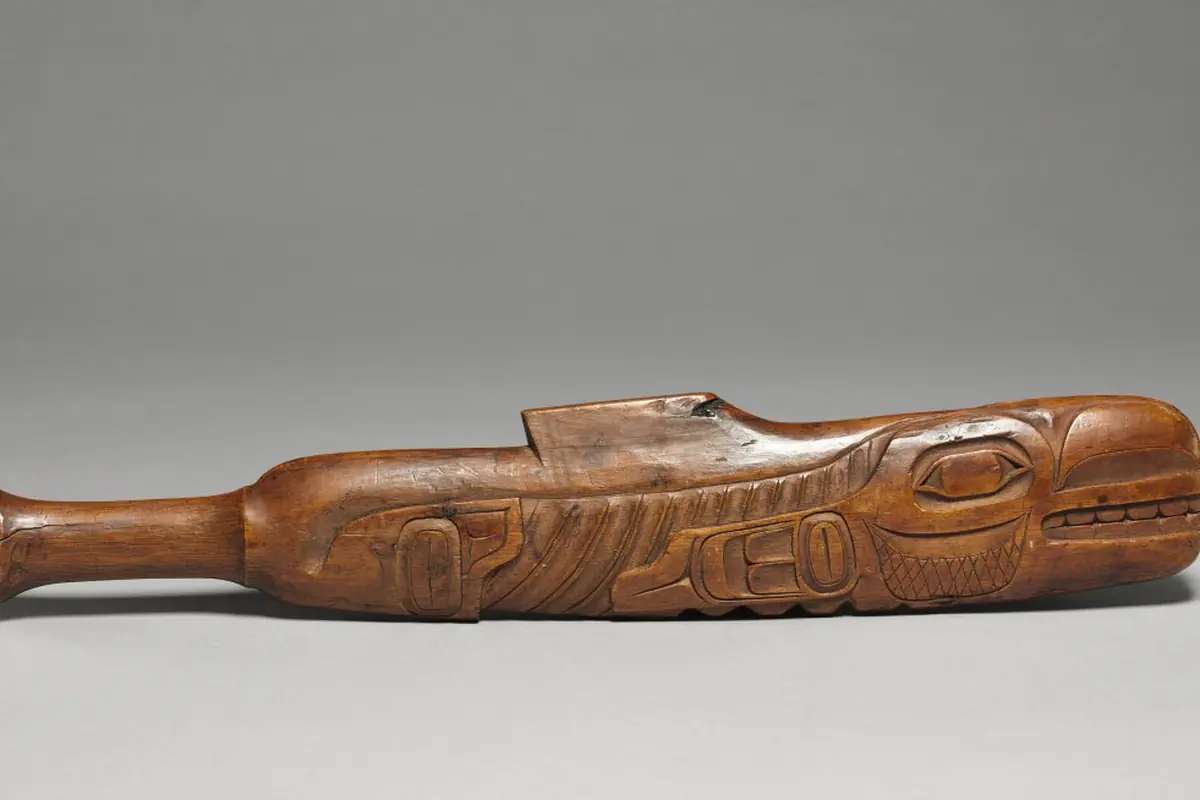
- Fish or Seal Club (X’ús’) (late 1800s–early 1900s) — Cleveland Museum of Art, CC0 1.0
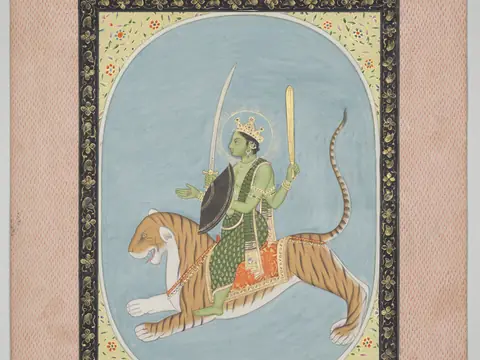
- Mercury (Budha), from a Mandi Astrology Series, Sanju (c. 1810) — Cleveland Museum of Art, CC0 1.0
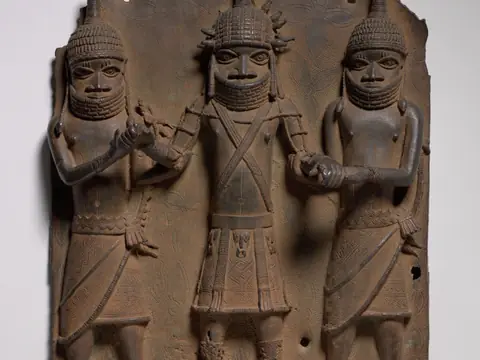
- Plaque (1500s–1600s) — Cleveland Museum of Art, CC0 1.0
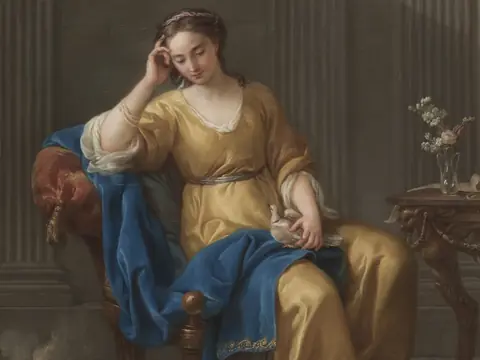
- Sweet Melancholy, Joseph-Marie Vien (1756) — Cleveland Museum of Art, CC0 1.0
- Portrait of a Woman, Gerard ter Borch (c. 1665) — Cleveland Museum of Art, CC0 1.0
- Teapot with Landscape and Imperial Poem, Chen Hanwen (1762–95) — Cleveland Museum of Art, CC0 1.0
- Scenes of Witchcraft: Morning, Salvator Rosa (c. 1645–49) — Cleveland Museum of Art, CC0 1.0
- Document Box (Ryōshibako) with Chrysanthemum and Plum (lid) (late 1800s-early 1900s) — Cleveland Museum of Art, CC0 1.0
- Portraits of the Qianlong Emperor and His Twelve Consorts, Giuseppe Castiglione (1736–70s) — Cleveland Museum of Art, CC0 1.0
- Carved Lacquer Scroll Box (1736–95) — Cleveland Museum of Art, CC0 1.0
- Still Life with Vegetables, Partridge, and a Jug, Adolphe-Félix Cals (1858) — Cleveland Museum of Art, CC0 1.0
- Seal with Two Qilin Playing (1849) — Cleveland Museum of Art, CC0 1.0
- Portrait of a Woman, Anna Claypoole Peale (1820) — Cleveland Museum of Art, CC0 1.0
- Nini in the Garden (Nini Lopez), Auguste Renoir (1876) — The Metropolitan Museum of Art, CC0 1.0
- Letter Box, Ogata Kōrin (1700s) — Cleveland Museum of Art, CC0 1.0
- Portrait of a Woman, John I Smart (c. 1772) — Cleveland Museum of Art, CC0 1.0
- Carnet (1863–1865) — Cleveland Museum of Art, CC0 1.0
- Small Mosque in the Kaiserbagh, Felice A. Beato (1858) — Cleveland Museum of Art, CC0 1.0
- Nuova pianta di Roma data in luce da Giambattista Nolli l’anno MDCCXLVII, known as La Pianta Grande di Roma, Giovanni Battista Nolli (1748) — Cleveland Museum of Art, CC0 1.0
- Annunciation to the Shepherds: Leaf from a Book of Hours (1 of 6 Excised Leaves), Henri d'Orquevaulx (c. 1420–30) — Cleveland Museum of Art, CC0 1.0
- Fragment of a Border with Standing and Seated Birds Amidst Vegetation (1500s) — Cleveland Museum of Art, CC0 1.0
- The Triumph of Mordecai, Lucas van Leyden (1515) — Cleveland Museum of Art, CC0 1.0
- Nymphs and a Satyr (Amor Vincit Omnia), Nicolas Poussin (c. 1625–27) — Cleveland Museum of Art, CC0 1.0