
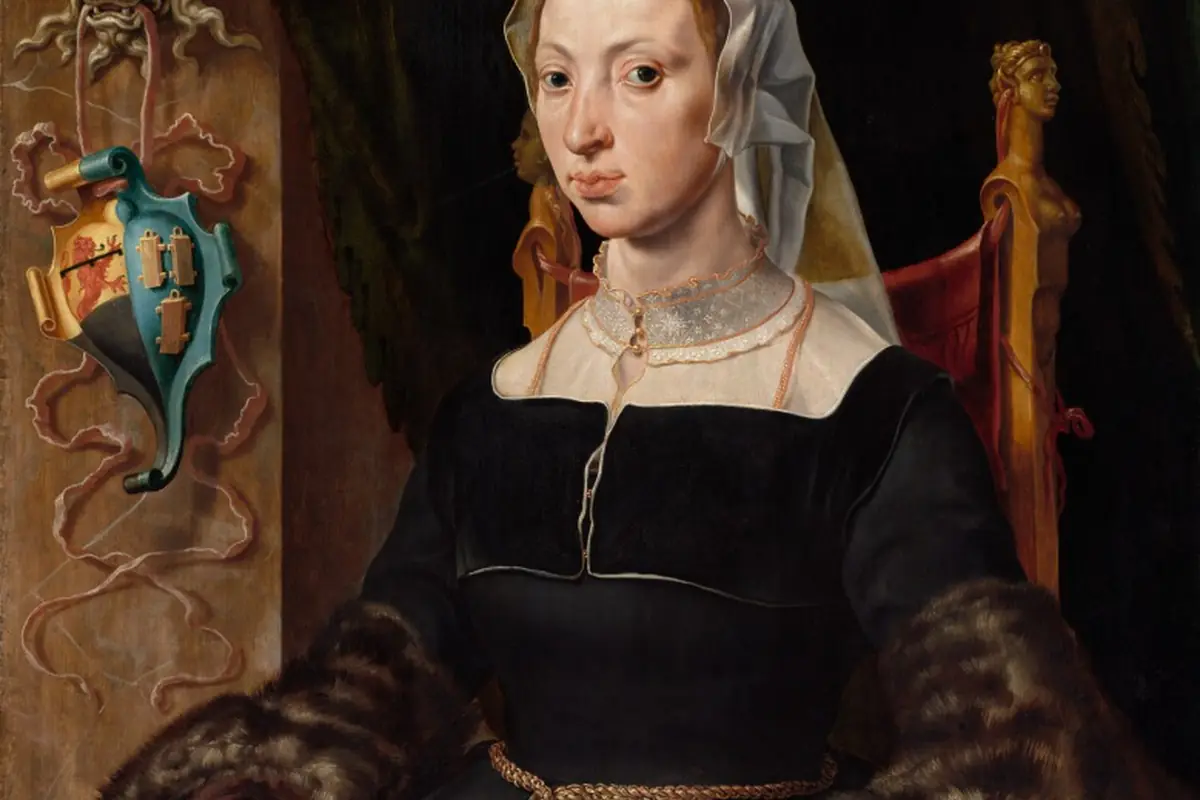
 Cleveland Museum of Art · CC0 1.0
A market of rarity
Old masters account for €5.7 billion in 2024. The median price, €18,500, is the highest in painting, but the market is narrow: less than 3% of old master paintings in circulation change hands each year.
The works in this segment date from before 1800. They are few in number, often in museums, and each available work receives particular attention.
The main issue is attribution: a painting "by Rembrandt" is worth a thousand times more than a painting "from Rembrandt's workshop".
Old masters in figures
Source: OIMAP Observatory.
Attribution, the crux of the matter
For old masters, the price gap between a secure attribution and a probable attribution can reach a factor of ten, even a hundred. The sale catalogue wording follows a precise scale: "Rembrandt" (autograph), "attributed to" (probable), "workshop of" (under the master's direction), "school of", "follower of", "after".
OIMAP applies the same scale in its certificates. The expert's opinion states the wording retained, the reasons and the degree of certainty. A certificate favourable at the first levels requires a material examination, a comparative analysis and archival research.
Provenance and restitution
Old masters have often passed through several centuries, wars and revolutions. Their provenance is therefore complex, with frequent gaps. The years 1933 to 1945 call for particular vigilance, because many works were looted.
Before any sale, the BIOP database is consulted. Works whose provenance has gaps between 1933 and 1945 undergo in-depth research and specific publication.
Restorations and condition
Almost all old masters have been restored, sometimes several times. The issue is not the absence of restoration, but its nature and its documentation. An old relining, a careful cleaning or a changed varnish are common and barely penalising; extensive overpainting or excessive cleaning greatly reduce value.
The conservation report precisely describes the condition of the paint layer and the retouched areas. It is the tool for dialogue between seller, buyer and insurer.
Scale of attribution wording
| Wording | Meaning | Effect on price |
|---|---|---|
| Name of the master | Autograph | Reference price |
| Attributed to | Probably by the master | 30 to 50% |
| Workshop of | Made in the workshop | 10 to 20% |
| School of | Same school, close period | 5 to 10% |
| Follower of | Imitates the style | 2 to 5% |
| After | Copy | 1 to 2% |
Landmarks
- First laboratories
Scientific analysis of pigments.
- Dendrochronology
Dating of panel wood.
- BIOP database
Control of provenance.
- €5.7bn
Stable market.
Gaps in provenance
Museum work or market work
Work already exhibited
Public provenance- Known history
- Attribution publicly debated
- Supported price
Less risk.
Rediscovered work
Coming out of a private collection- Attribution to be established
- Provenance to reconstruct
- Potential for capital gain
More risk and opportunity.
Having an old painting attributed
- Examine
Visual and material examination.
- Analyse
Imaging, pigments, wood.
- Compare
Autograph works, catalogues.
- Draft
Reasoned opinion of the expert.
- Decide
Committee opinion.
Before buying an old master
An art historian
« An old master is an investigation. The price follows what the investigation allows one to affirm. »
Vocabulary
- Panel
- Support made of painted wood.
- Dendrochronology
- Dating by tree rings.
- Workshop
- Team of a master's collaborators.
- Looting
- Illegitimate dispossession of property.
Frequently asked questions
What is dendrochronology?
A method of dating the wood of panels by analysis of tree rings.
How should "attributed to" be read?
As a probable attribution, not confirmed.
What should be done if a painting has been looted?
See the Protection section.
Where can I read the scale?
In the certification of authenticity.
Useful documents
Contacts
Related pages
 PaintingThe painting market: old masters, the 19th century and the modern period, with their prices, players and precautions.›
 19th centuryThe 19th-century painting market: romanticism, realism, impressionism, prices and collectors' tastes.›
 BIOP databaseThe international database of protected works: 48,200 stolen, lost or suspect works, searchable by all and enriched by police forces and museums.›
Move on to the 19th century
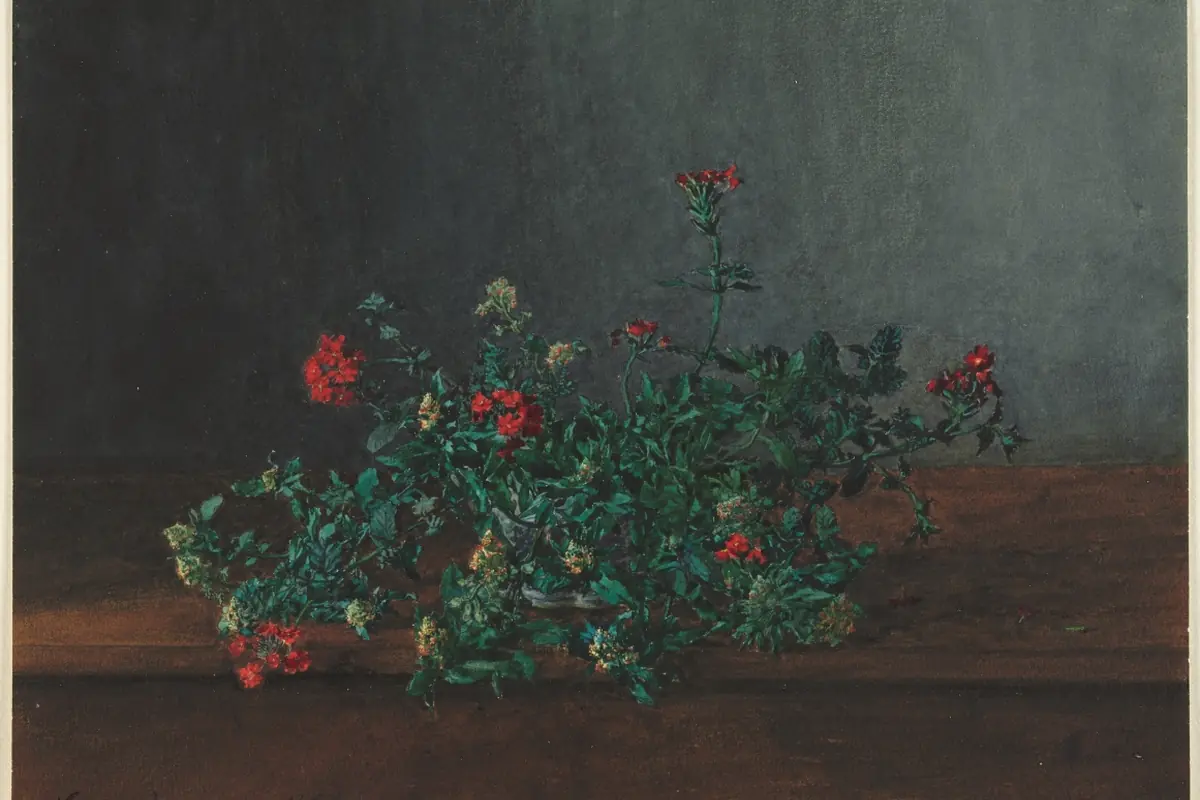
Image credits (16)
- Portrait of Machtelt Suijs, Maerten van Heemskerck (c. 1540–45) — Cleveland Museum of Art, CC0 1.0
- River Landscape with Large Tree at Left, Augustin Hirschvogel (1546) — Cleveland Museum of Art, CC0 1.0
- Study for "A Sunday on La Grande Jatte", Georges Seurat (1884) — The Metropolitan Museum of Art, CC0 1.0
- Portrait Bust of a Man (27 BCE–14 CE) — Cleveland Museum of Art, CC0 1.0
- Banks of the Oise at Dawn, Louis Hayet (1888) — Cleveland Museum of Art, CC0 1.0
- Wineglass and a Bowl of Fruit, Willem Kalf (1663) — Cleveland Museum of Art, CC0 1.0
- Saint Mary Magdalen, Simon Vouet (c. 1630) — Cleveland Museum of Art, CC0 1.0
- The Kiss of Peace and Justice, Laurent de La Hyre (1654) — Cleveland Museum of Art, CC0 1.0
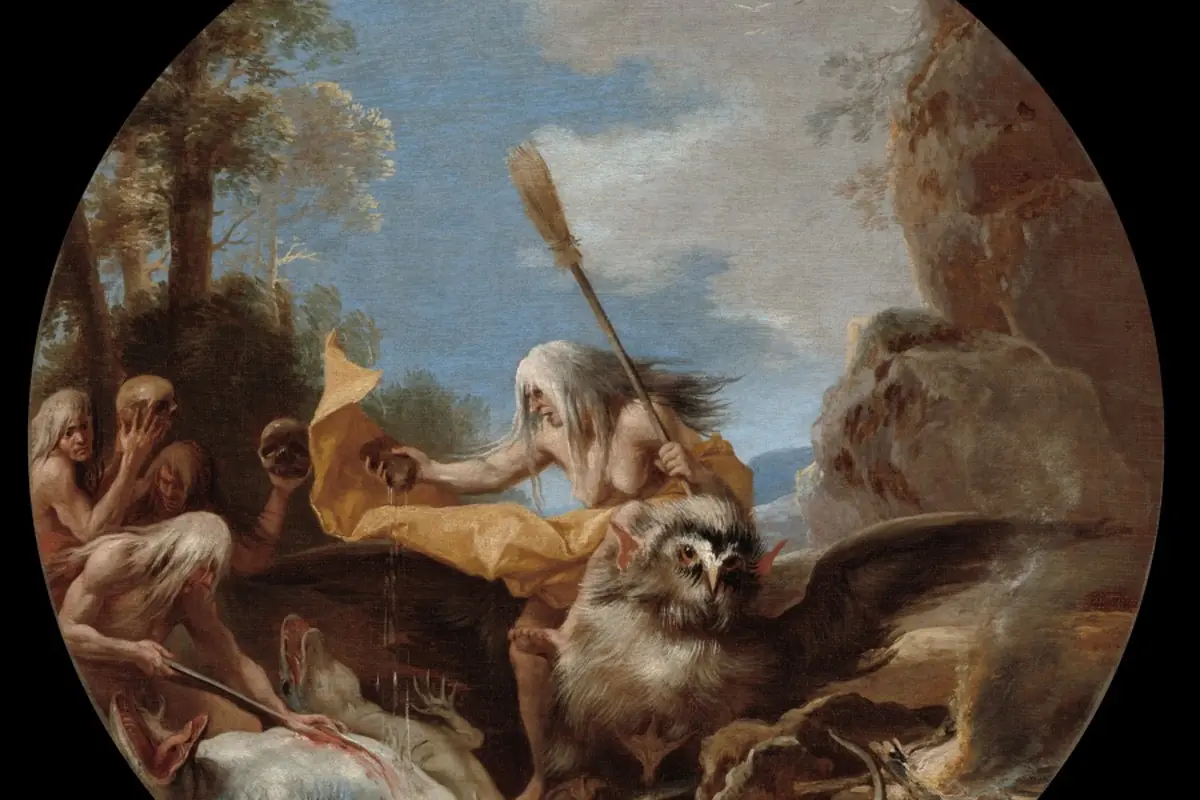
- Scenes of Witchcraft: Day, Salvator Rosa (c. 1645–49) — Cleveland Museum of Art, CC0 1.0
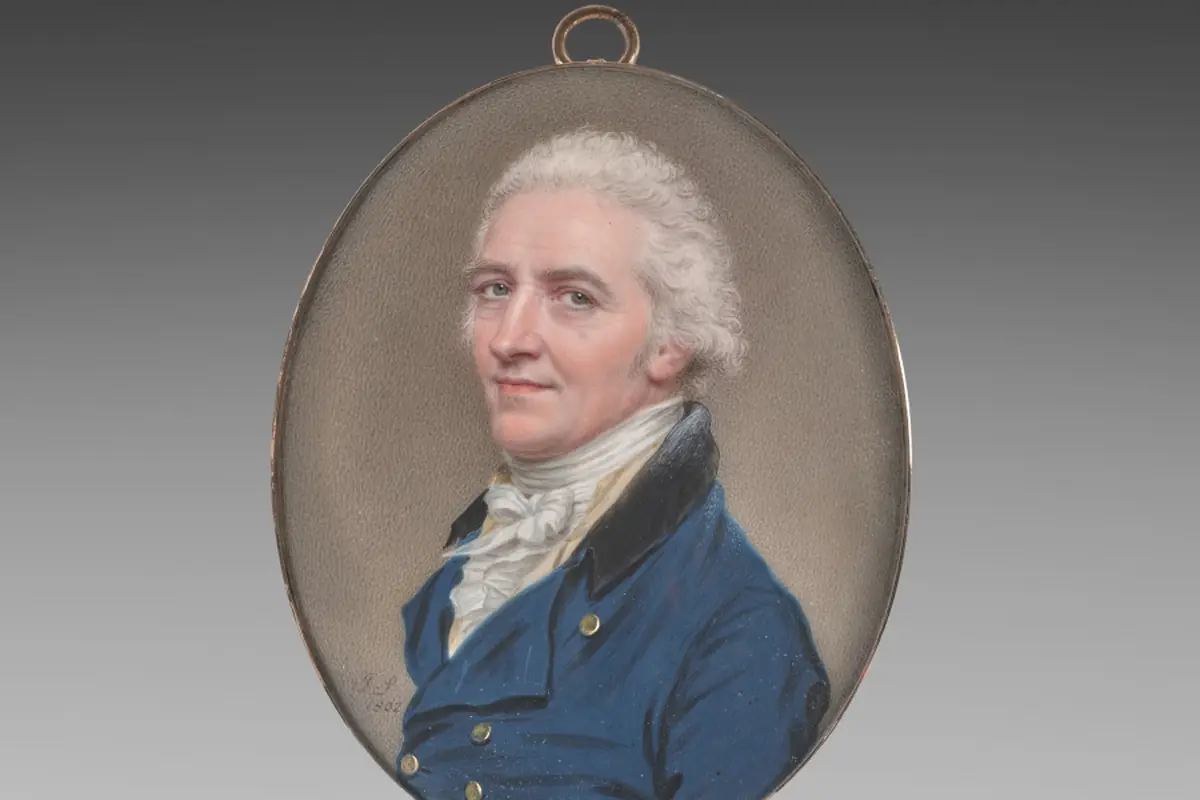
- Self-Portrait, John I Smart (1802) — Cleveland Museum of Art, CC0 1.0
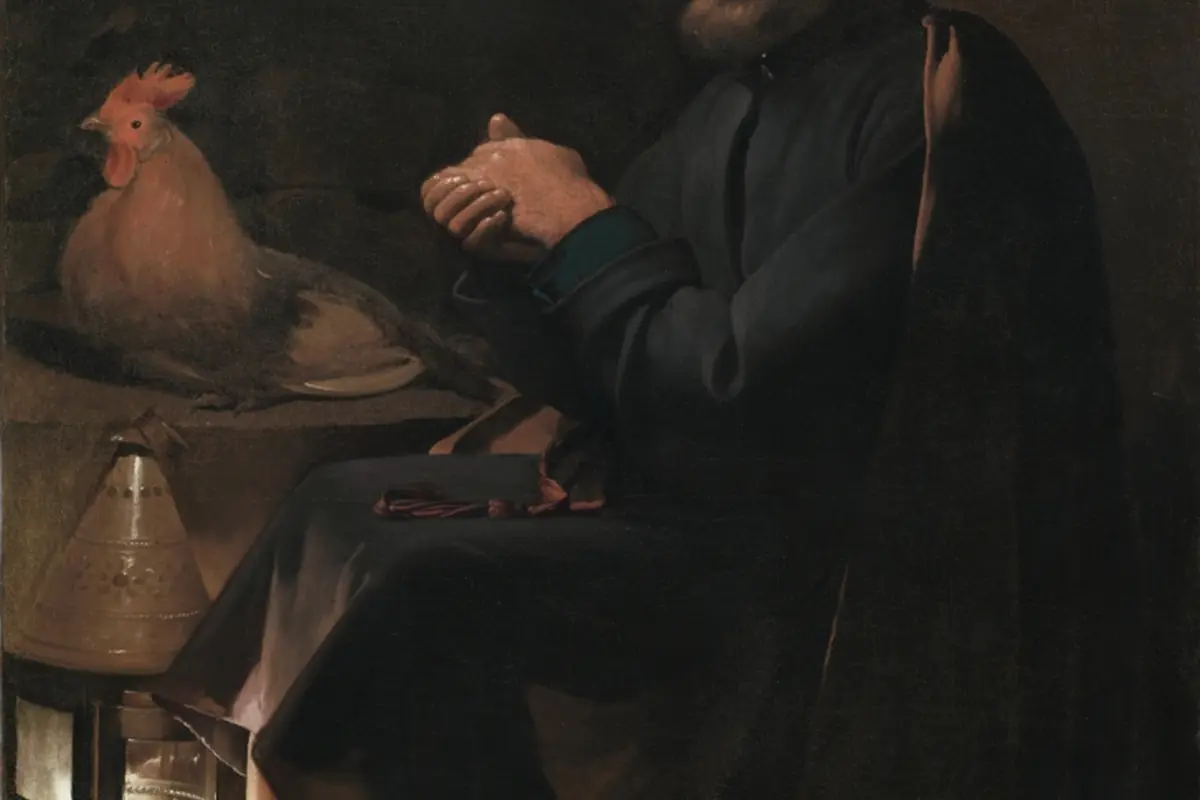
- Saint Peter Repentant, Georges de La Tour (1645) — Cleveland Museum of Art, CC0 1.0
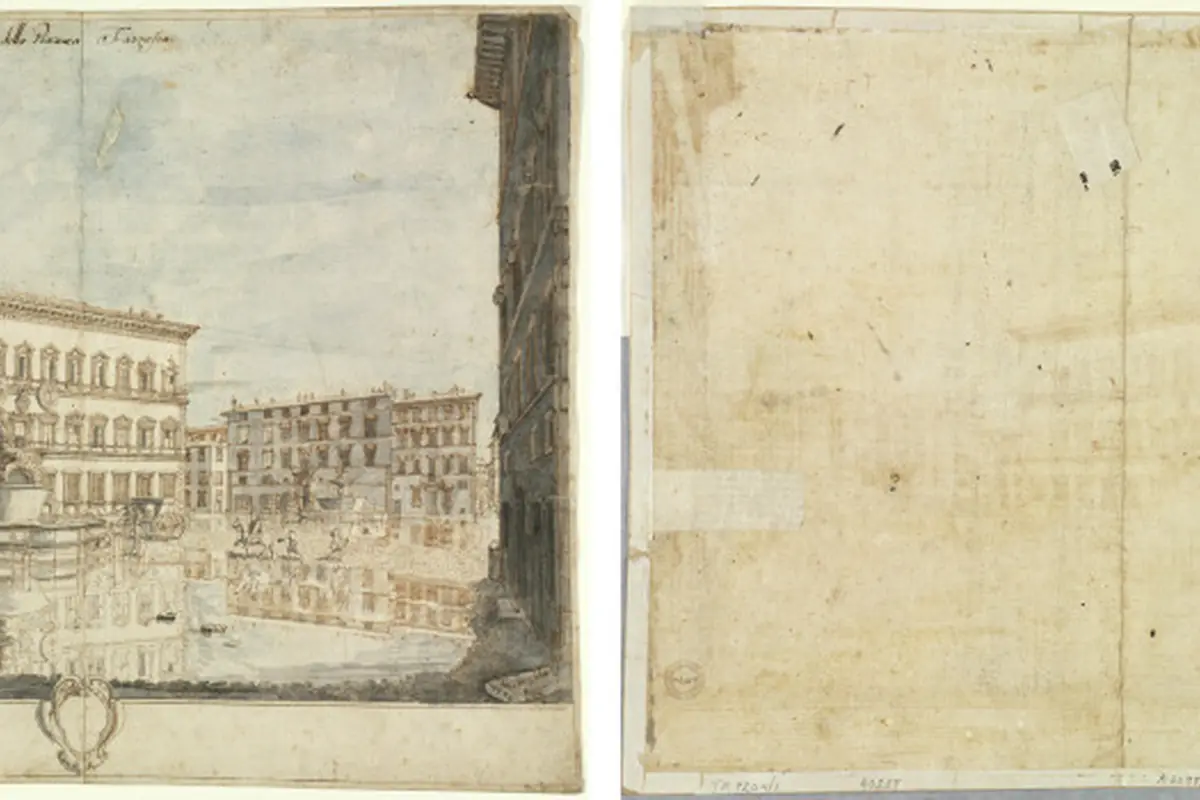
- Eighteen Views of Rome: The Piazza Farnese (recto); Cartouche (verso), Lievin Cruyl (1664) — Cleveland Museum of Art, CC0 1.0
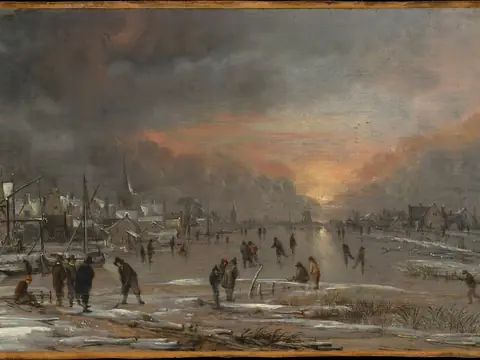
- Sports on a Frozen River, Aert van der Neer (ca. 1660) — The Metropolitan Museum of Art, CC0 1.0
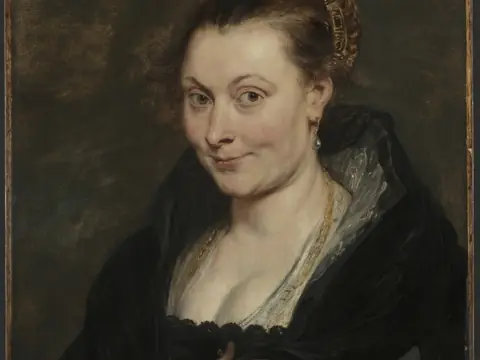
- Portrait of Isabella Brant, Peter Paul Rubens (c. 1620–25) — Cleveland Museum of Art, CC0 1.0
- Seal with Two Qilin Playing (1849) — Cleveland Museum of Art, CC0 1.0
- Still Life with Wild Flowers, Léon Bonvin (1864) — Cleveland Museum of Art, CC0 1.0