
 Cleveland Museum of Art · CC0 1.0
Observe, regulate, protect
OIMAP is the international organization responsible for making the art and heritage market more transparent, safer and more respectful of communities of origin. It has brought together 67 Member States since its founding by 23 pioneering countries.
For the full texts, see the About section. This page gives the short version for the general public.
Who we are at a glance
Source: OIMAP General Secretariat.
Our mission
We help States, professionals and collectors share rules and tools so that trade in works and cultural property remains legal and traceable. Our mandate comprises six complementary missions.
We do not replace judges or national police forces. We provide them with data, standards and certification and mediation services.
Our values
Five values guide our work: integrity, scientific independence, cooperation, transparency and respect for communities of origin. They apply to our staff and our experts alike, through a common code of conduct.
Transparency means publishing our figures and procedures, and making it possible to verify online a document issued by the Organization.
Our members
The 67 Member States decide together in the General Assembly. The twenty-three founding States of 2007 have been joined by States from every continent, from the Pacific to West Africa.
Each member designates a focal point, applies the binding directives and pays an annual contribution. The membership procedures are described in the Member States section.
Our governance
The General Assembly sets the guidelines. The Executive Council, with fifteen members, prepares and monitors decisions. The Secretary-General heads the Secretariat, which implements and reports.
Five standing committees examine technical questions, from finance to cooperation and training. This organization is detailed in the organization chart.
Our audiences and services
| Audience | Need | Main service |
|---|---|---|
| Collectors | Securing a purchase | BIOP check, certificate |
| Professionals | Documenting sales | Sales approval, label |
| Museums | Checking a provenance | Provenance report |
| States | Applying standards | Directives, coordinated operations |
| Public officials | Training | OIMAP Academy |
Milestones
- Foundation
Twenty-three States create the Organisation.
- Academy
Creation of the OIMAP Academy.
- BIOP
Opening of the stolen works database.
- 67 States
Twenty-three coordinated operations.
Organization and national administration
OIMAP
Organization of States- Common framework
- Technical services
- Mediation
Support to States.
National administration
Sovereign authority- Applies national law
- Prosecutes offences
- Designates the focal point
Power of enforcement.
Contact us
- Identify the subject
Collection, certification, press, membership.
- Choose the channel
Form or email.
- Prepare the documents
Attach the relevant supporting documents.
- Follow the response
The Secretariat directs and replies.
What sets us apart
A museum curator
« The Organization has the advantage of speaking to everyone: to States, to professionals and to institutions like ours. »
Glossary
- Mandate
- All the missions entrusted to the Organization.
- Community of origin
- Group from which a cultural property originates.
- Guideline
- Standard adopted by the Organization.
- BIOP
- Database of stolen or lost works.
What we do for you
For a collector, we offer document verification, the database of stolen works and the charter of good practice. For a professional, certificates, approvals and training. For a State, directives, coordinated operations and technical assistance.
The online services are grouped in the OIMAP Desk.
Frequently asked questions
Who funds OIMAP?
Contributions from Member States and revenue from services.
Can the headquarters be visited?
Visits are organized on request, through the Secretariat.
How many staff?
The Secretariat comprises several directorates spread across five sites.
Where can I read the detailed organization?
See Organisation chart.
Useful documents
Contacts
Related pages
 About OIMAPWho OIMAP is, how it is organized and what it has achieved: an overview for the general public.›
 OIMAP organization chartThe decision-making bodies, the directorates of the General Secretariat and the regional offices, presented step by step.›
 History of OIMAP since 2007Nineteen years of history: from the signing of the treaty by twenty-three States to the 19th General Assembly in Singapore.›
 AboutMission, governance, General Secretariat, offices, partners, finances, careers, ethics, transparency, legal notices and site map.›
 Member States67 Member States on five continents: list, regions, membership, focal points, finances, expert network, technical cooperation and member area.›
View the organizational chart
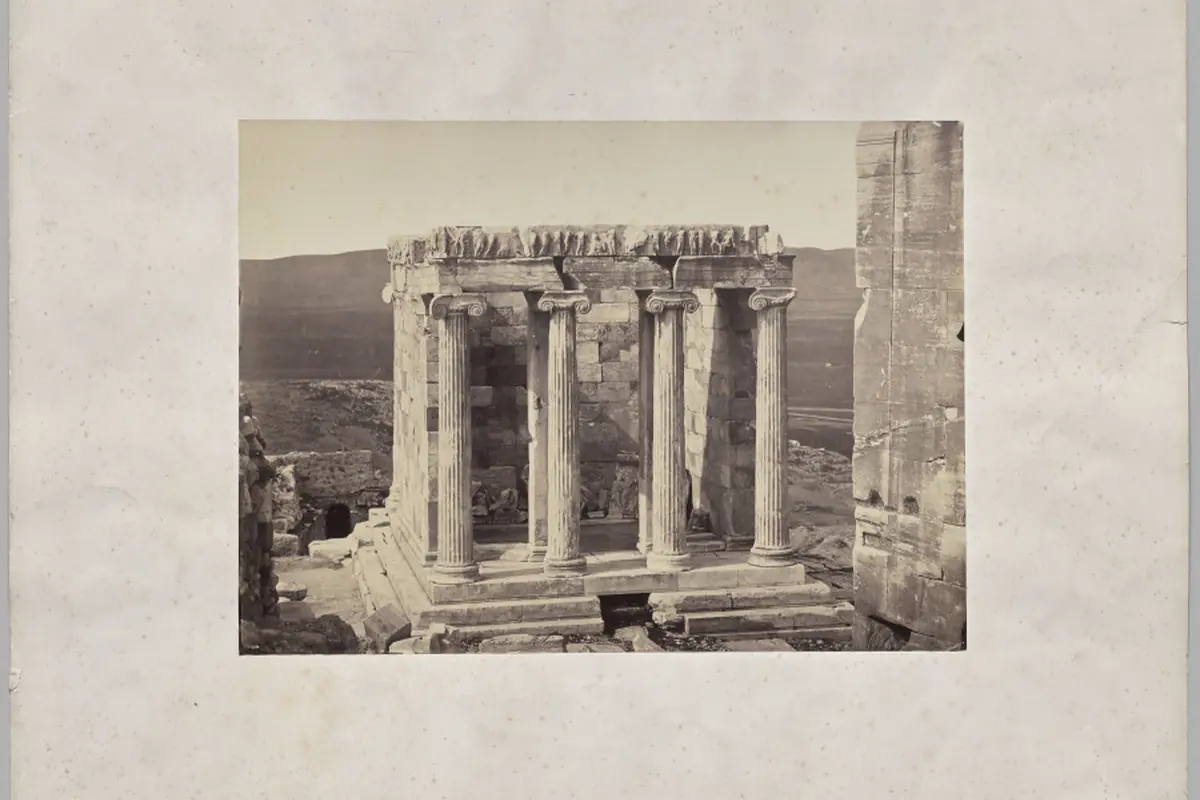
Image credits (18)
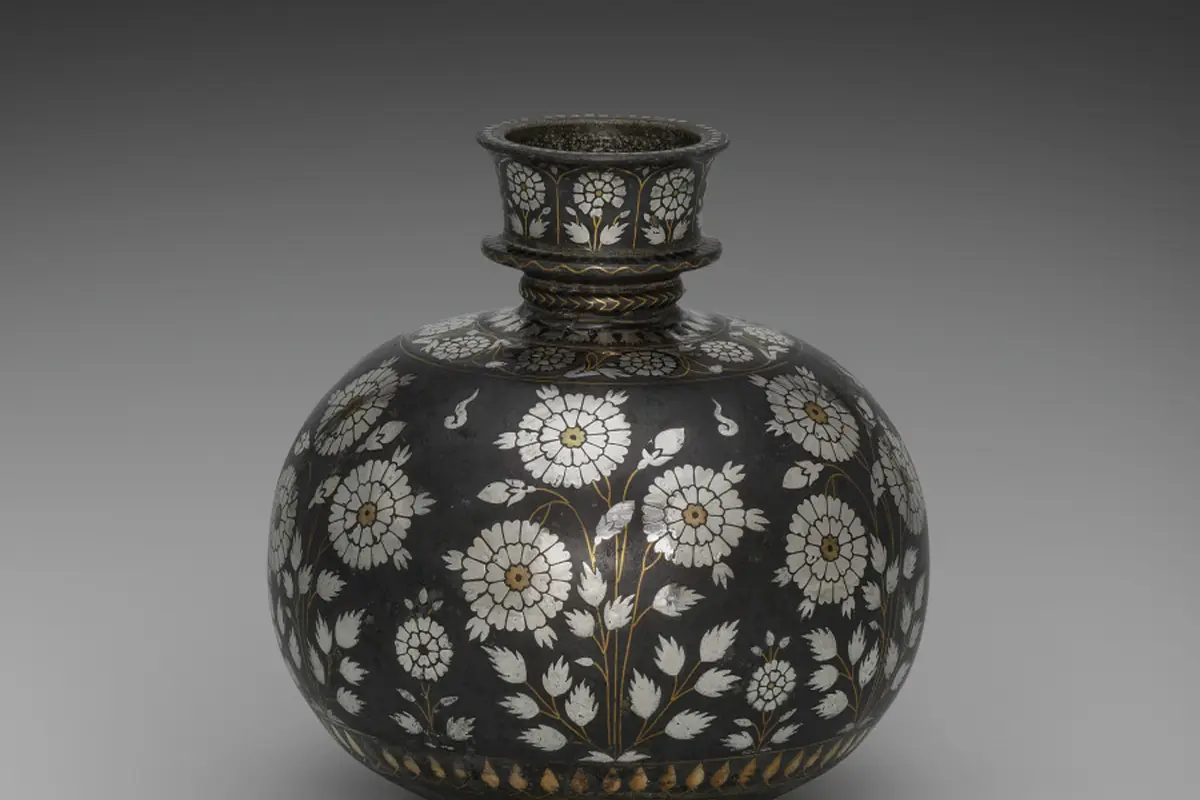
- Bidri Hookah Bowl with Roses (c. 1650s) — Cleveland Museum of Art, CC0 1.0
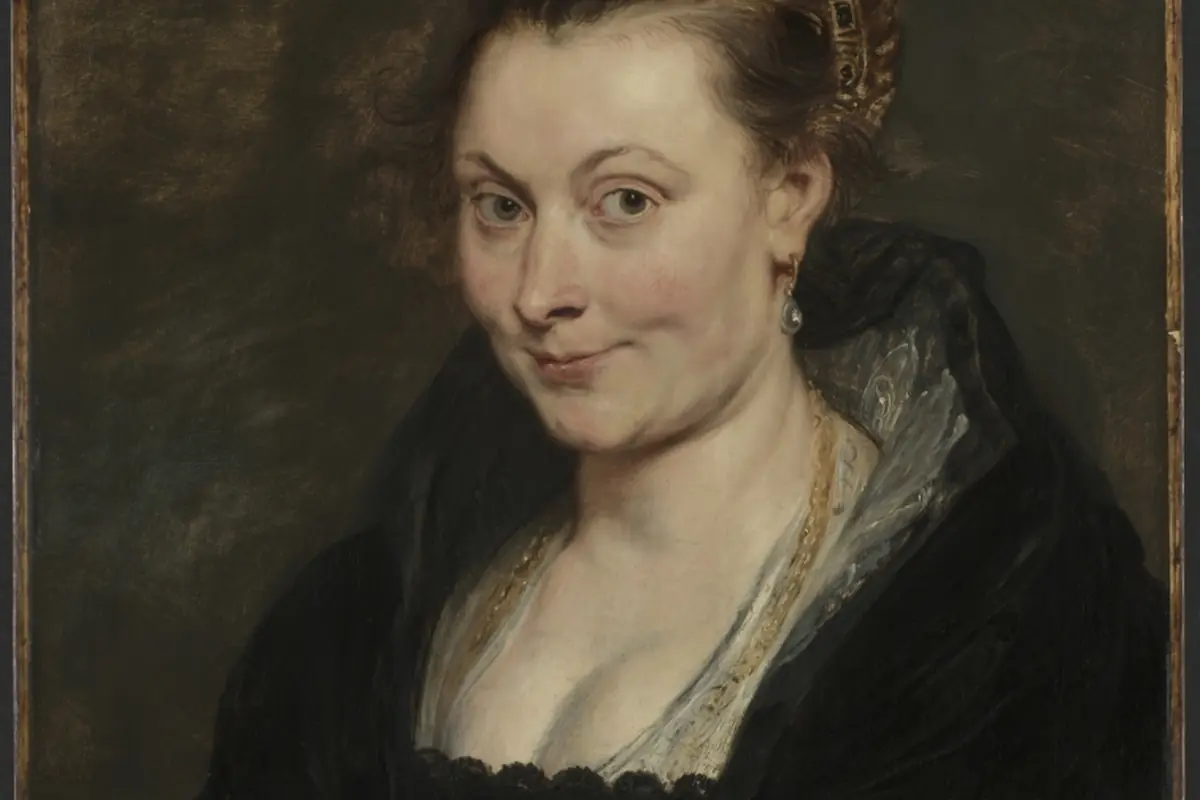
- Portrait of Isabella Brant, Peter Paul Rubens (c. 1620–25) — Cleveland Museum of Art, CC0 1.0
- Lace Towel End (c. 1700s–1800s) — Cleveland Museum of Art, CC0 1.0
- Christ in the Garden of Gethsemane, Hans Daucher (1500s) — Cleveland Museum of Art, CC0 1.0
- Saint Jerome and the Lion (From the former Church of St. Peter in Erfurt), Tilman Riemenschneider (c. 1495) — Cleveland Museum of Art, CC0 1.0
- Châteauvieux-sur-Suran, Antoine-Claude Ponthus-Cinier (1848) — Cleveland Museum of Art, CC0 1.0
- Farmhouse on the Slope of a Hill, Fra Bartolommeo (c. 1508) — Cleveland Museum of Art, CC0 1.0
- The Departure of Saints Paula and Eustochium for the Holy Land, Giuseppe Bottani — The Metropolitan Museum of Art, CC0 1.0
- Gathering among the Members of Office Censor-General (1700s) — Cleveland Museum of Art, CC0 1.0
- Head of a Woman (400–200 BCE) — Cleveland Museum of Art, CC0 1.0
- The Four Seasons, Kano Tan’yū (1668) — Cleveland Museum of Art, CC0 1.0
- Small Mosque in the Kaiserbagh, Felice A. Beato (1858) — Cleveland Museum of Art, CC0 1.0
- Portrait of a Man, Gustave Caillebotte (1880) — Cleveland Museum of Art, CC0 1.0
- Interior Drawer for Cabinet, André-Charles Boulle (c. 1690) — Cleveland Museum of Art, CC0 1.0
- Leaf from a Psalter and Prayerbook: Calendar Page with Labors (recto) and Calendar Page with Peasant (verso) (c. 1524) — Cleveland Museum of Art, CC0 1.0
- The Grotto of Posillipo, Hubert Robert (c. 1769) — Cleveland Museum of Art, CC0 1.0
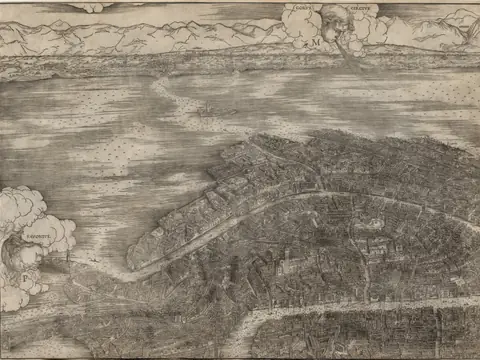
- View of Venice, Jacopo de' Barbari (1500) — Cleveland Museum of Art, CC0 1.0
- Temple of Athene Nike. Venus Victrix—Wingless Victory, Dimitrios Constantin (c. 1850s–60s) — Cleveland Museum of Art, CC0 1.0