
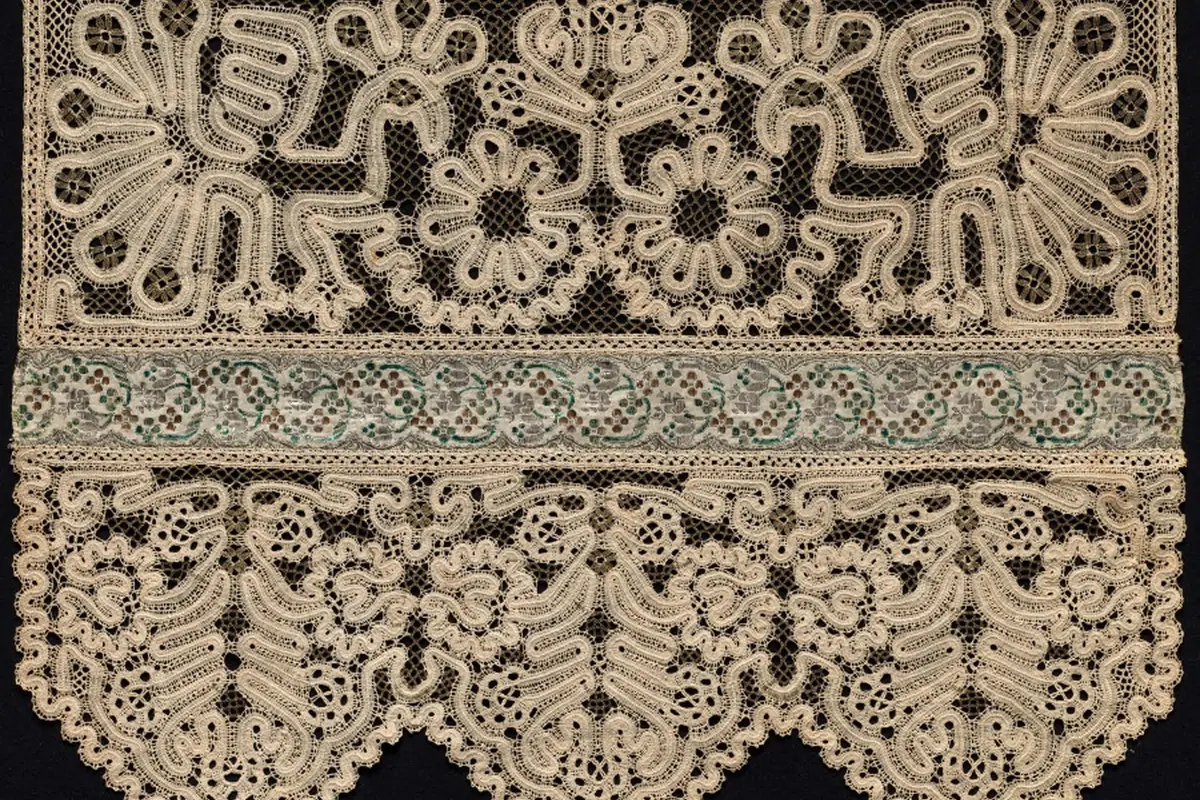
 Cleveland Museum of Art · CC0 1.0
Attesting to secure
Certifying means issuing reliable documents on the identity, origin and condition of a work. These documents reassure buyers, make insurance easier and speed up customs formalities.
The services are accessible through the OIMAP Desk; the Certification section details the procedures.
Certify: certificates and artwork passports in figures
Source: OIMAP General Secretariat.
The documents issued
The Desk issues several documents: certificate of authenticity, certificate of provenance, title of ownership, condition report and digital certification. Each answers a distinct question: is the work what it is said to be, where does it come from, who owns it, what condition is it in.
The OIMAP number, in the format OIMAP-AAAA-NNNNNN, links all these documents to a single work and serves as the unique reference.
Accredited experts
Opinions are given by accredited experts, numbering 360. Each expert declares their interests and recuses themselves in case of conflict. Conclusions must be reasoned and based on recognised methods.
Directive No. 2019-07 governs these opinions: methods, evidence and level of certainty must be made explicit.
Indicative timelines
Timelines vary by service: ten days to register a work and obtain an OIMAP number, four to eight weeks for authenticity, three to six weeks for provenance, seven days for digital certification.
These timelines run from the submission of a complete file. An incomplete file is returned with the list of missing items.
Verify a document
Any certificate can be verified online, by its OIMAP number or by the QR code printed on the document. The response is immediate and indicates whether the document is valid, revoked or unknown.
See the Verify a document pages for details, and the page on reporting a fake in case of doubt.
Certification services
| Service | Timeframe | Document |
|---|---|---|
| Registration | 10 days | OIMAP number and passport |
| Authenticity | 4–8 weeks | Certificate of authenticity |
| Provenance | 3–6 weeks | Provenance certificate |
| Title of ownership | 15 days | Title of ownership |
| Digital certification | 7 days | Digital certificate |
Milestones
- Opening of the Desk
First certificates issued.
- Certification Guidelines
Common framework of procedures.
- Digital certification
Documents verifiable online.
- 12,847 certifications
Cumulative total.
Authentic does not mean risk-free
Paper or digital certificate
Paper certificate
Signed document- Printed QR code
- Physical preservation
- Delivered by post
Traditional use.
Digital certificate
Online document- Instant verification
- Updating possible
- Delivered in 7 days
Faster.
Obtaining a certificate
- Register the work
OIMAP number.
- Choose the service
Authenticity, provenance, etc.
- Submit the file
Documents and photographs.
- Receive the document
Verifiable by QR code.
Documents to prepare
A gallery owner
« The QR code on our certificates reassures foreign buyers, who can verify the document themselves. »
Glossary
- Authenticity
- Attribution of a work to its author, period or workshop.
- Provenance
- History of the successive owners of a work.
- Work passport
- Digital file bringing together the certificates.
- Revocation
- Cancellation of a certificate that has become invalid.
Why certify
A certificate reduces the risk of dispute, enhances the value of the work on resale and makes insurance easier. It also constitutes proof of good faith if provenance is challenged.
For a museum or public institution, certification is a tool for managing collections and preparing international loans.
Frequently asked questions
How much does a certificate cost?
See the indicative fees.
Can I track my file?
Yes, with the file number; see Track a file.
Is a certificate valid for life?
It remains valid as long as it has not been revoked.
Whom to contact in case of disagreement?
The General Secretariat, then the Arbitrate mission.
Useful documents
Contacts
Related pages
 CertificationAuthenticating, tracing and protecting a work: all the certificates, titles, licences and labels issued by OIMAP.›
 Online proceduresCreate an account, choose a service, submit a request and pay online.›
 Desk feesIndicative scale of OIMAP Desk services and conditions of the reduced rate.›
 Verify a documentCheck online the authenticity of an OIMAP certificate by its number or QR code, and report a fake.›
Online procedures
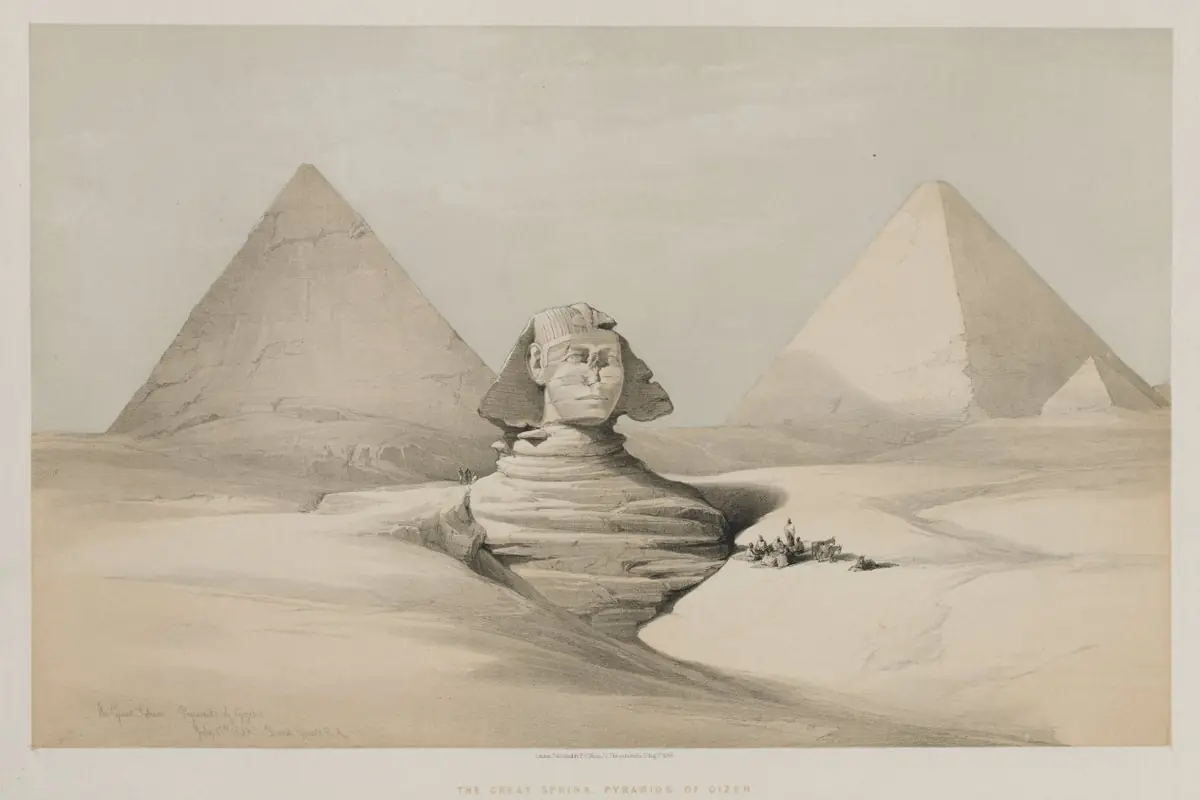
Image credits (17)
- Lace Towel End (c. 1700s–1800s) — Cleveland Museum of Art, CC0 1.0
- Marie-Yolande de Fitz-James, Henri Fantin-Latour (1867) — Cleveland Museum of Art, CC0 1.0
- Bidri Hookah Bowl with Roses (c. 1650s) — Cleveland Museum of Art, CC0 1.0
- Christ in the Garden of Gethsemane, Hans Daucher (1500s) — Cleveland Museum of Art, CC0 1.0
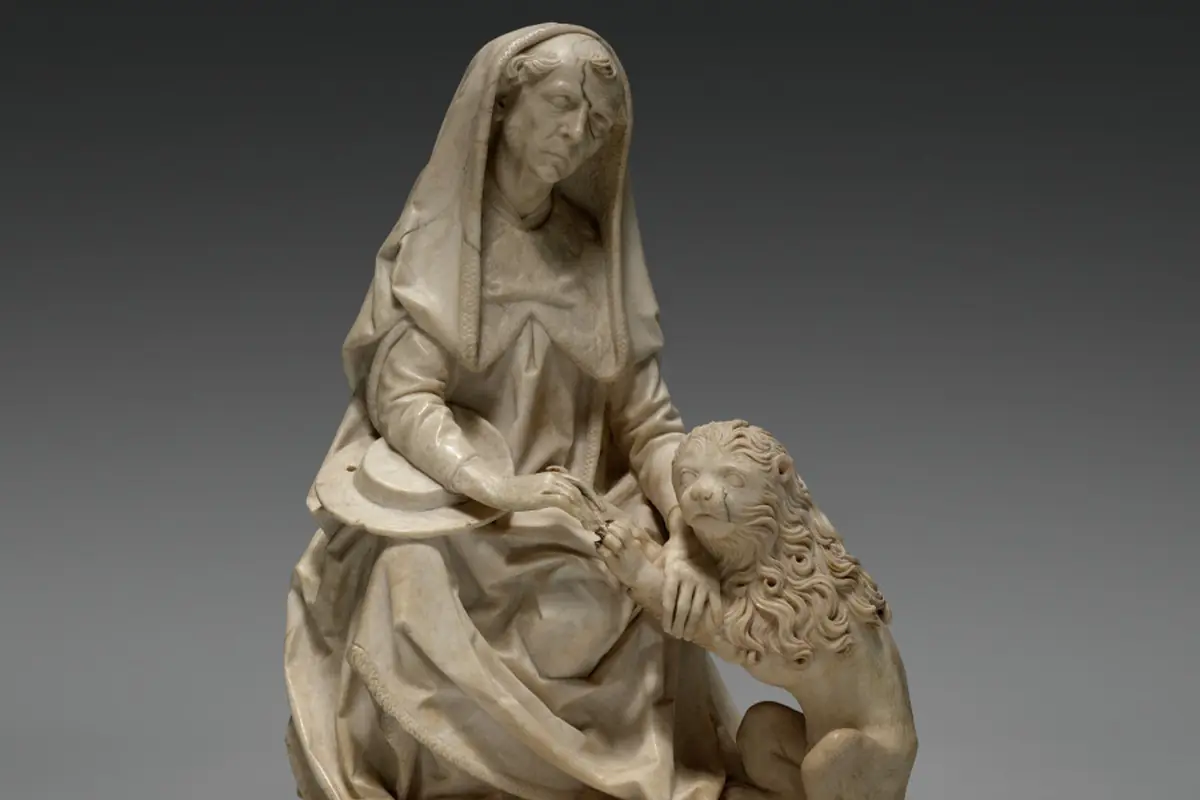
- Saint Jerome and the Lion (From the former Church of St. Peter in Erfurt), Tilman Riemenschneider (c. 1495) — Cleveland Museum of Art, CC0 1.0
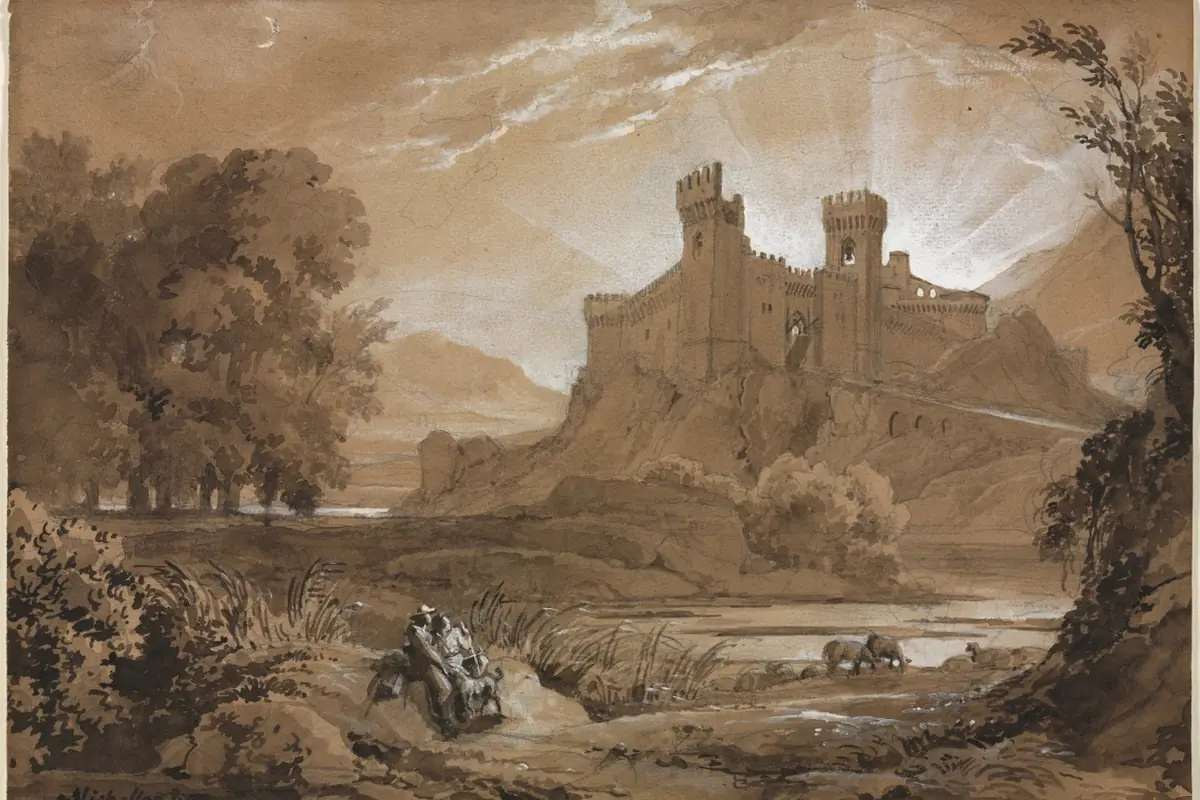
- Landscape with Castle and Shepherds, Achille Etna Michallon (1814) — Cleveland Museum of Art, CC0 1.0
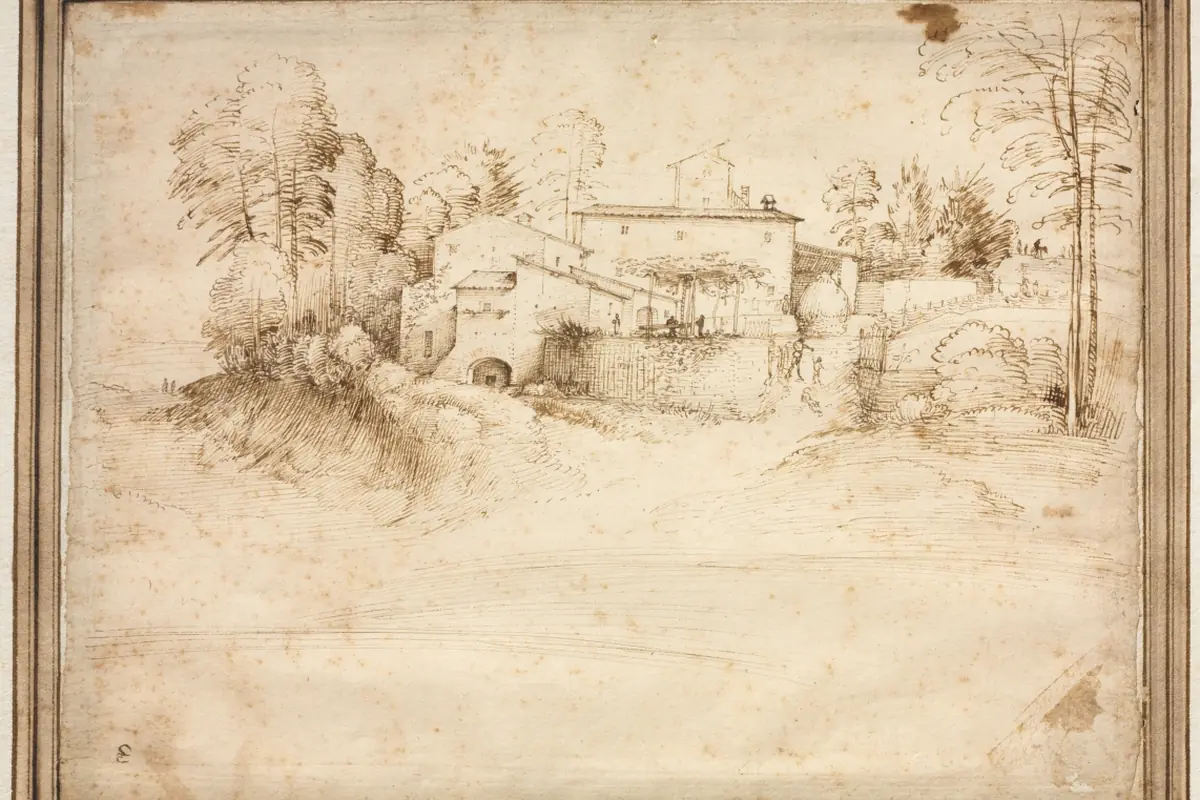
- Farmhouse on the Slope of a Hill, Fra Bartolommeo (c. 1508) — Cleveland Museum of Art, CC0 1.0
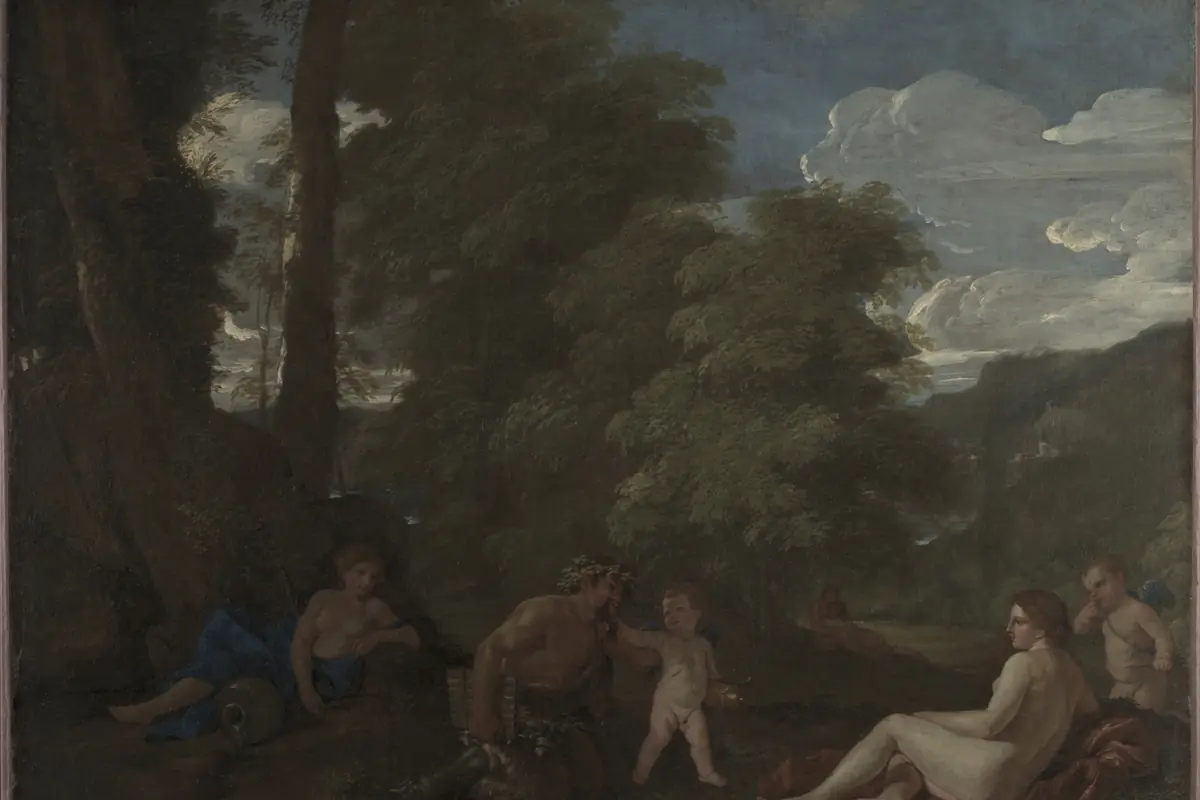
- Nymphs and a Satyr (Amor Vincit Omnia), Nicolas Poussin (c. 1625–27) — Cleveland Museum of Art, CC0 1.0
- Gathering among the Members of Office Censor-General (1700s) — Cleveland Museum of Art, CC0 1.0
- Head of a Woman (400–200 BCE) — Cleveland Museum of Art, CC0 1.0
- Portrait of a Man, Gustave Caillebotte (1880) — Cleveland Museum of Art, CC0 1.0
- Eighteen Views of Rome: The Piazza Farnese (recto); Cartouche (verso), Lievin Cruyl (1664) — Cleveland Museum of Art, CC0 1.0
- Plaque (1500s–1600s) — Cleveland Museum of Art, CC0 1.0
- Letter Box, Ogata Kōrin (1700s) — Cleveland Museum of Art, CC0 1.0
- Aureus: Bust of Claudius I (obverse); Triumphal Arch with Equestrian Statue and Trophies (reverse) (47–48 CE) — Cleveland Museum of Art, CC0 1.0
- Twilight in the Wilderness, Frederic Edwin Church (1860) — Cleveland Museum of Art, CC0 1.0
- Egypt and Nubia, Volume I: The Great Sphinx, Pyramids of Gezeeh, Louis Haghe (1846) — Cleveland Museum of Art, CC0 1.0