
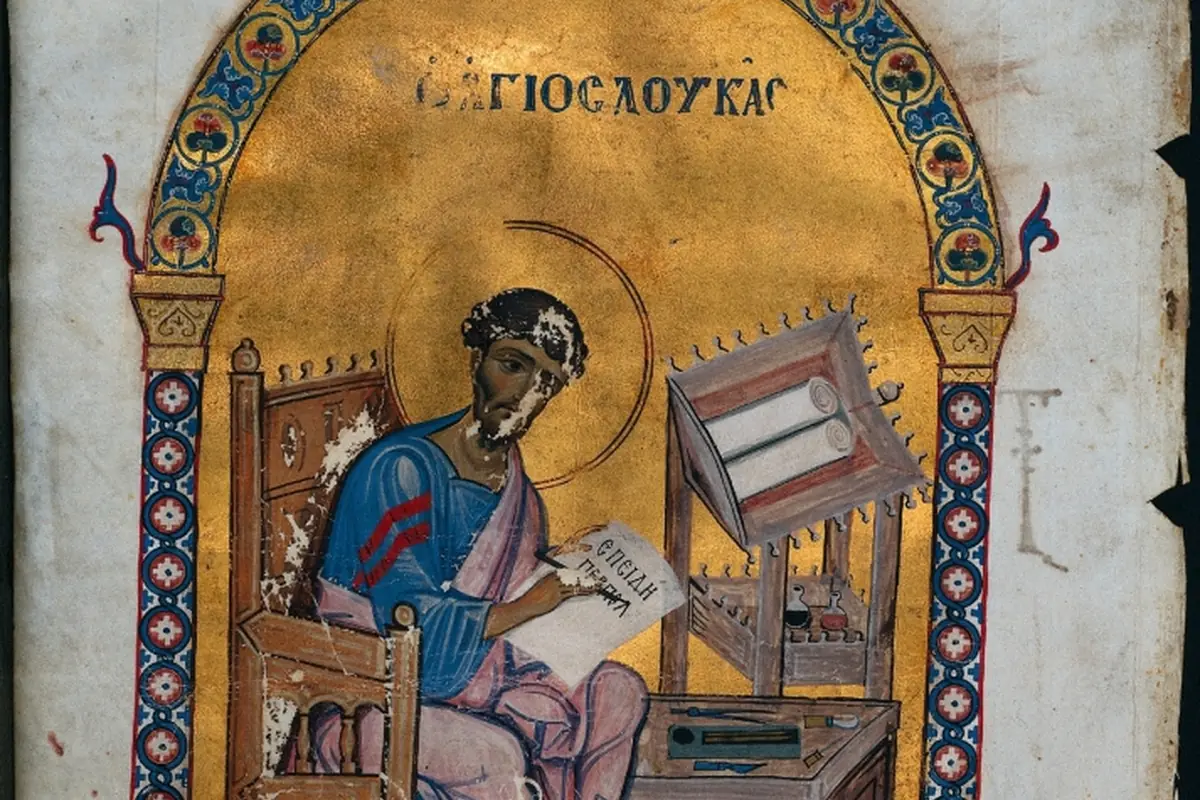
 Cleveland Museum of Art · CC0 1.0
A day to look differently
Each year, around 18 April, the International Day for Monuments and Sites, OIMAP and its Member States organise Heritage Day: open days, visits, exhibitions, conferences, workshops. The aim is to invite everyone to discover their heritage and to understand why it must be protected.
Launched in 2017, the Day is now followed in some forty States. It brings together museums, sites, local authorities, schools, associations and market operators.
This page presents the themes, the forms of events and how to take part.
Heritage Day in figures
Source: OIMAP Heritage Protection Department.
A theme each year
Each edition has a theme: "Objects and People" (2018), "Guardians of Memory" (2021), "From Site to Museum" (2023), "Ask where it comes from" (2024). The theme serves as a common thread for events, communication materials and teaching resources.
It is chosen by a committee of Member States, after consulting civil society. It highlights one aspect of heritage protection: provenance, youth, communities, digital, restitution.
Events for everyone
Museums organise guided visits, free evenings and presentations of restituted works. Archaeological sites open their excavation sites and restoration workshops. Schools put on exhibitions, performances, competitions.
Market operators open their salerooms and galleries, present their provenance practices and invite the public to ask questions. Customs and police services present their missions through exhibitions and presentations.
Organising an event
Any institution, association or local authority may organise an event and declare it on OIMAP's website. It receives a kit comprising the poster, the logo, suggested activities, a communication guide and a review questionnaire.
OIMAP puts organisers in touch: a museum may host facilitators from another region, a site may invite a speaker. The most innovative events receive a mention at the national ceremony.
An event that opens doors
Heritage Day succeeds first through its simplicity: one day, one theme, open doors. It reaches people who never enter a museum or a saleroom, and shows the human face of protection work.
Satisfaction surveys indicate that 82% of visitors leave with a better understanding of heritage, and 61% say they will be more attentive to the provenance of what they buy.
Forms of events
| Type | Audience | Example |
|---|---|---|
| Guided visit | General public | Tour of a museum |
| Workshop | Families and young people | Simulated excavation |
| Conference | Curious public | Debate on restitution |
| Exhibition | All audiences | Works recovered |
| Open day | All audiences | Saleroom |
Landmarks
- First Day
12 States.
- 30 States
Extension.
- Digital Day
Online events.
- 1,800 events
Record.
Declare your event
In-person or online event
In person
On site- Direct contact
- Immersion
- Requires staff
For institutions.
Online
Remote- Large audience
- Inexpensive
- Less interaction
To reach further.
Taking part in the Day
- Choose
Define an event.
- Declare
Register on the site.
- Prepare
Use the kit.
- Host
Welcome the public.
- Report back
Complete the review.
Ideas for activities
An organiser
« We opened our gallery, with the provenance sheets for each work. Visitors asked questions that we had never thought of. »
Vocabulary of the Day
- Heritage Day
- Annual awareness event.
- Communication kit
- Set of promotional materials.
- Common thread
- Guiding theme.
- Review
- Summary of results.
Frequently asked questions
When is the Day held?
Around 18 April.
Who can organise an event?
Any institution, association or local authority.
Is there a charge?
No.
Where can I find the kit?
On the site, after declaring the event.
Useful documents
Contacts
Related pages
 Awareness-raisingChanging perceptions: campaigns, educational resources and Heritage Day so that everyone understands what trafficking destroys.›
 Awareness campaignsOIMAP's major campaigns: themes, materials, audiences, results and evaluation method.›
 OIMAP CalendarThe Organisation's meetings: annual calendar, conferences and regional seminars.›
See the educational resources
Image credits (16)
- Leaf from a Lectionary with St. Luke (1057–1063) — Cleveland Museum of Art, CC0 1.0
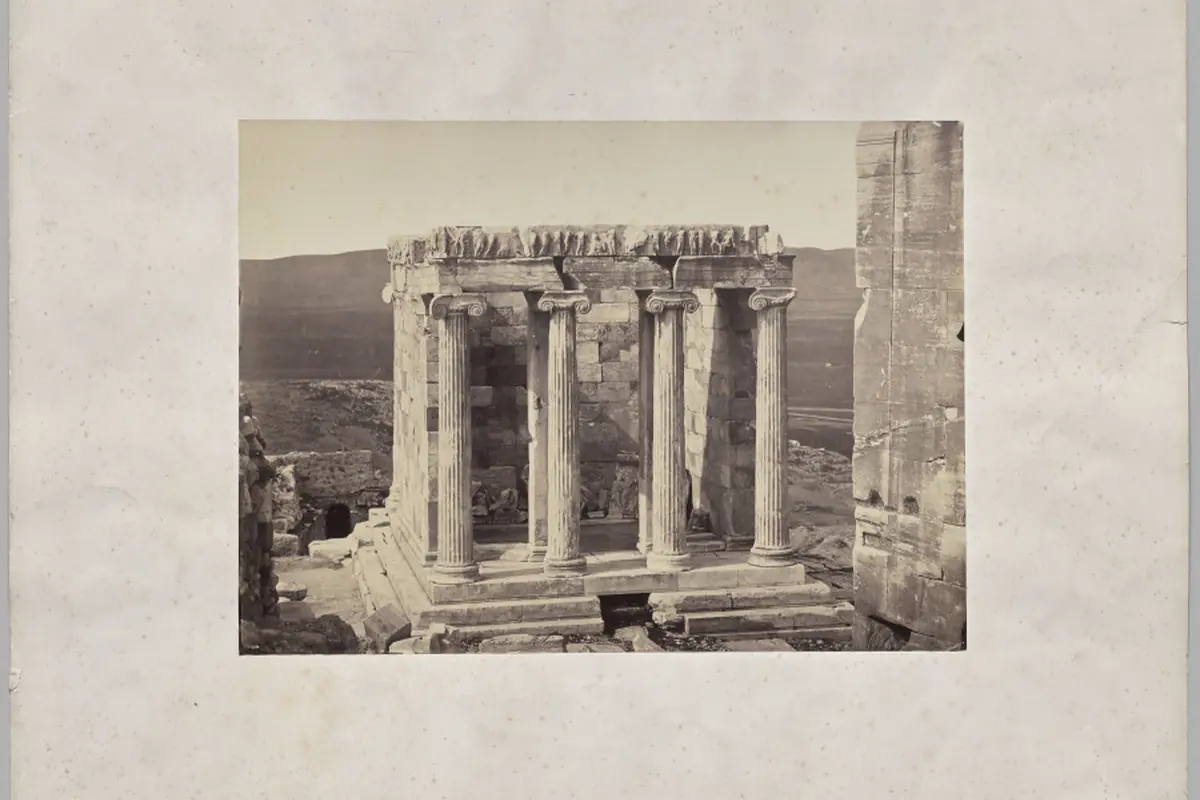
- Temple of Athene Nike. Venus Victrix—Wingless Victory, Dimitrios Constantin (c. 1850s–60s) — Cleveland Museum of Art, CC0 1.0
- Bookplate: Boylston Medical Library, George Girdler Smith (1806–39) — Cleveland Museum of Art, CC0 1.0
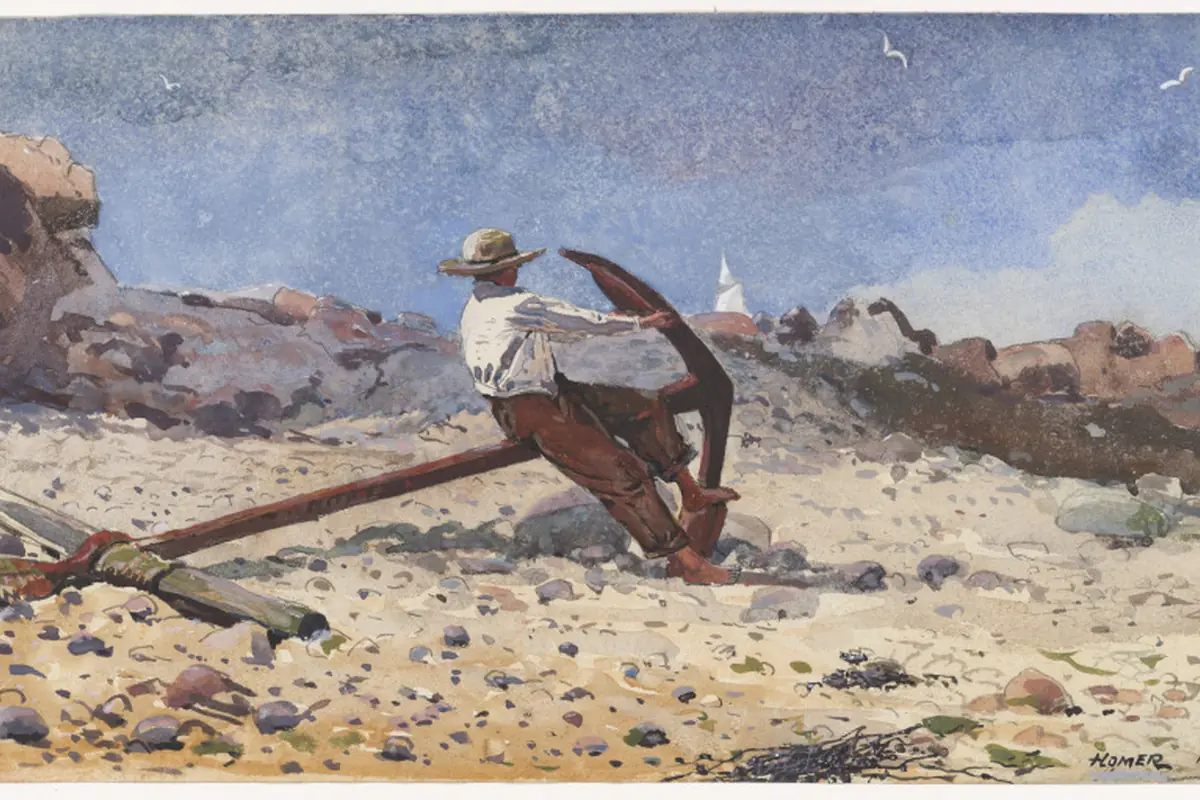
- Boy with Anchor, Winslow Homer (1873) — Cleveland Museum of Art, CC0 1.0
- A Lady Reading, Francis Seymour Haden (1833–1910) — Cleveland Museum of Art, CC0 1.0
- View of the Gulf of Pozzuoli from Solfatara, Philipp Hackert (1803) — Cleveland Museum of Art, CC0 1.0
- St. Anthony Reading, Albrecht Dürer (1519) — Cleveland Museum of Art, CC0 1.0
- Corner Cabinet, René Dubois (c. 1765–1770) — Cleveland Museum of Art, CC0 1.0
- Woman Sitting Reading , Georges Lemmen (1905) — Cleveland Museum of Art, CC0 1.0
- Châteauvieux-sur-Suran, Antoine-Claude Ponthus-Cinier (1848) — Cleveland Museum of Art, CC0 1.0
- High Class Students and Teachers at Bishop Cotton School, Shimla (verso), Raja Deen Dayal (c. 1882–87) — Cleveland Museum of Art, CC0 1.0
- Egypt and Nubia, Volume I: The Great Temple of Aboo-Simble, Nubia, Louis Haghe (1846) — Cleveland Museum of Art, CC0 1.0
- Temple at Naveshera, Kashmir, India, Samuel Bourne (1864) — Cleveland Museum of Art, CC0 1.0
- Landscape with Castle and Shepherds, Achille Etna Michallon (1814) — Cleveland Museum of Art, CC0 1.0
- Side Drawer for Cabinet, André-Charles Boulle (c. 1690) — Cleveland Museum of Art, CC0 1.0
- The birth of Rama and his brothers, from Chapter 17 of the Bala Kanda (Book of Childhood) of the Adhyatma Ramayana (Rama's Journey of the Su (c. 1820–30) — Cleveland Museum of Art, CC0 1.0