
 Cleveland Museum of Art · CC0 1.0
Four missions
The national focal point carries out four missions: relaying the Organisation's information, coordinating the departments of its country, representing the State at meetings and keeping national data up to date.
It is designated under the membership conditions and appears in the directory.
Focal point role in figures
Source: Member States Relations Directorate.
Relaying information
The Secretariat circulates notices, invitations, alerts and working documents. The focal point forwards them to the departments concerned: culture, customs, justice, police, finance. It ensures that everyone receives the relevant information in good time.
It also feeds back the questions and observations of its country.
Coordinating at national level
Cooperation cases often involve several administrations. The focal point brings the actors together, sets a national position and designates the experts who take part in working groups.
This coordination is essential for restitutions, joint operations and customs training programmes.
Representing the State
The focal point attends the annual plenary meetings and, in preparation for the General Assembly, transmits its country's positions. It may be a delegate to the Assembly with written powers.
It is also the contact for the regional offices in Paris, Geneva, New York, Singapore and Nairobi.
Keeping data up to date
Country profiles include the legal framework, market figures and contacts. The focal point checks this information every year and reports any legislative change.
It also updates its own record in the directory and that of its deputy.
Responsibilities and limits
| Area | The focal point may | It may not |
|---|---|---|
| Information | Relay and circulate | Publish confidential data |
| Cooperation | Propose and coordinate | Sign an agreement |
| Representation | Carry the national position | Commit the budget |
| Data | Update the records | Change the fee scales |
Milestones
- Designation
Letter from the minister.
- Induction
Induction session.
- First plenary
Participation.
- Review
Review of records.
Continuity of service
Focal point and national expert
Focal point
Institutional role- Represents the State
- Relays information
- One per country
Administrative interface.
National expert
Technical role- Works on one field
- Is accredited
- Several per country
Scientific contribution.
Carrying out the mission
- Keeping informed
Read the circulars.
- Circulate
Inform the departments.
- Coordinate
Bring the actors together.
- Respond
At the Secretariat.
- Update
The national data.
Responsibilities to keep in mind
A focal point from Latin America
« My mission is to get departments that rarely crossed paths to talk to one another; it is the finest achievement of these three years. »
Vocabulary
- Circular
- Official document sent to the States.
- National position
- Common opinion of a State's departments.
- Delegate
- Person mandated to vote.
- Country profile
- Profile of a Member State.
What the role is not
The focal point does not legally bind the State: only authorised officials sign agreements. Nor is it responsible for investigating legal cases or certifying works.
Its role is to facilitate, to put parties in touch and to ensure that information circulates.
Frequently Asked Questions
Does the focal point sign agreements?
No, only authorised officials do.
Can functions be combined?
Yes, with the State's agreement.
Whom to contact in case of doubt?
The Directorate's reference contact.
Who replaces the titular holder?
The deputy.
Useful Documents
Contacts
Related pages
 National Focal PointsA designated contact in each Member State: the directory, the role and the annual plenary meetings.›
 Focal points directoryContact details of the sixty-seven focal points, available to logged-in members, with their organisation and rules of use.›
 Focal point meetingsThe annual plenary and the regional meetings where focal points prepare the decisions of the General Assembly.›
 Country ProfilesOne profile per Member State: national legal framework, art market figures and focal point contacts.›
See the meetings
Image credits (17)
- Nuova pianta di Roma data in luce da Giambattista Nolli l’anno MDCCXLVII, known as La Pianta Grande di Roma, Giovanni Battista Nolli (1748) — Cleveland Museum of Art, CC0 1.0
- The Victory Banquet: from Battle Scenes of the Quelling of Rebellions in the Western Regions, with Imperial Poems (c. 1765–74; poem dated 1760) — Cleveland Museum of Art, CC0 1.0
- Nuova pianta di Roma data in luce da Giambattista Nolli l’anno MDCCXLVII, known as La Pianta Grande di Roma, Giovanni Battista Nolli (1748) — Cleveland Museum of Art, CC0 1.0
- Sandal (mtalawanda / mtawanda) or Clog (kiatu cha mti) (c 1800s) — Cleveland Museum of Art, CC0 1.0
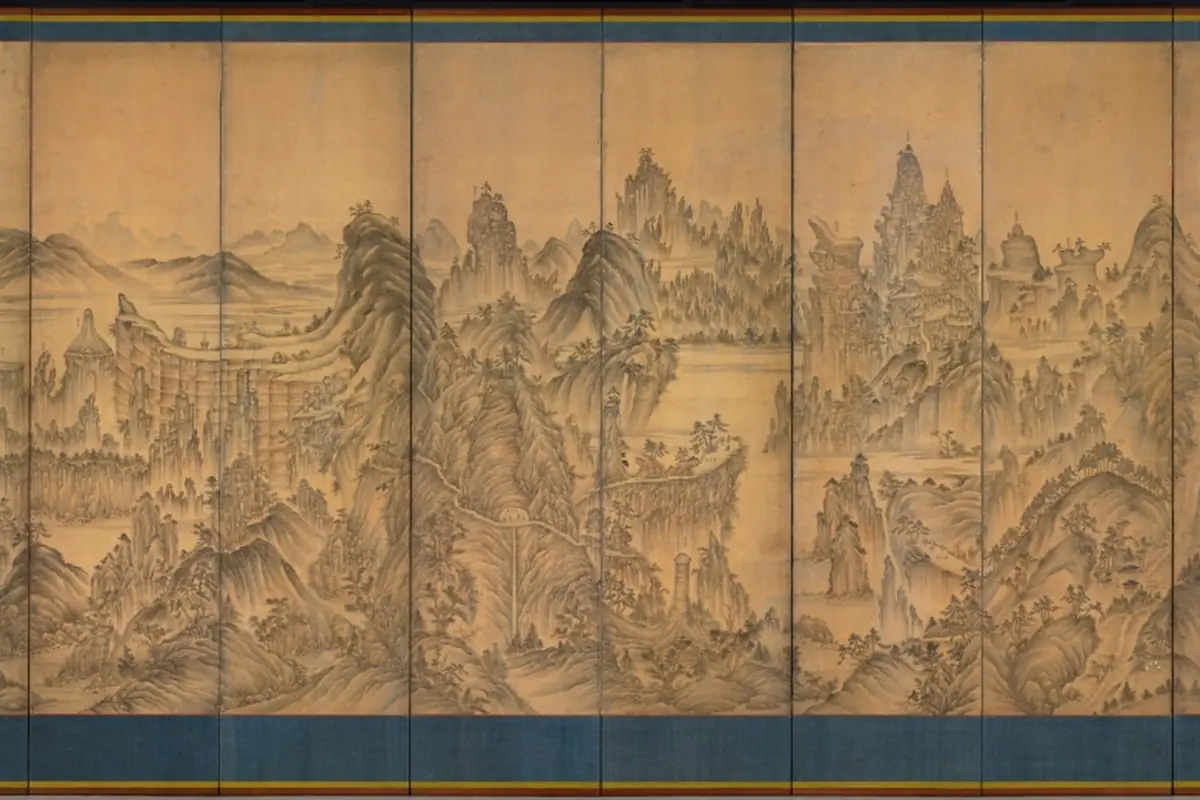
- Seven Jeweled Mountain (late 1800s) — Cleveland Museum of Art, CC0 1.0
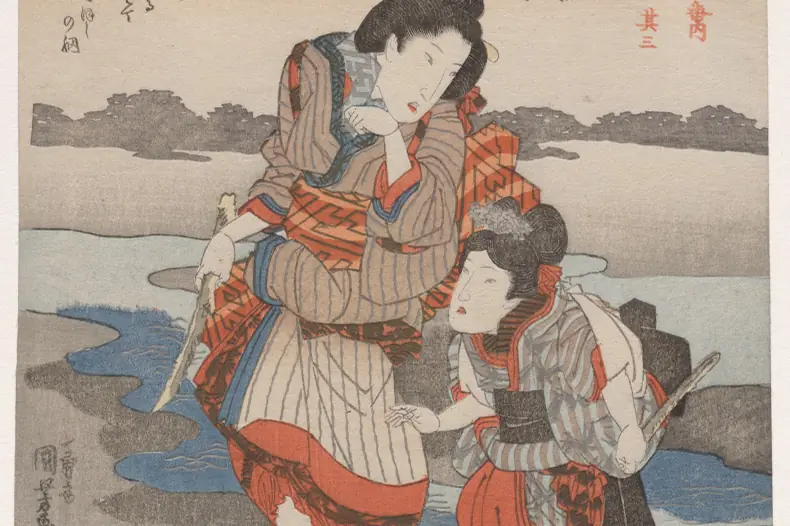
- Third Print from A Low Tide Pentaptych, Utagawa Kuniyoshi (c. 1830) — Cleveland Museum of Art, CC0 1.0
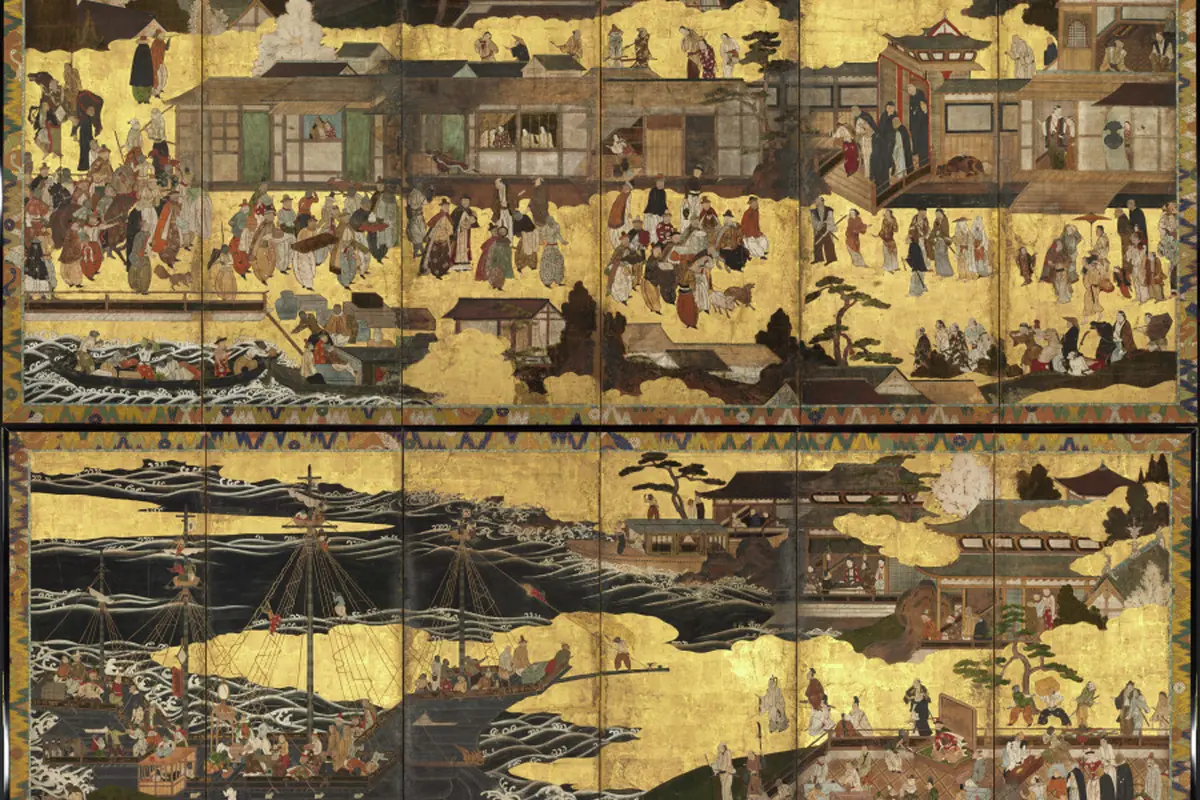
- Arrival of the "Southern Barbarians" (c. 1600) — Cleveland Museum of Art, CC0 1.0
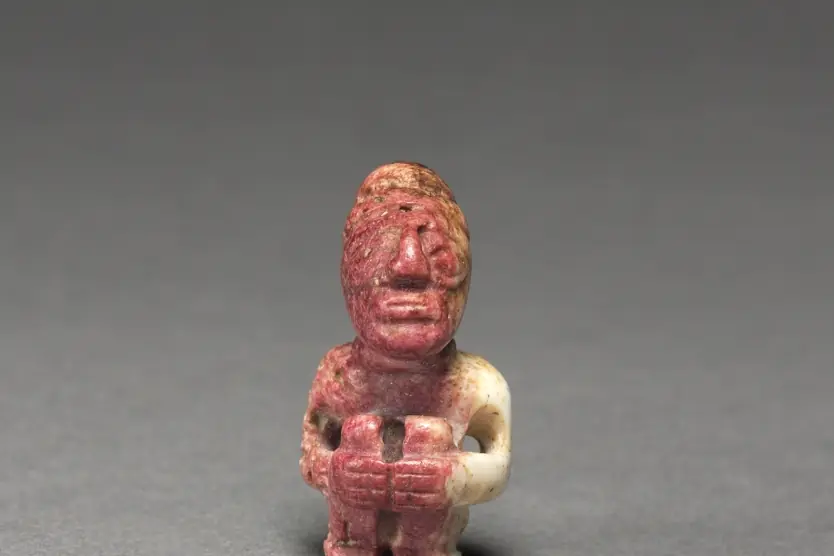
- Seated Figurine (c. 1400–1540) — Cleveland Museum of Art, CC0 1.0
- Nuova pianta di Roma data in luce da Giambattista Nolli l’anno MDCCXLVII, known as La Pianta Grande di Roma, Giovanni Battista Nolli (1748) — Cleveland Museum of Art, CC0 1.0
- Pendant with Two-Armed Blue Deity on a Lotus with Nagas (serpent divinities) (1600s or 1700s) — Cleveland Museum of Art, CC0 1.0
- Dune Scene with Peasant Figures, Willem van de Velde (mid-1650s) — Cleveland Museum of Art, CC0 1.0
- Eighteen Views of Rome: The Piazza Farnese (recto), Lievin Cruyl (1664) — Cleveland Museum of Art, CC0 1.0
- View of Venice, Jacopo de' Barbari (1500) — Cleveland Museum of Art, CC0 1.0
- Portrait of a Woman, Gerard ter Borch (c. 1665) — Cleveland Museum of Art, CC0 1.0
- Portrait of John VIII Palaoelogus, Emperor of Constantinople, 1424-1428 (reverse), Pisanello (c. 1438–1439) — Cleveland Museum of Art, CC0 1.0
- Nuova pianta di Roma data in luce da Giambattista Nolli l’anno MDCCXLVII, known as La Pianta Grande di Roma, Giovanni Battista Nolli (1748) — Cleveland Museum of Art, CC0 1.0
- Female Figure (late 1800s-early 1900s) — Cleveland Museum of Art, CC0 1.0