
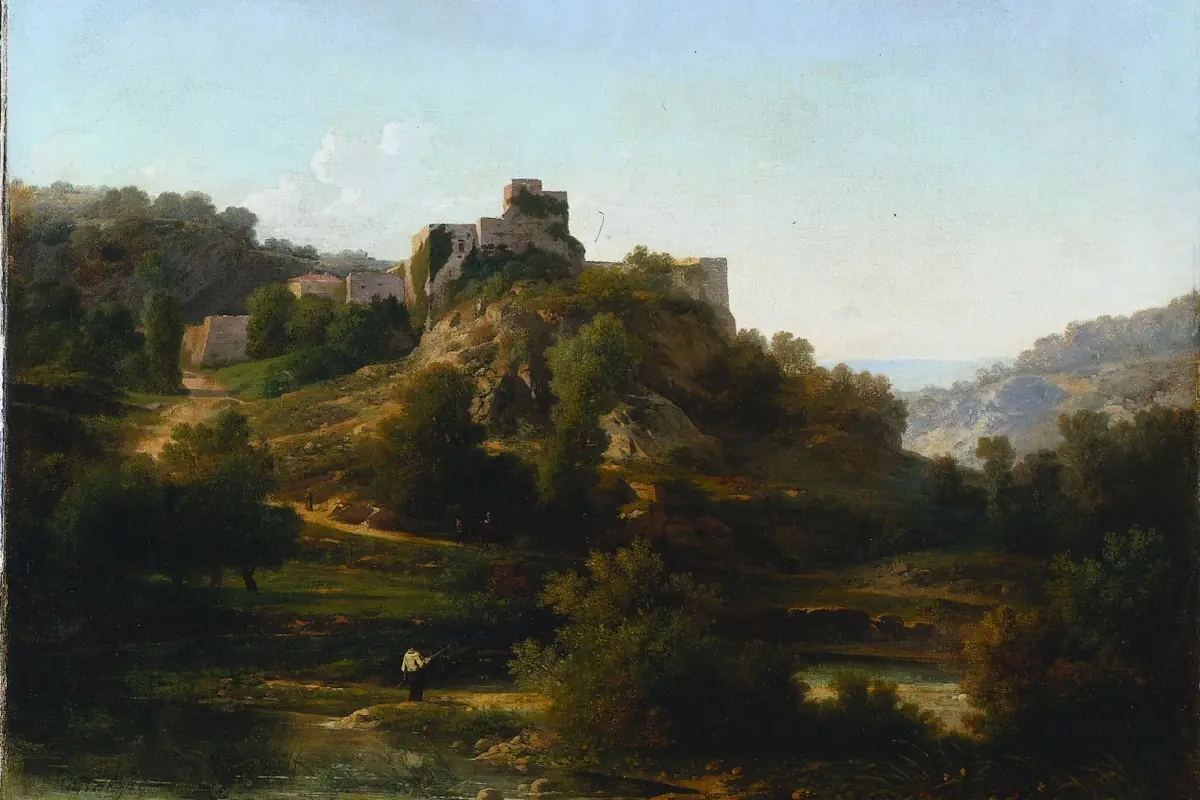
 Cleveland Museum of Art · CC0 1.0
Pages in this section
 Archaeological lootingCauses, actors, methods, consequences and responses: understanding the looting of sites in order to fight it better.›
 Satellite monitoringDetecting looting from space: method, images, alerts, limits and use of the results to protect 1,200 sites.›
 Good practices for protecting sitesManagement, guarding, documentation, community and showcasing: the measures that durably protect an archaeological site.›
The ground, first victim
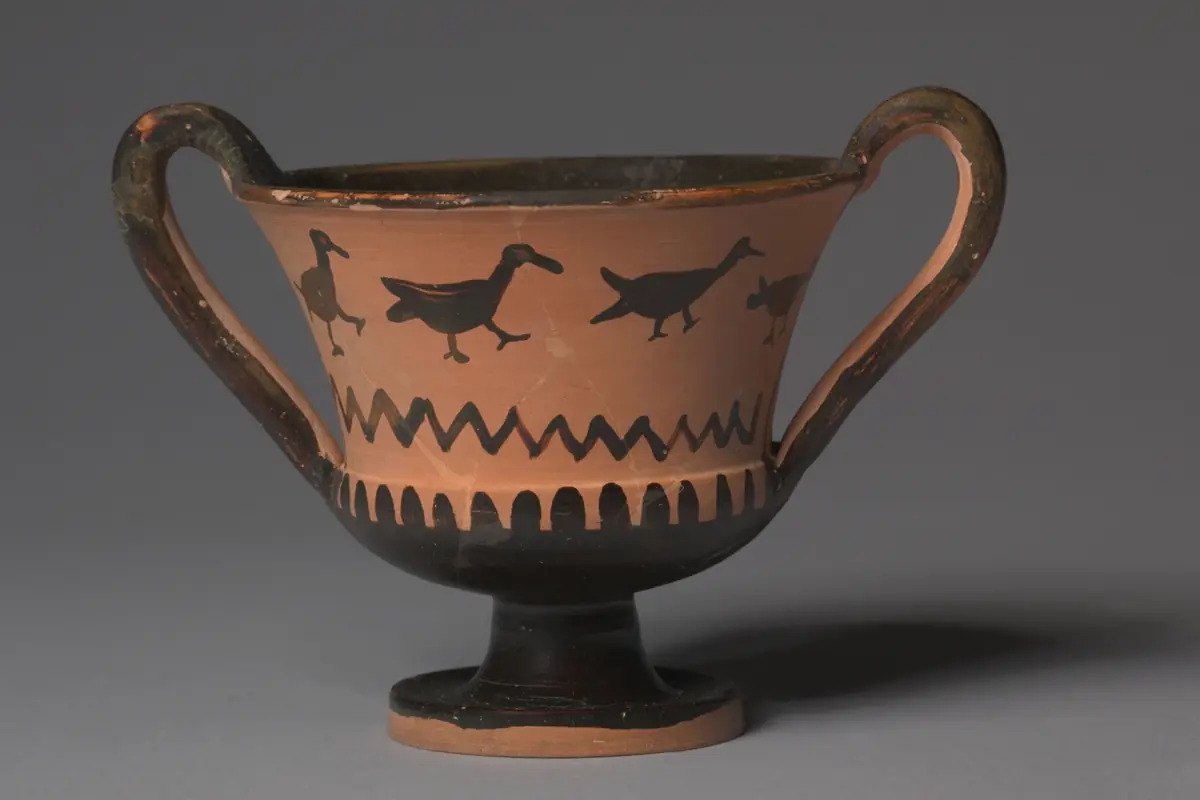
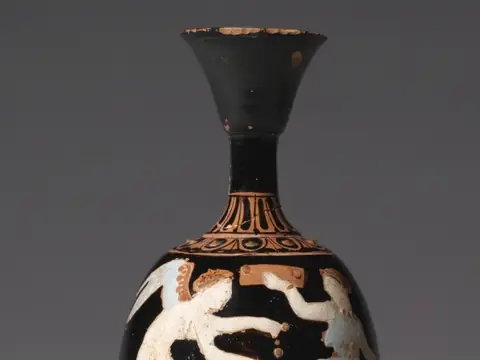
An archaeological site is a document: each layer of earth, each object in its place tells a story. When one loots, the object is torn out, but above all the context that gave it meaning is destroyed. A vase without context is a fine piece; a vase in context is a testimony.
Looting affects every continent. OIMAP monitors 1,200 sites by satellite, supports States in protecting their sites and works with local communities.
The section presents looting, satellite monitoring and good practices.
Archaeological sites in figures
Source: OIMAP Heritage Protection Department.
Why looting is so serious
An object torn from a site loses its age, its function, its relationship with other objects. Archaeology reconstructs the past from these relationships; without them, only scattered clues remain. Looting sometimes destroys in a night what a team would have taken ten years to study.
Looting also deprives local communities of their history and their future resources: museums, cultural tourism, education. Finally, it feeds criminal networks that often have other illicit activities.
Understanding the looters
Looters are not all organised criminals. Many are poor residents who see in the sale of an object a rare source of income. Others are recruited by intermediaries and paid a few euros for what will be sold for thousands of times more.
The response must therefore combine repression, protection of sites and local development. Employment programmes in site management, cultural tourism and crafts reduce looting more surely than patrols alone.
Three levers for action
Monitoring detects damage early: satellite images, patrols, local reports. Management protects durably: fences, guarding, inventory, documentation. Awareness-raising changes behaviour: informing residents, schools, tourists and buyers.
OIMAP acts on all three at once, because none is enough alone. States can request its support for each of them, according to their needs.
Scientific cooperation
Protecting sites also relies on universities, research institutes and archaeological missions. They know the sites, spot changes and publish data. OIMAP has signed agreements with thirty-two scientific institutions.
Their researchers take part in the appraisal of seized objects, the analysis of satellite images and the training of customs officers. This alliance between science and protection is one of the strengths of OIMAP's action.
Three levers
| Lever | Means | Expected result |
|---|---|---|
| Monitoring | Satellite, patrols, reports | Early detection |
| Management | Fence, guarding, inventory | Lasting protection |
| Awareness-raising | Schools, media, communities | Change in behaviour |
Landmarks
- UNESCO
Convention against trafficking.
- Protection Fund
First sites assisted.
- Satellite monitoring
Pilot programme.
- 1,200 sites
Regular follow-up.
Context is worth more than the object
Active or passive protection
Active
Guarding and monitoring- Deters looters
- Costly
- Requires staff
For major sites.
Passive
Inventory and awareness-raising- Inexpensive
- Less of a deterrent
- Requires local participation
For most sites.
Protecting a site
- Record
Locate and describe.
- Monitor
Follow by satellite.
- Secure
Guarding.
- Involve
Bring in the residents.
- Showcase
Open to the public.
A buyer's reflexes
An archaeologist
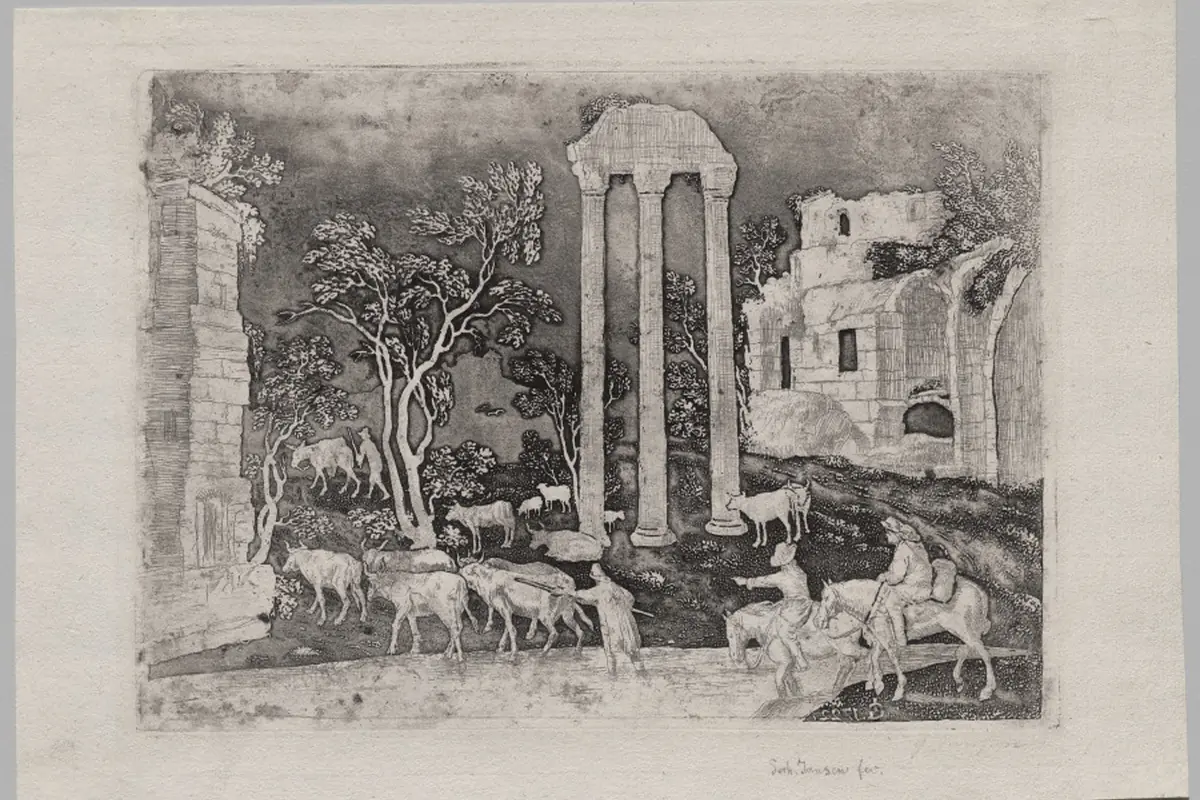
« When I saw the holes in the ground, I understood that we had lost centuries of history in one night. »
Archaeological vocabulary
- Archaeological context
- Relationships between objects and layers.
- Necropolis
- Ancient cemetery.
- Guarding
- Supervision of a site.
- Satellite image
- Photograph taken from space.
Frequently asked questions
Where do I report looting?
See Report a work.
Can one buy an archaeological object?
Only with a lawful provenance.
Does OIMAP fund site protection?
Yes, through the Protection Fund.
Who monitors the sites?
States, with OIMAP's support.
Useful documents
Contacts
Related pages
 Archaeological lootingCauses, actors, methods, consequences and responses: understanding the looting of sites in order to fight it better.›
 Satellite monitoringDetecting looting from space: method, images, alerts, limits and use of the results to protect 1,200 sites.›
 Good practices for protecting sitesManagement, guarding, documentation, community and showcasing: the measures that durably protect an archaeological site.›
Understand looting
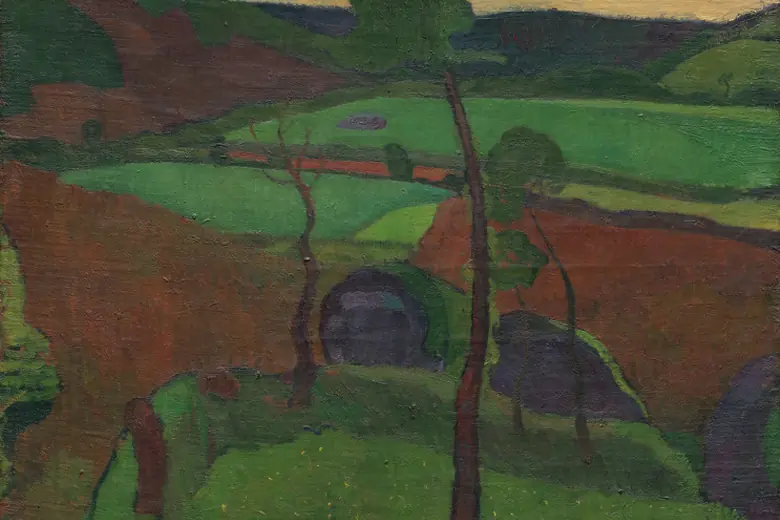
Image credits (19)
- Châteauvieux-sur-Suran, Antoine-Claude Ponthus-Cinier (1848) — Cleveland Museum of Art, CC0 1.0
- Egypt & Nubia, Volume III, No. 8: Mosque of Sultan Hassan, Cairo, Louis Haghe (1842–49) — Cleveland Museum of Art, CC0 1.0
- View of the Château of Pierrefonds, François-Louis Français (c. 1870) — Cleveland Museum of Art, CC0 1.0
- Two Boats with Female Mourners (c. 667–647 BCE) — Cleveland Museum of Art, CC0 1.0
- Black-Figure Kantharos (Drinking Cup): Lizards Flanking Tree (A); Ducks (B) (c. 500 BCE) — Cleveland Museum of Art, CC0 1.0
- View of the Gulf of Pozzuoli from Solfatara, Philipp Hackert (1803) — Cleveland Museum of Art, CC0 1.0
- Landscape, Sōami (early 1500s) — Cleveland Museum of Art, CC0 1.0
- Temple of Athene Nike. Venus Victrix—Wingless Victory, Dimitrios Constantin (c. 1850s–60s) — Cleveland Museum of Art, CC0 1.0
- Head of a Bearded Man (c. 125 CE) — Cleveland Museum of Art, CC0 1.0
- Karnak, Les Pylônes d'Horus, Henri Béchard (1860s) — Cleveland Museum of Art, CC0 1.0
- Seascape, Henry Ward Ranger (1892) — Cleveland Museum of Art, CC0 1.0
- India. Benares. Aurangzeb's Mosque, after a photo by Dr. Kurt Boeck, Photoglob Co. (c. 1890–1910) — Cleveland Museum of Art, CC0 1.0
- Red-Figure Squat Lekythos (Oil Vessel): Eros and Woman (c. 400–380 BCE) — Cleveland Museum of Art, CC0 1.0
- Pastoral Landscape with Ruins and a Ford, Gerhardt Janssen (1722) — Cleveland Museum of Art, CC0 1.0
- Roman Ruins, Villa Pamfili, Hubert Robert (1774) — Cleveland Museum of Art, CC0 1.0
- A Philosopher, Pierre Puget (1662) — Cleveland Museum of Art, CC0 1.0
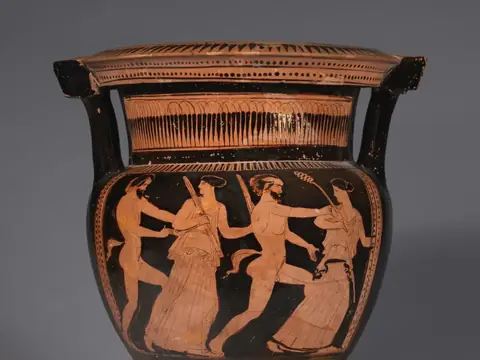
- Red-Figure Column Krater (Mixing Vessel): Satyrs Pursuing Maenads, Naples Painter (440–430 BCE) — Cleveland Museum of Art, CC0 1.0
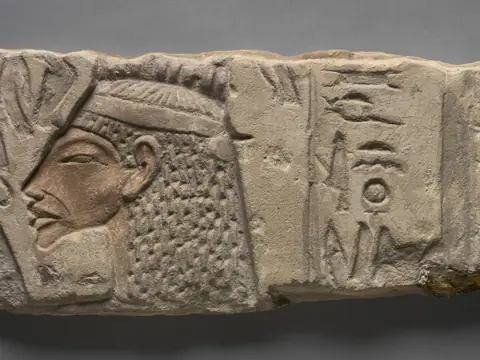
- Talatat: Nefertiti Offers to the Aten (1353–1347 BCE) — Cleveland Museum of Art, CC0 1.0
- Breton Landscape, Jan Verkade (1891–92) — Cleveland Museum of Art, CC0 1.0