
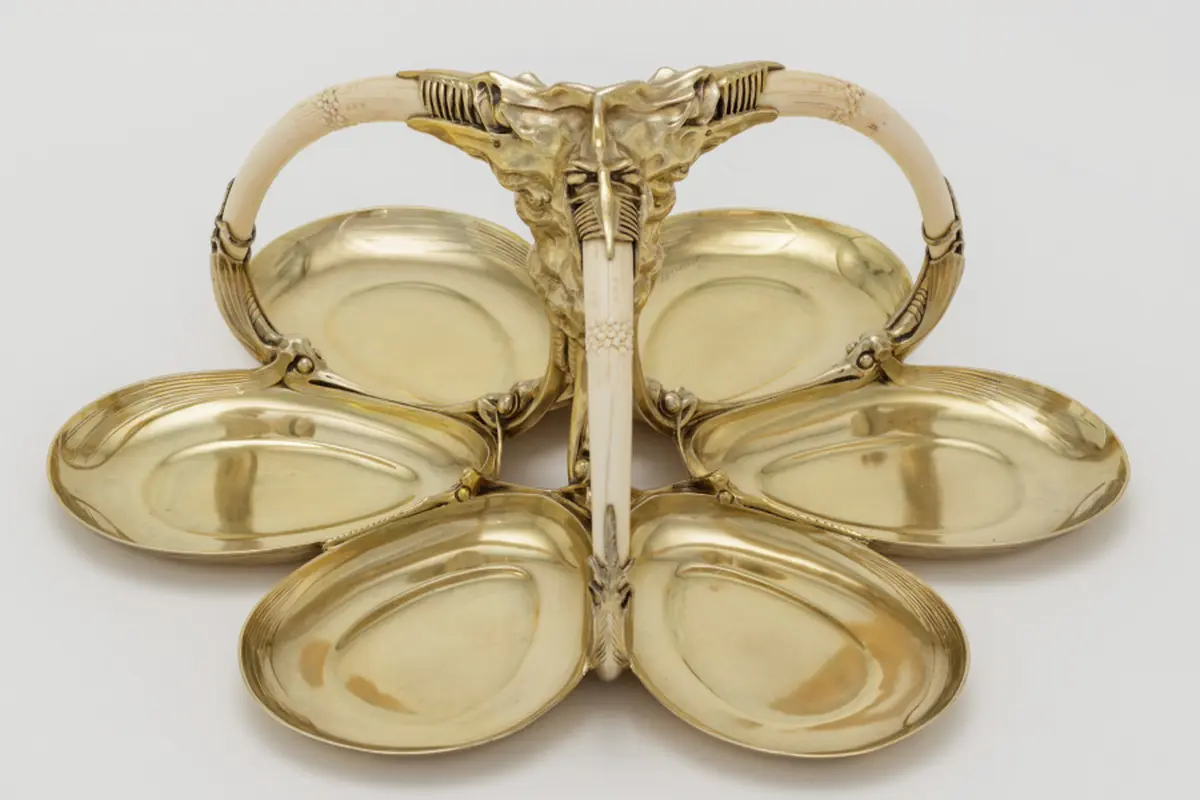
 Cleveland Museum of Art · CC0 1.0
A code to sustain trust
An expert's opinion can raise or collapse the price of a work by several million; a curator's decision can determine the future of a collection. This power requires rules. The Academy teaches all its trainees a code of ethics, adopted by accredited experts.
The code has twelve principles. It is completed by an independent ethics committee and a reporting procedure.
This page presents the principles, the risk situations and the sanctions.
Ethics of experts and curators in figures
Source: OIMAP Academy.
Independence and conflicts of interest
An expert may not assess a work in which they have a financial interest, whether they bought it, intend to buy it or receive a commission on the sale. They must declare any relationship with the parties. If in doubt, they withdraw.
Fees must never depend on the result of the expertise: an expert paid according to the authenticity they certify is no longer independent.
Confidentiality and accuracy
The expert keeps the client's information and the results of their examinations confidential, except where legally required or agreed. They refrain from circulating provisional conclusions. They write accurate reports, without exaggeration or omission, and correct their errors as soon as they discover them.
They keep their files for thirty years and hand them to the courts on request.
Respect for communities
For sacred or cultural objects, the expert consults the communities concerned, respects restrictions on access and photography, and avoids any disrespectful presentation. They immediately report any suspicion of looting or illicit removal to the authorities and the BIOP database.
They refuse to authenticate an object whose lawful origin is not demonstrated without an explicit reservation.
Ethics committee and sanctions
A committee of nine members examines reports, hears the people concerned and imposes proportionate sanctions: reprimand, suspension, withdrawal of accreditation, exclusion from the network. It is independent of the Academy's management.
Decisions are reasoned and may be appealed to a second committee.
Risk situations
| Situation | Principle | Conduct |
|---|---|---|
| Expertise for a friend | Impartiality | Withdraw or declare |
| Commission on a sale | Independence | Refuse |
| Object without clear origin | Legality | Alert, do not certify |
| Disclosure of results | Confidentiality | Refrain |
Milestones
- Initial code
Six principles.
- Twelve principles
Review.
- Ethics committee
Creation.
- 14 sanctions
Report.
Declare your links
Withdrawal or declaration
Withdrawal
Stepping aside- Maximum security
- Protects reputation
- Loss of the commission
If the interest is direct.
Declaration
Inform the parties- Transparency
- Agreement possible
- Risk of challenge
If the link is weak.
Applying the code
- Read
Principles.
- Identify
Conflict.
- Declare
Links.
- Decide
Withdrawal or not.
- Document
Choice.
Questions to ask oneself
A chair of the ethics committee
« Ethics is not a constraint, it is the condition of trust. Without it, expertise is worth nothing. »
Vocabulary of ethics
- Ethics
- Rules of professional conduct.
- Declaration of interests
- Written statement of one's links.
- Stepping aside
- Withdrawing from a matter.
- Disciplinary sanction
- Measure taken against a breach.
Reporting a breach
Anyone may report a suspected breach, confidentially, via the Desk. Good-faith reports are protected; abusive reports are penalised. A thirty-day response time is guaranteed.
The Academy publishes an anonymised report each year on the cases handled.
Frequently asked questions
Is the code public?
Yes.
Who can report?
Anyone.
Is reporting confidential?
Yes.
Where can I see the programmes?
Useful documents
Contacts
Related pages
 Experts and curatorsAuthentication, conservation and ethics: the Expert-Curator Diploma and continuing training for collection professionals.›
 Authentication of worksStylistic examination, scientific analysis, archival research: the three pillars of attribution, taught with real cases.›
 Certification programmesThree diploma programmes — market analyst, due diligence and provenance, expert-curator — recognised by Member States.›
See the certification programmes
Image credits (16)
- Salver, Carlo Bugatti (c. 1907) — Cleveland Museum of Art, CC0 1.0
- Turtleback Reading Lamp, Tiffany Glass & Decorating Company (c. 1895–1902) — Cleveland Museum of Art, CC0 1.0
- Fragment of a belt (hizam) (1800s) — Cleveland Museum of Art, CC0 1.0
- Panel (c. 1780–1840) — Cleveland Museum of Art, CC0 1.0
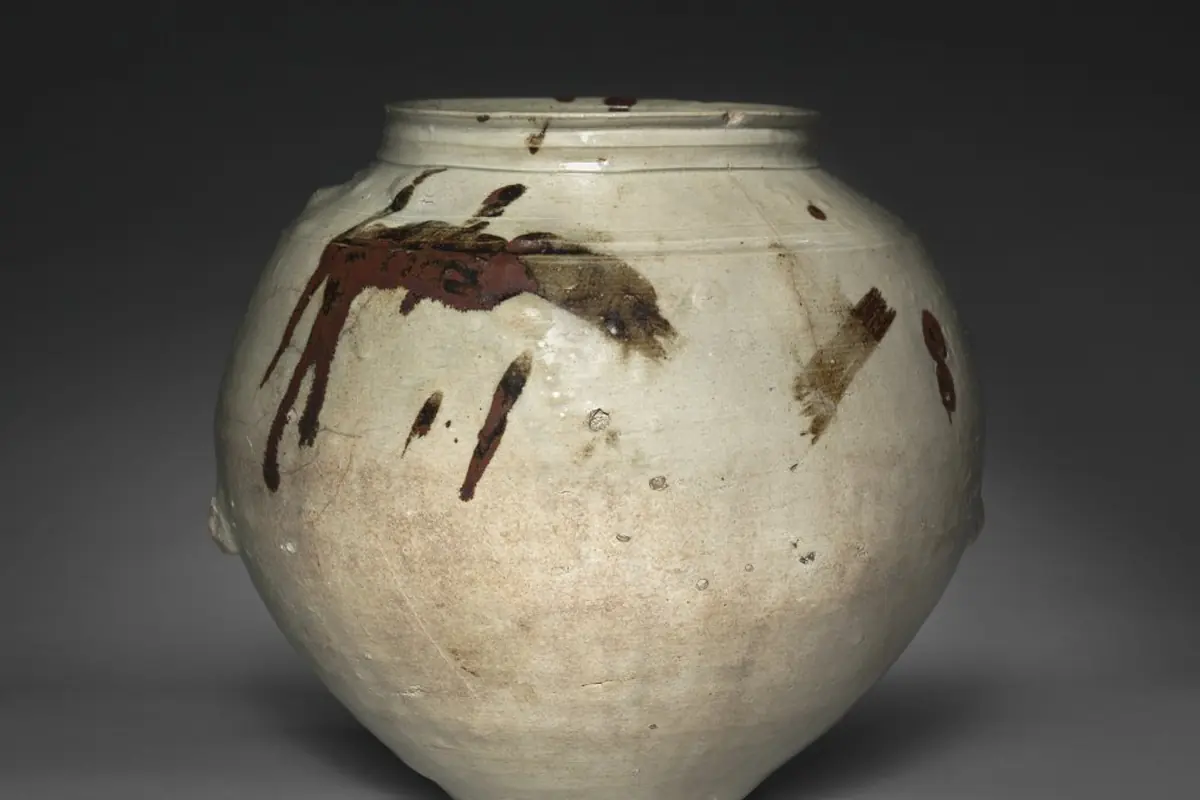
- Jar with Design in Underglaze Iron (1800s–1900s) — Cleveland Museum of Art, CC0 1.0
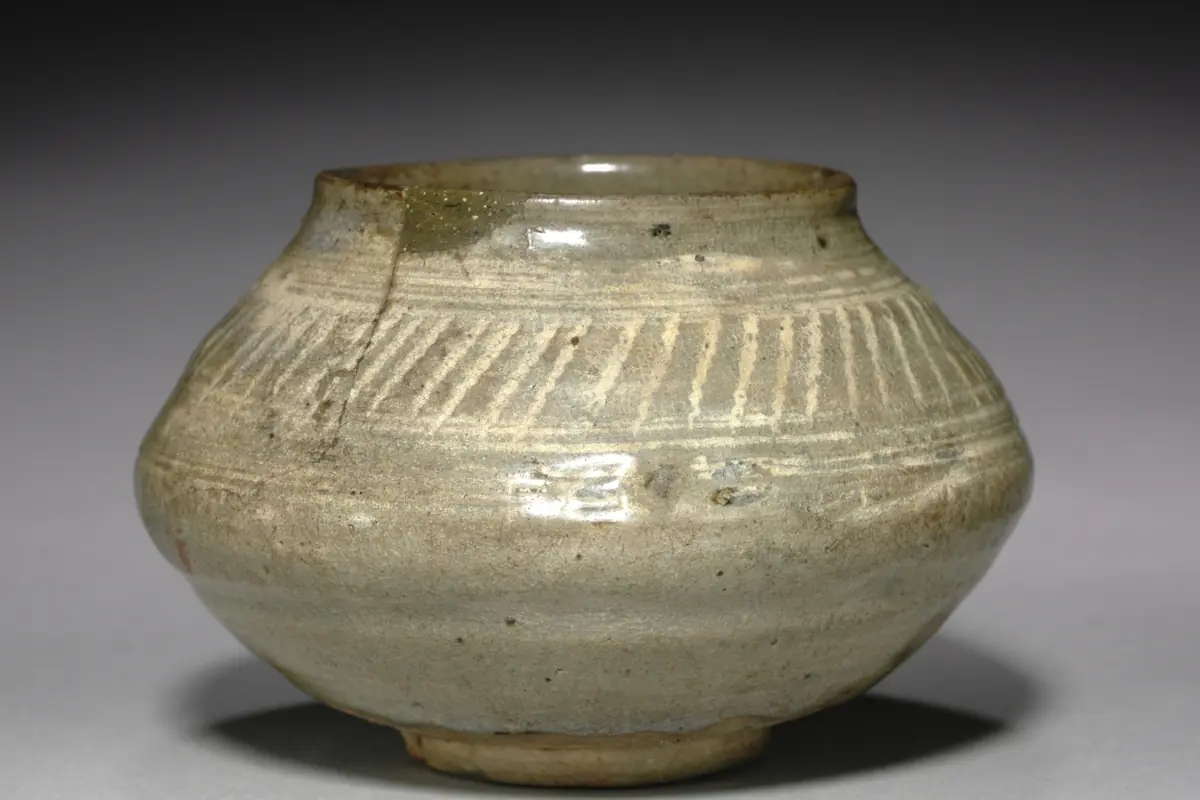
- Jar with Stamped Decoration (1400s) — Cleveland Museum of Art, CC0 1.0
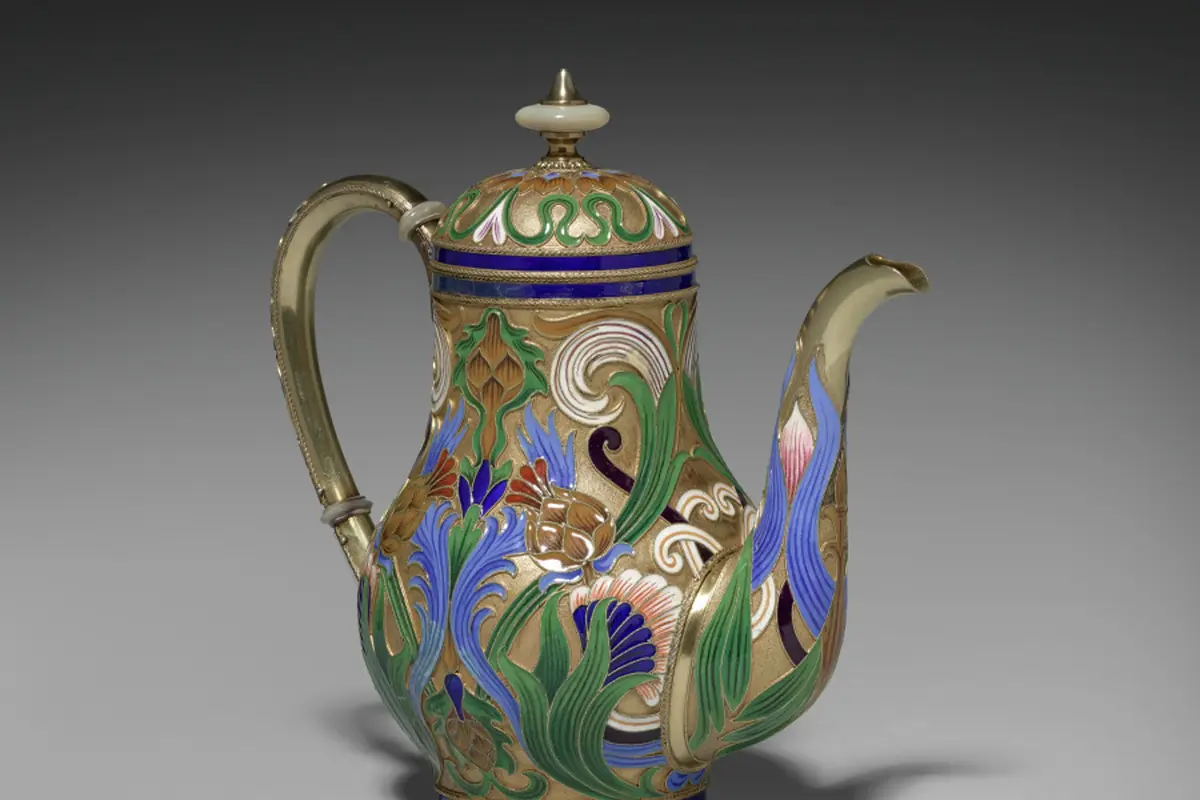
- Covered Hot Water Pot, Feodor Ivanovich Rückert (1887–96) — Cleveland Museum of Art, CC0 1.0
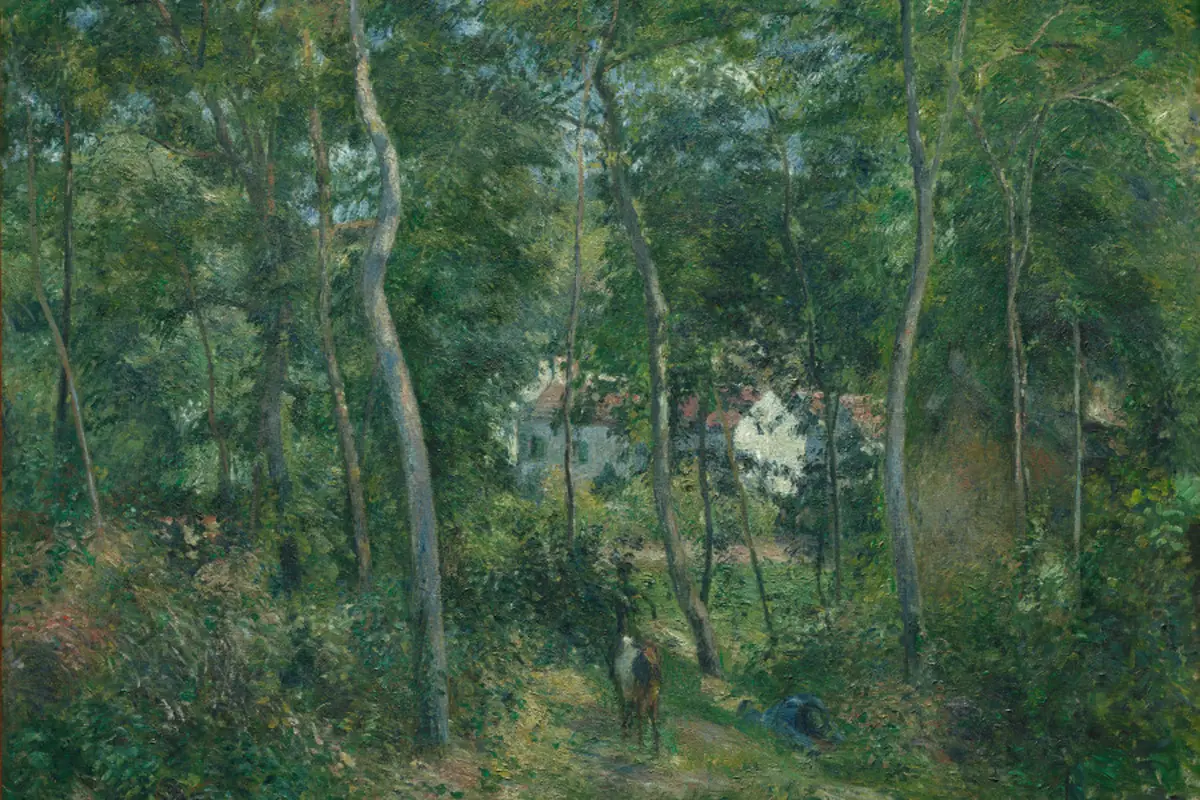
- Edge of the Woods Near L'Hermitage, Pontoise, Camille Pissarro (1879) — Cleveland Museum of Art, CC0 1.0
- Portrait of Jean-Baptiste Lemoyne the Younger, Elisabeth Louise Vigée-LeBrun (1774) — Cleveland Museum of Art, CC0 1.0
- Compass and Sun Dial (1700–1750) — Cleveland Museum of Art, CC0 1.0
- Study of Hands (recto); Sketch of a Hand (verso), Pierre Lenfant (1700s) — Cleveland Museum of Art, CC0 1.0
- Small Mosque in the Kaiserbagh, Felice A. Beato (1858) — Cleveland Museum of Art, CC0 1.0
- Annunciation to the Shepherds: Leaf from a Book of Hours (1 of 6 Excised Leaves), Henri d'Orquevaulx (c. 1420–30) — Cleveland Museum of Art, CC0 1.0
- Portrait of a Man, Gustave Caillebotte (1880) — Cleveland Museum of Art, CC0 1.0
- Bookplate: Boylston Medical Library, George Girdler Smith (1806–39) — Cleveland Museum of Art, CC0 1.0
- Miniature Teapot, Mikhail Evlampievich Perkhin (1886–96) — Cleveland Museum of Art, CC0 1.0