
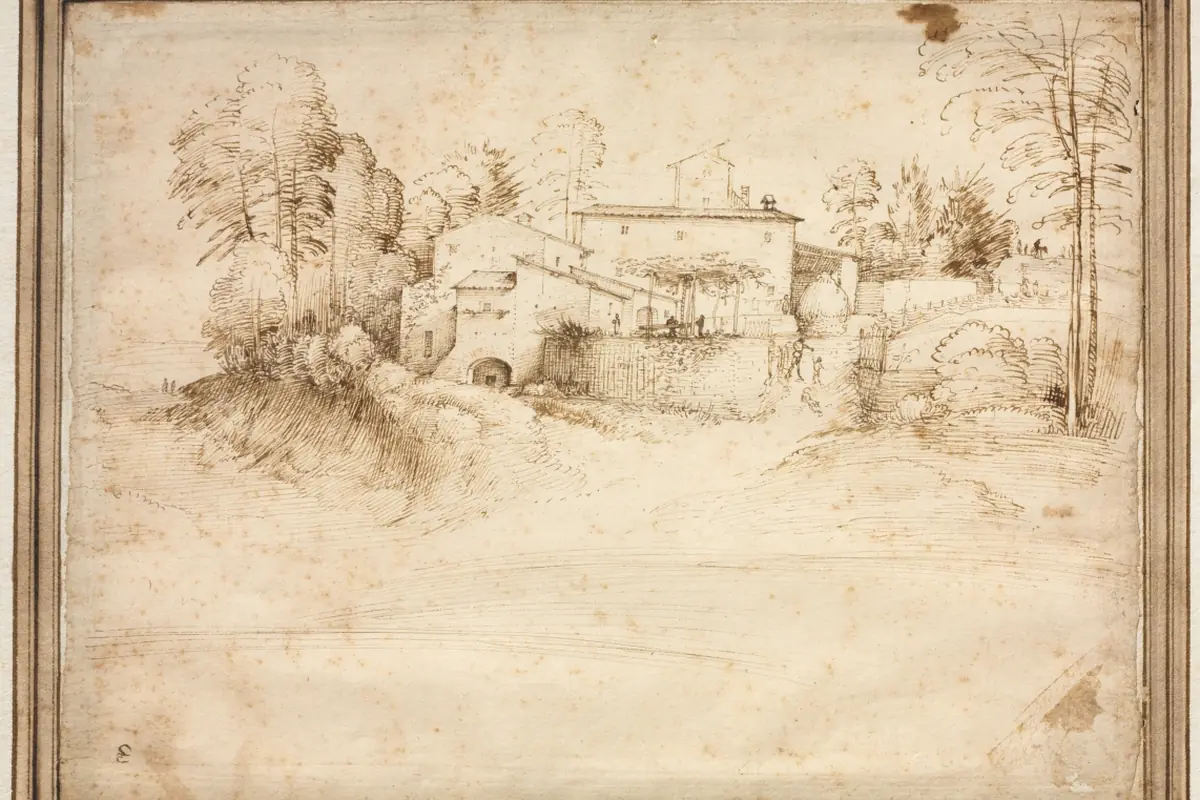
 Cleveland Museum of Art · CC0 1.0
Six events a year
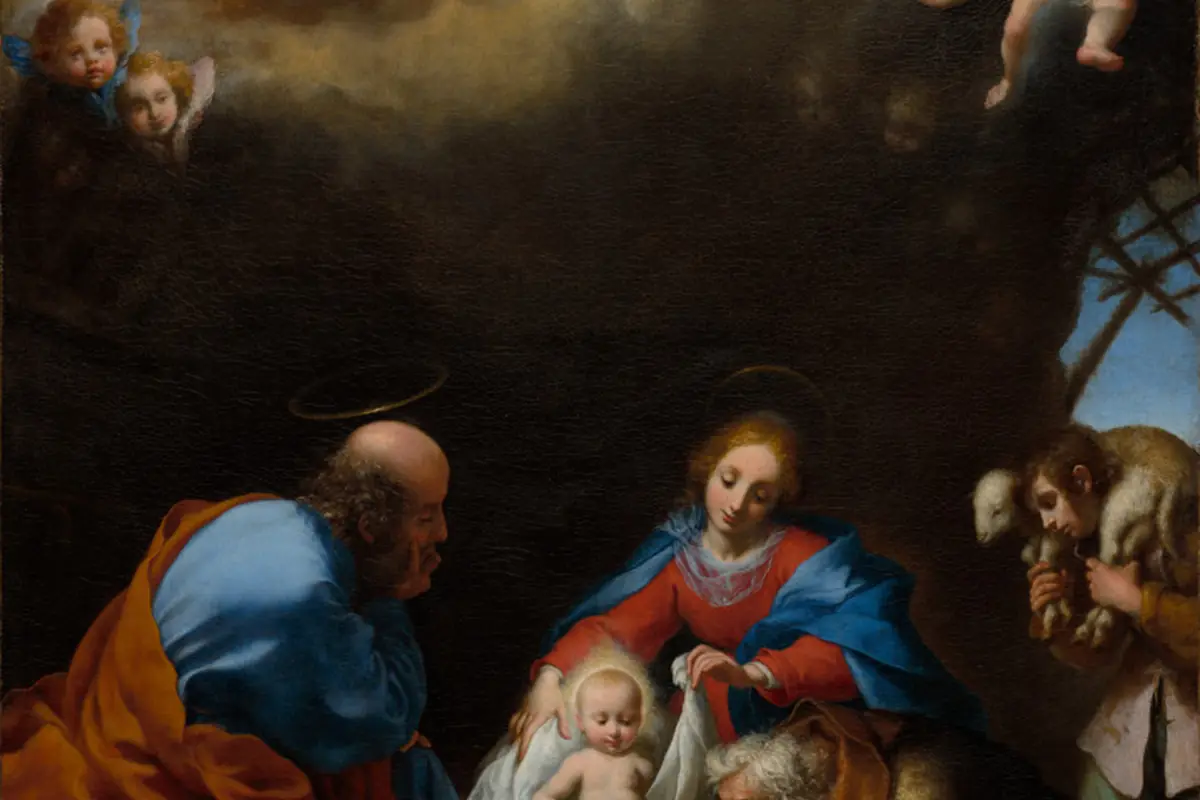
Each year, six exhibitions are on show in museums, cultural centres or the Organization's own premises. They generally run for three to six months and offer a complete visitor journey, with a catalogue, mediation and activities for schools.
Exact dates, opening hours and prices vary by host venue: always check the exhibition's information sheet before you travel.
Exhibitions that travel are presented on the touring exhibitions page.
Exhibitions now showing in figures
Source: Events and Communications Directorate.
Reading an exhibition sheet
Each sheet gives the title, theme, curator, dates, venue, opening hours, prices and related services: audio guide, guided tour, workshops. A plan of the visitor route and the list of works complete the information.
Sheets are updated every week. In the event of a last-minute change, an alert appears at the top of the page.
Prices and reservations
Admission is free for public officials with proof of status and for anyone under eighteen. Other visitors pay a price set by the host venue, generally between €6 and €15 (indicative). Reduced prices are available for students and groups.
Reservation is recommended for groups of more than ten people and compulsory for school visits. It can be made online or by email through the Events Directorate.
Guided tours and workshops
Guided tours are offered in French, English and Spanish, and in sign language on request. They last forty-five minutes and are led by a mediator trained by the Academy.
Workshops for children aged eight and over introduce the investigative professions: examining a painting under a lamp, comparing a signature, reassembling a puzzle of fragments.
Catalogue and resources
An illustrated catalogue accompanies each exhibition. It is sold on site at cost price and can be downloaded free of charge in digital form after six months. Press images are available from the photo library.
Educational packs are provided for teachers, with sheets by level and suggested activities before and after the visit.
Practical information
| Section | Details | Remark |
|---|---|---|
| Opening hours | 10 am – 6 pm, closed on Mondays | Varies by venue |
| Full price | €6 to €15 (indicative) | Set by the host |
| Free admission | Public officials, under 18 | Supporting document |
| Groups | Online reservation | From 10 people |
Milestones
- Programme finalised
For the following year.
- First opening
Paris headquarters.
- Assembly exhibition
Host venue of the session.
- Review
Attendance figures published.
Before you come
Self-guided or guided visit
Self-guided visit
At your own pace- Reduced fee
- Audio guide available
- No reservation needed
For a first introduction.
Guided visit
With a mediator- Detailed explanations
- Questions welcome
- Reservation recommended
To understand the issues at stake.
Organising a group visit
- Choose
The exhibition.
- Book
Date and time.
- Inform
The group.
- Getting there
Welcome.
- Follow up
Educational pack.
For a smooth visit
A visitor
« The room devoted to forgeries taught me that the eye alone is not enough. The explanations of the analyses are very clear. »
Vocabulary of the visit
- Curator
- Scientific lead of the exhibition.
- Audio guide
- Recorded commentary on the route.
- Tactile tour
- Route with objects to touch.
- Catalogue
- Publication associated with the exhibition.
Accessibility
The galleries are accessible to people with reduced mobility. Audio descriptions, braille and large-print materials and a tactile tour are offered for some of the works. Guide dogs are admitted.
To prepare an adapted visit, contact the visitor services team at least seven days in advance.
Frequently asked questions
Is reservation necessary?
For groups, yes.
Are children admitted?
Yes, free of charge.
Can I take photographs?
Without flash, in most galleries.
What about touring exhibitions?
See Touring exhibitions.
Useful documents
Contacts
Related pages
 ExhibitionsSix exhibitions on show each year, four of them travelling: programme, international circulation and project proposals.›
 Travelling exhibitionsFour exhibitions that travel the world: modular format, schedule of stops, host conditions and shared costs.›
 Propose an exhibitionHow to submit an exhibition project: criteria, application file, review committee, timetable and partners' commitments.›
See the touring exhibitions
Image credits (16)
- Farmhouse on the Slope of a Hill, Fra Bartolommeo (c. 1508) — Cleveland Museum of Art, CC0 1.0
- Adoration of the Shepherds, Carlo Dolci (c. 1670) — Cleveland Museum of Art, CC0 1.0
- Saint Jerome and the Lion (From the former Church of St. Peter in Erfurt), Tilman Riemenschneider (c. 1495) — Cleveland Museum of Art, CC0 1.0
- Jonah Under the Gourd Vine (280–90 CE) — Cleveland Museum of Art, CC0 1.0
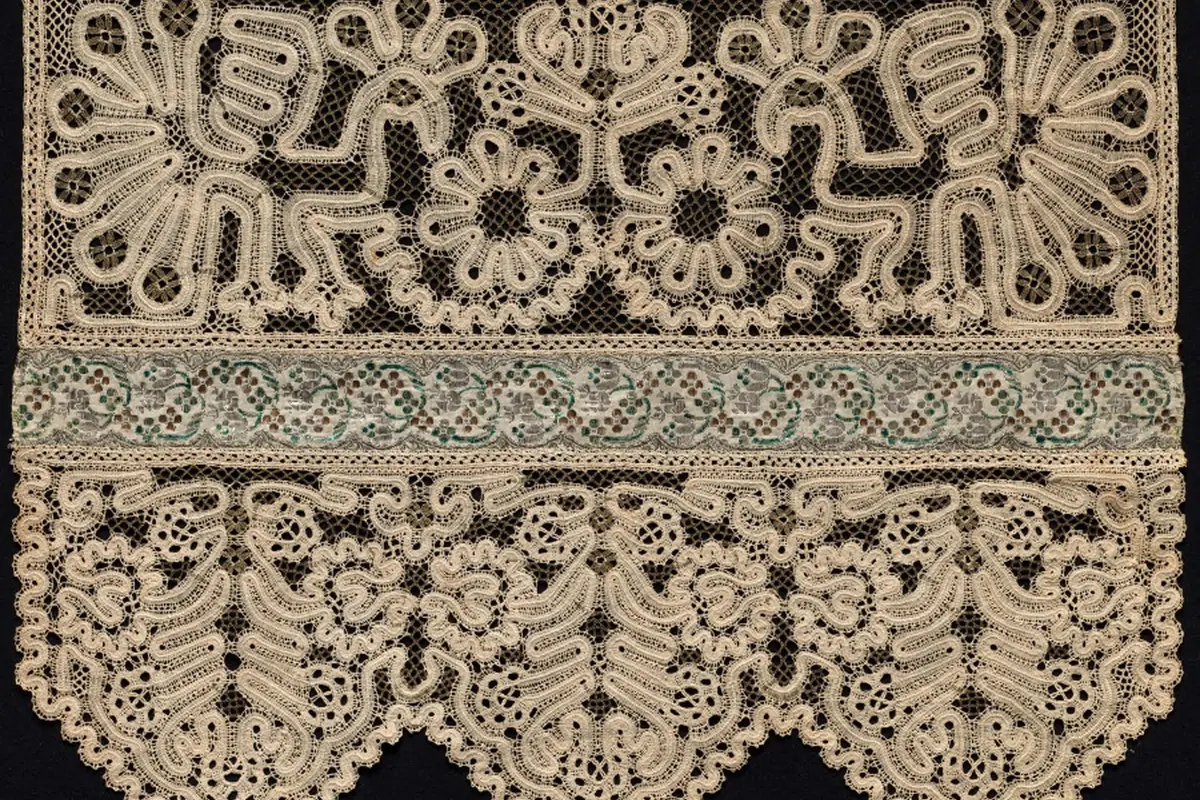
- Lace Towel End (c. 1700s–1800s) — Cleveland Museum of Art, CC0 1.0
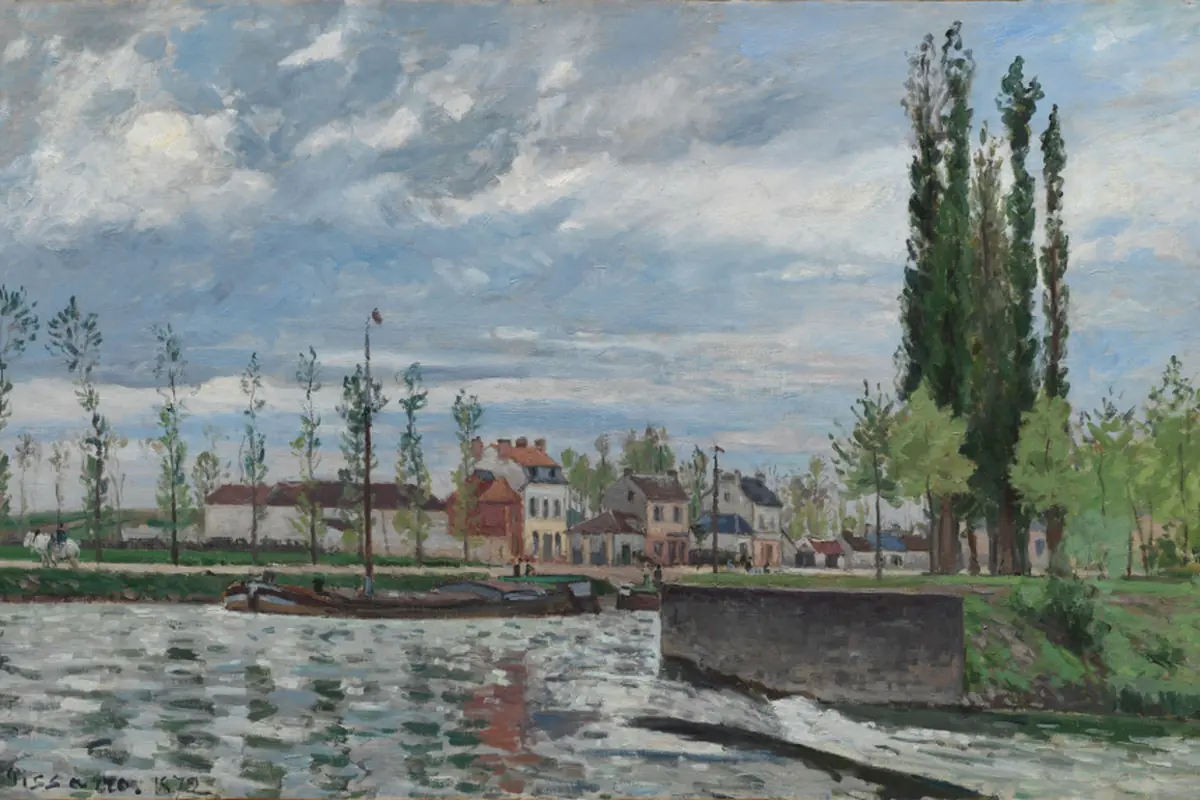
- The Lock at Pontoise, Camille Pissarro (1872) — Cleveland Museum of Art, CC0 1.0
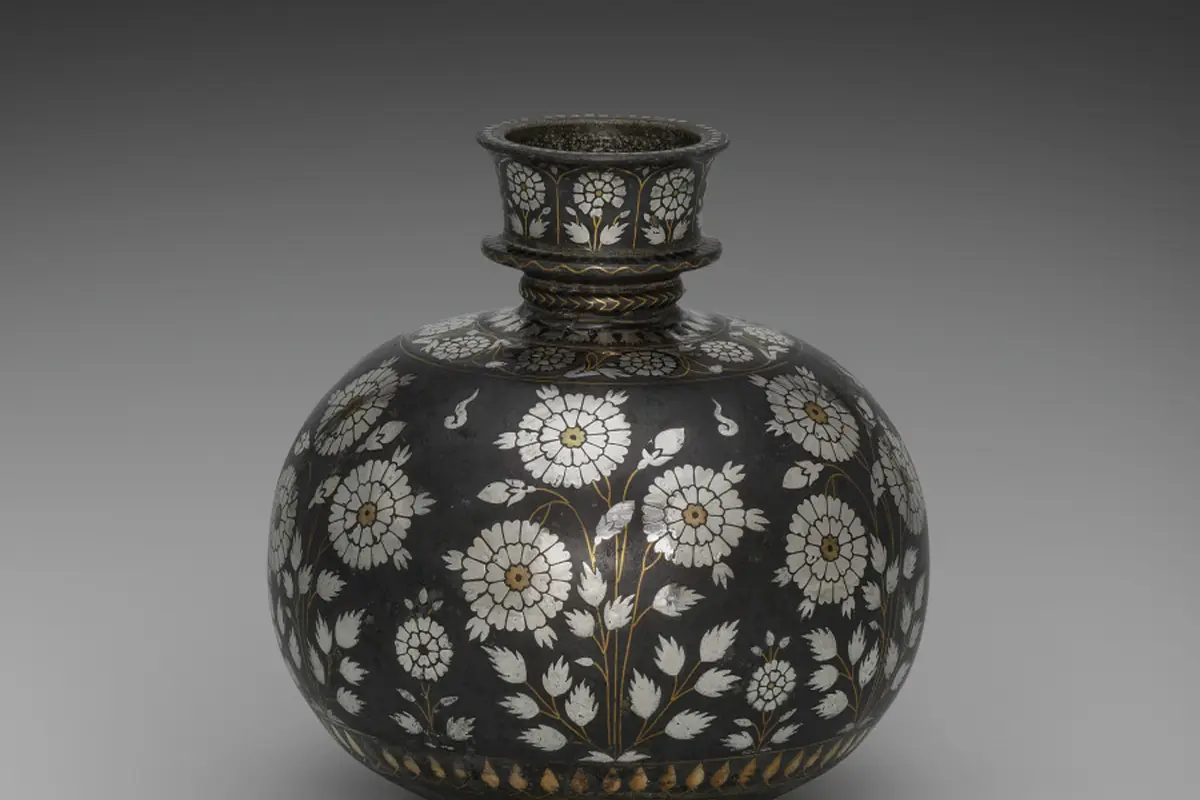
- Bidri Hookah Bowl with Roses (c. 1650s) — Cleveland Museum of Art, CC0 1.0
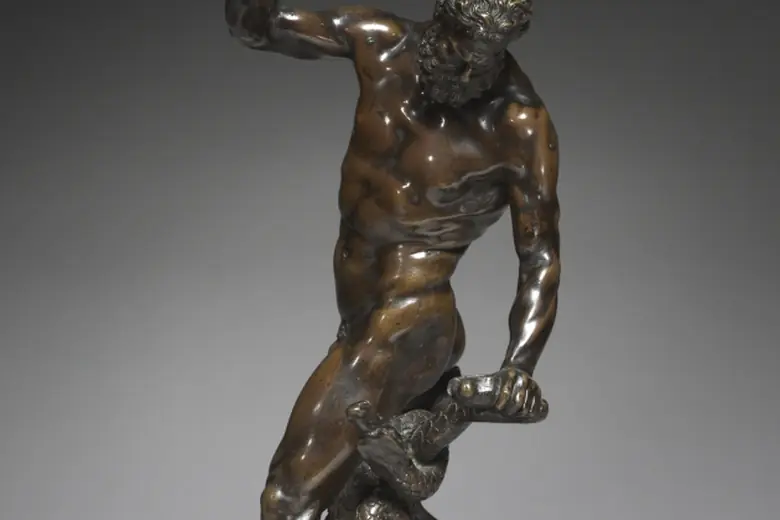
- Hercules and the Hydra (late 1500s-early 1600s) — Cleveland Museum of Art, CC0 1.0
- Gathering among the Members of Office Censor-General (1700s) — Cleveland Museum of Art, CC0 1.0
- Interior of a Synagogue, Alessandro Magnasco (c. 1725–35) — Cleveland Museum of Art, CC0 1.0
- Edge of the Woods Near L'Hermitage, Pontoise, Camille Pissarro (1879) — Cleveland Museum of Art, CC0 1.0
- Pair of Drawings: Sketch of the Labyrinth of the Villa Pisani and Piazza San Marco with Doges' Palace, Francesco Guardi (1773–1778(?)) — Cleveland Museum of Art, CC0 1.0
- Panel (c. 1780–1840) — Cleveland Museum of Art, CC0 1.0
- Figure from a Crèche: Standing Mountain Goat (1780–1830) — Cleveland Museum of Art, CC0 1.0
- Portrait of a Man, Gustave Caillebotte (1880) — Cleveland Museum of Art, CC0 1.0
- The Thinker, Auguste Rodin (1880–81) — Cleveland Museum of Art, CC0 1.0