
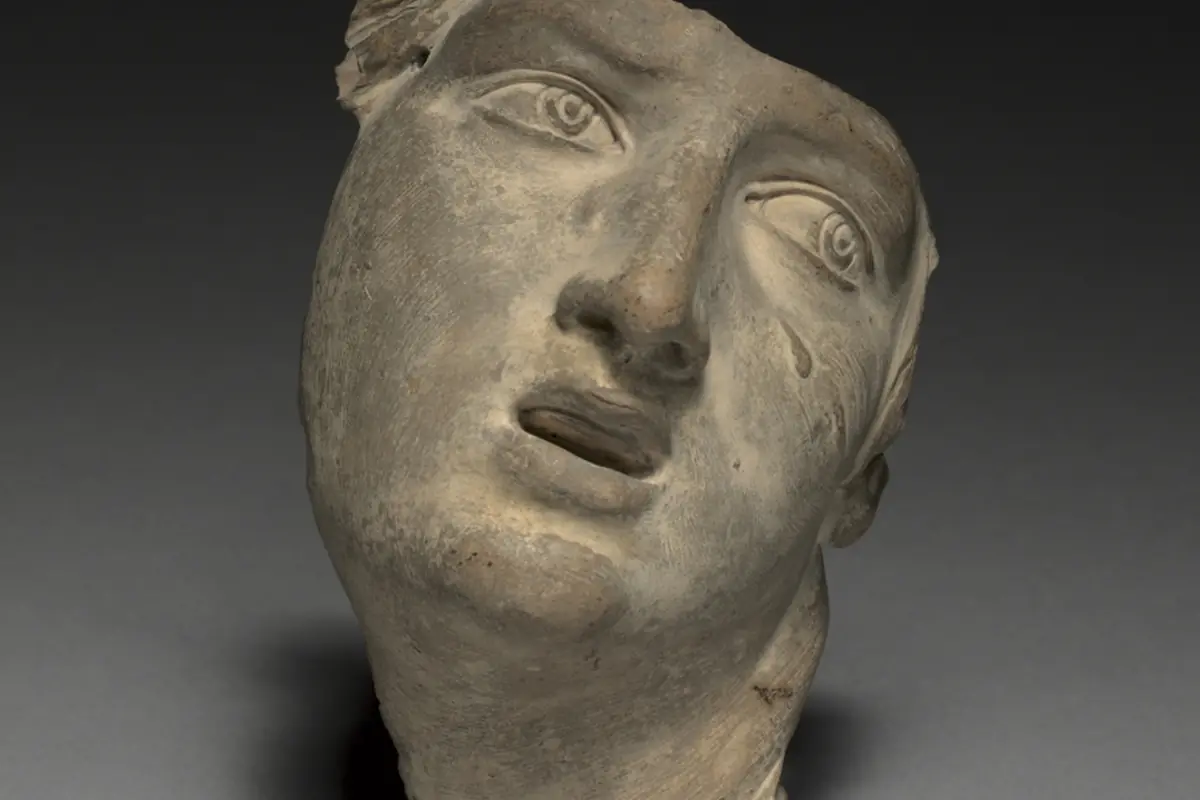
 Cleveland Museum of Art · CC0 1.0
Pages in this section
 Copyright and works of artEconomic rights and moral right of the artist, term of protection, exceptions, assignment contracts and reproduction of works in the art market.›
 Resale rightThe royalty paid to the artist or their rights holders on professional resales: principle, scale, beneficiaries, collection and control.›
 WIPO and international treatiesThe World Intellectual Property Organization: treaties, services, cooperation with OIMAP and consequences for the art market.›
The rights of those who create
Behind every work there is a creator whose rights survive the sale. The buyer of a painting acquires the physical property, not the right to reproduce it; they may resell it, but the artist, depending on the State, receives a royalty.
The section covers three subjects: copyright, the resale right and the role of WIPO.
It is aimed at artists, rights holders, buyers and operators who reproduce, exhibit or resell works.
Intellectual property in figures
Source: OIMAP Legal Affairs Department.
The three pages of the section
Ownership of the object, ownership of the rights
Two kinds of ownership coexist in a work: that of the object, which passes from buyer to buyer, and that of the intellectual property rights, which remain with the artist or their rights holders, unless assigned. Buying a painting does not give the right to make posters of it or to display it online without permission.
This distinction is fundamental for the market. It explains the importance of assignment contracts, reproduction licences and collective management societies.
Long but not eternal protection
The term of copyright protection is generally seventy years after the artist's death, but varies from State to State. On expiry, the work falls into the public domain: anyone may reproduce it, subject to respect for the moral right.
The resale right, for its part, is a right to remuneration on professional resales. It exists in thirty-four Member States and generally follows the term of copyright.
A constant balance
Intellectual property seeks a balance between rewarding creators and the circulation of culture. Exceptions to copyright — quotation, teaching, preservation, news reporting — are the expression of this. They allow museums, universities and the press to work without seeking permission each time.
These exceptions have precise limits, which vary from State to State. OIMAP recommends that operators know them, to avoid both excessive refusals and wrongful reproductions.
The three pillars
| Pillar | Purpose | Holder |
|---|---|---|
| Copyright | Reproduce, represent, adapt the work | The artist, then their rights holders |
| Moral right | Authorship and integrity of the work | The artist |
| Resale right | Royalty on resales | The artist and their rights holders |
Landmarks
- Berne Convention
First copyright treaty.
- WIPO
Creation of the organisation.
- Internet treaties
Adaptation to the digital world.
- Resale right
34 OIMAP Member States.
Reproducing a work: ask first
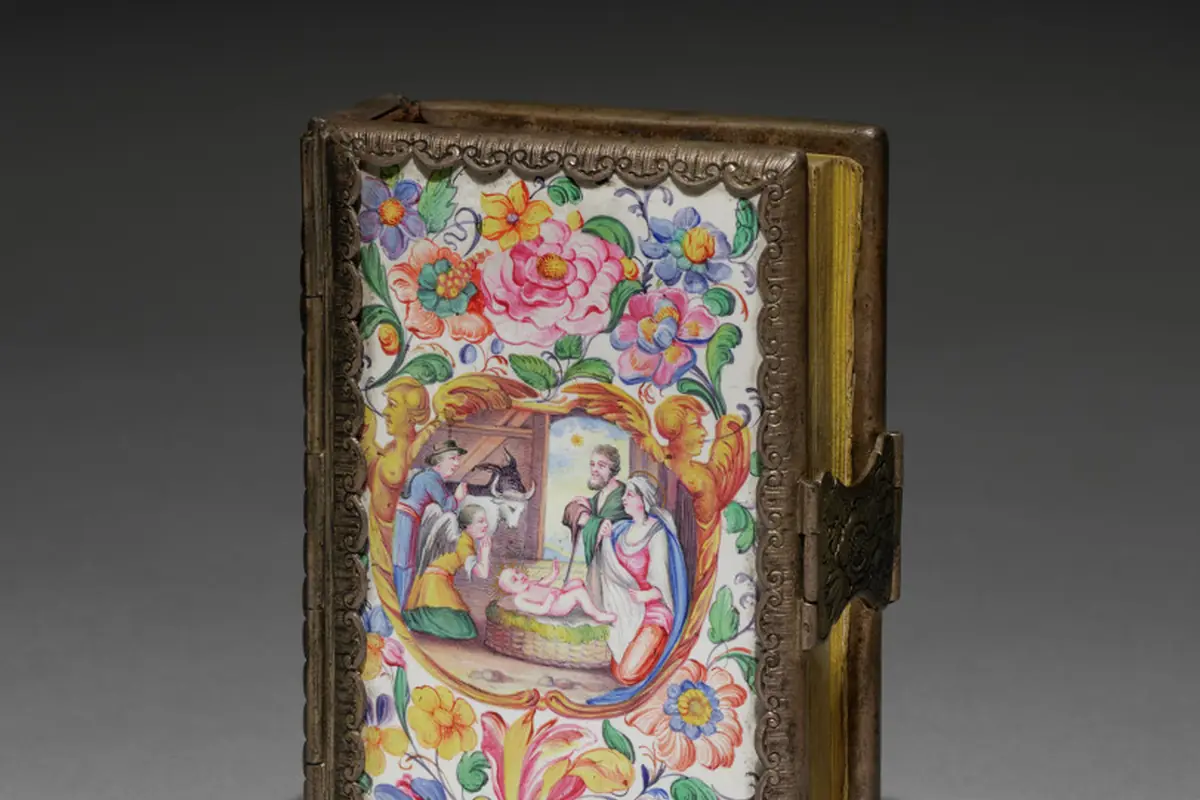
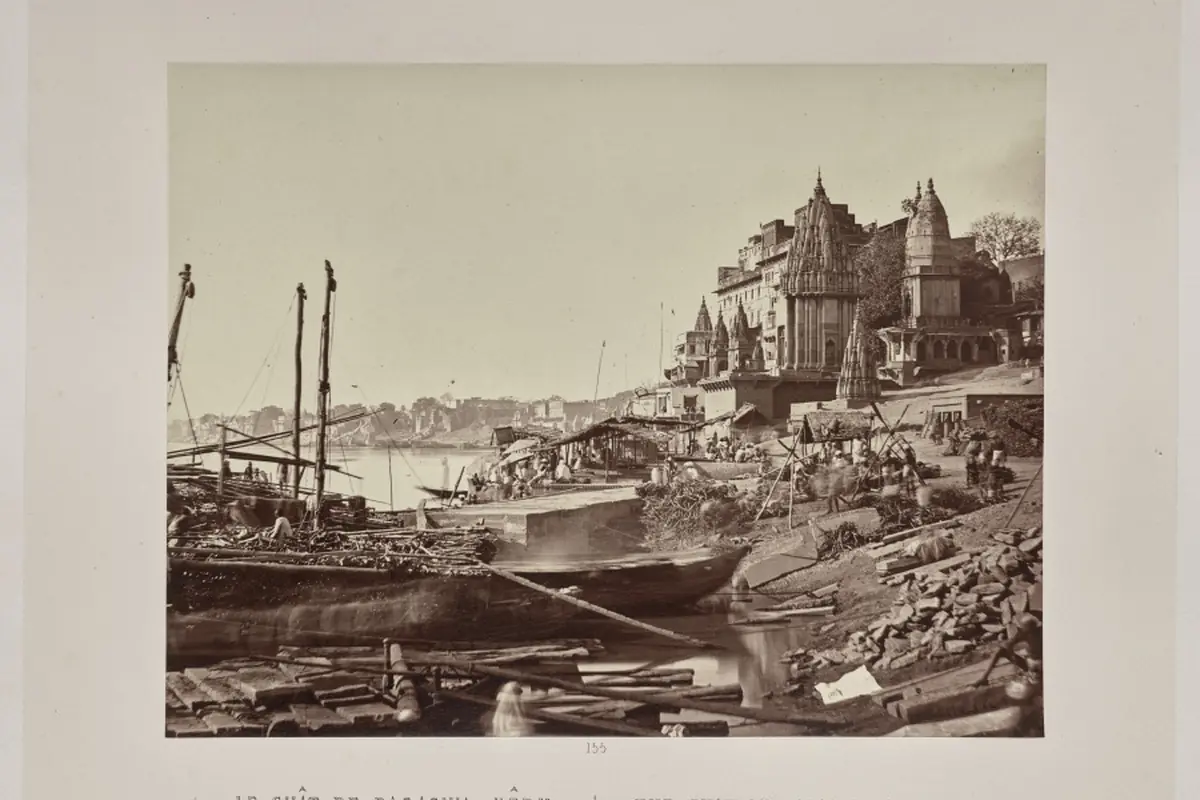
Protected or public domain
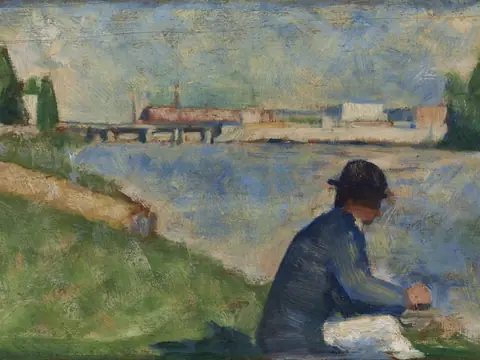
Protected
Work of an artist who died less than 70 years ago- Permission required
- Royalties
- Moral right
General case.
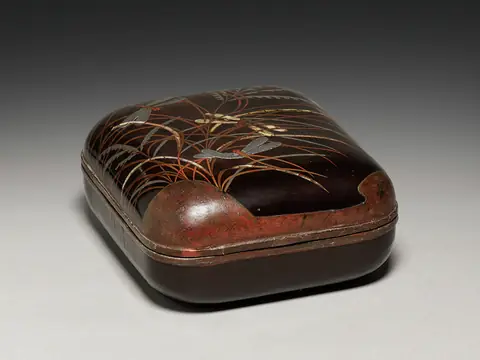
Public domain
Protection expired- Free reproduction
- Moral right continuing
- No royalty
After expiry.
Using a protected work
- Identify
Find the rights holders.
- Ask
Request permission.
- Negotiate
Agree a licence.
- Monitor
Respect its limits.
- Pay
Pay the royalties.
Reflexes
An intellectual property lawyer
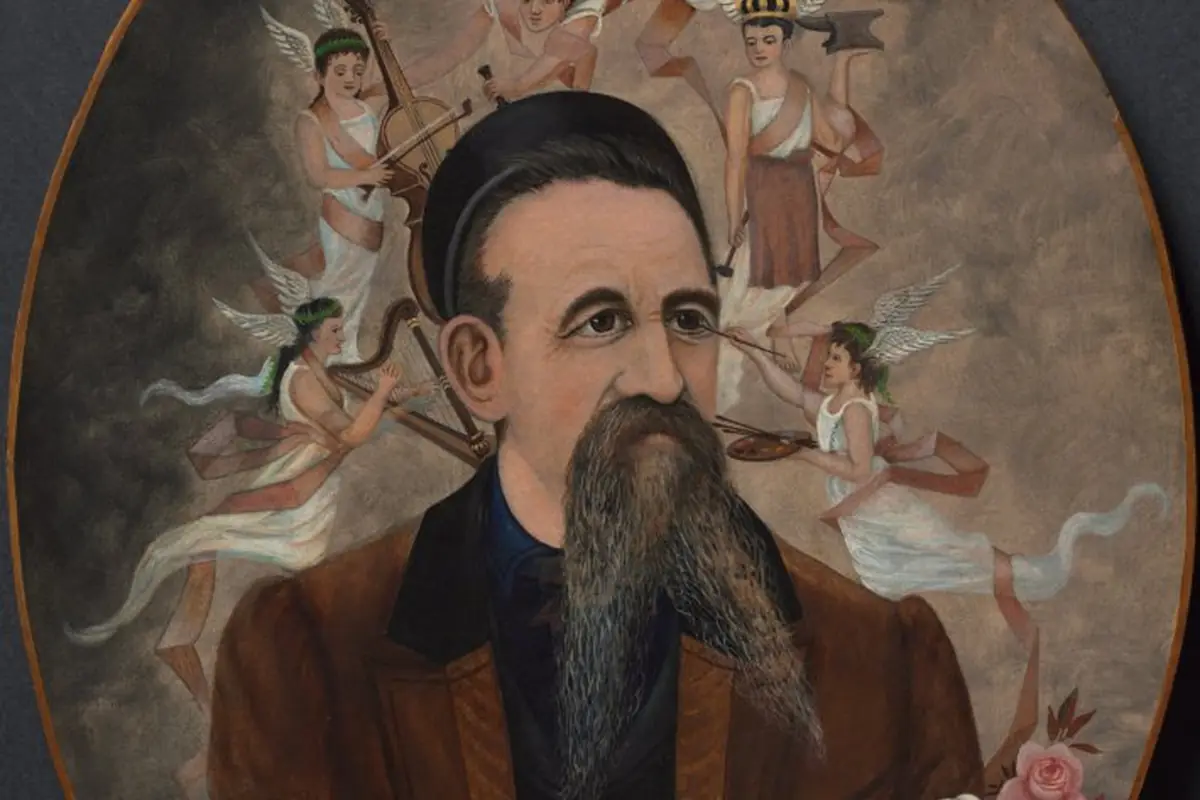
« Copyright is not a brake on the market: it is the reason artists keep creating. »
Vocabulary of intellectual property
- Assignment
- Transfer of rights by contract.
- Licence
- Permission of use.
- Public domain
- Works whose protection has expired.
- Collective management society
- Body managing the rights of many artists.
Frequently asked questions
Who holds the rights after the artist's death?
Their rights holders.
Must I pay to reproduce a work?
As long as it is protected, yes, subject to exceptions.
Does the resale right exist everywhere?
No, in thirty-four Member States.
Where can I find a management body?
In the WIPO section.
Useful documents
Contacts
Related pages
 Copyright and works of artEconomic rights and moral right of the artist, term of protection, exceptions, assignment contracts and reproduction of works in the art market.›
 Resale rightThe royalty paid to the artist or their rights holders on professional resales: principle, scale, beneficiaries, collection and control.›
 WIPO and international treatiesThe World Intellectual Property Organization: treaties, services, cooperation with OIMAP and consequences for the art market.›
Read about copyright
Image credits (22)
- Head of Proserpina, Gian Lorenzo Bernini (1650–1700) — Cleveland Museum of Art, CC0 1.0
- The Shepherd, Paulus Potter (1644) — Cleveland Museum of Art, CC0 1.0
- Carpenter's Plane (1400s) — Cleveland Museum of Art, CC0 1.0
- Presentation Bowl (1900) — Cleveland Museum of Art, CC0 1.0
- Seal of Doge Michele Steno (reverse) (1400–1409) — Cleveland Museum of Art, CC0 1.0
- Fragment of a belt (hizam) (1800s) — Cleveland Museum of Art, CC0 1.0
- London Nomades, John Thomson (1877) — Cleveland Museum of Art, CC0 1.0
- Medal of Claude Joseph Rouget de L'Isle (1760-1836), Alfred Borrel (1911) — Cleveland Museum of Art, CC0 1.0
- Sweet Melancholy, Joseph-Marie Vien (1756) — Cleveland Museum of Art, CC0 1.0
- Artist with His Palette and Brushes (c. 1855) — Cleveland Museum of Art, CC0 1.0
- Arch in Farmyard, Swansea, Calvert Richard Jones (1845) — Cleveland Museum of Art, CC0 1.0
- Sake Pourers with Bamboo and Bellflowers, Seifū Yohei I (c. 1844–57) — Cleveland Museum of Art, CC0 1.0
- Carnet (1863–1865) — Cleveland Museum of Art, CC0 1.0
- The Ghat of Dasaswa Medh, Bénarès, Louis-Théophile Marie Rousselet (1865–68, published 1869–70) — Cleveland Museum of Art, CC0 1.0
- Study for "Bathers at Asnières", Georges Seurat (c. 1883–84) — Cleveland Museum of Art, CC0 1.0
- Letter Box, Ogata Kōrin (1700s) — Cleveland Museum of Art, CC0 1.0
- Self-Portrait with Five Muses, Henry Church (c. 1880) — Cleveland Museum of Art, CC0 1.0
- Maharaja of Kotah Listening to Music and Watching Dancers (c. 1820) — Cleveland Museum of Art, CC0 1.0
- Construction of the John Stewart Store (c. 1856) — Cleveland Museum of Art, CC0 1.0
- Plaque (1500s–1600s) — Cleveland Museum of Art, CC0 1.0
- Seal Color Box (1662–1722) — Cleveland Museum of Art, CC0 1.0
- The Map Maker (c. 1843–45) — Cleveland Museum of Art, CC0 1.0