
 Cleveland Museum of Art · CC0 1.0
A regional relay in Singapore
The Singapore office is OIMAP's branch for Asia-Pacific. It serves the thirteen Member States of the region and acts as a local point of contact for their national focal points.
It hosts the Organization's 19th General Assembly, scheduled in Singapore from 10 to 12 June 2026.
Contact details appear at the bottom of the page. For the list of States served, see the member countries.
Singapore office in figures
Source: Member States Relations Directorate.
The office's missions
The office receives requests from the States of the region, reviews them and forwards them to the competent Headquarters departments. It follows accession files, assistance requests and cross-border reports.
It has no decision-making power of its own: it informs, supports and coordinates, within the framework set by the General Assembly.
The team
The team comprises about a dozen staff members (indicative): State relations officers, trainers, market analysts and support staff. It is led by a head of office, under the authority of the director of Member States relations.
Staff speak the Organization's working languages as well as several languages of the region.
Services provided to States
Each year the office organizes training workshops for customs officers and heritage administration staff. It relays alerts from the Information Bureau on Works and Goods, and facilitates exchanges between focal points.
It also helps States prepare their requests for technical cooperation.
Market monitoring and analysis
The office tracks the evolution of sales in the region: auction houses, online platforms, fairs and private transactions. This monitoring feeds the Organization's annual reports.
The figures produced are always presented as indicative until they have been validated by the Market Observatory Directorate.
Contact details and opening hours
| Information | Details |
|---|---|
| Email address | singapour@oimap.example |
| Opening hours | Monday to Friday, 9:00–17:00 (local time) |
| Languages | French, English, Spanish |
| Attachment | Member States Relations Directorate |
| Audience | Focal points and delegations |
Milestones
- Singapore's accession
A State of the region joins the Organization.
- Opening of the office
Creation of the regional branch (indicative).
- Thirteen States served
Including New Zealand and Kazakhstan.
- General Assembly
Singapore hosts the 19th session.
Office and Desk
Regional office or Headquarters
Singapore office
Proximity- Time zone of the region
- Practical support
- Workshop organization
For day-to-day questions.
Headquarters in Paris
Decision- Accessions and sanctions
- Scale of contributions
- Certification
For substantive decisions.
Contacting the office
- Specify
Your State and your department.
- Write
At the office's address.
- Reach
The relevant documents.
- Wait
The acknowledgement of receipt.
- Follow up
Review of the request.
Before writing to the office
A head of department
« Being on the spot changes everything: we organize a workshop in two weeks instead of two months. »
Office glossary
- Head of office
- Person in charge of the regional branch.
- Workshop
- Training session lasting a few days.
- Delegation
- Group of officials from a Member State.
- Monitoring
- Regular market tracking.
Reception of the public and delegations
The office receives delegations from Member States by appointment, Monday to Friday. It does not handle certification requests, which go through the online Desk.
For press enquiries, write to the same address stating the subject: they are forwarded to Headquarters' communications service.
Frequently Asked Questions
Where is the office?
In Singapore, for the thirteen States of the region.
Can I submit a certification there?
No, use the online Desk.
What are the opening hours?
Monday to Friday, 9:00 to 17:00.
How can it be reached?
By email at singapour@oimap.example.
Useful Documents
Contacts
Related pages
 Asia-PacificThirteen Member States in the Asia-Pacific area, a regional office in Singapore and programmes tailored to the region's major marketplaces.›
 Asia-Pacific member countriesThe thirteen Member States of the region, with their year of accession and how to reach their national focal point.›
 Programmes in Asia-PacificThe training, customs cooperation and restitution programmes conducted with the thirteen Member States of the region.›
 Online request for assistanceSubmit, track and close a request for assistance from OIMAP: form, documents, 15-day response time (indicative) and follow-up.›
View the programmes
Image credits (17)
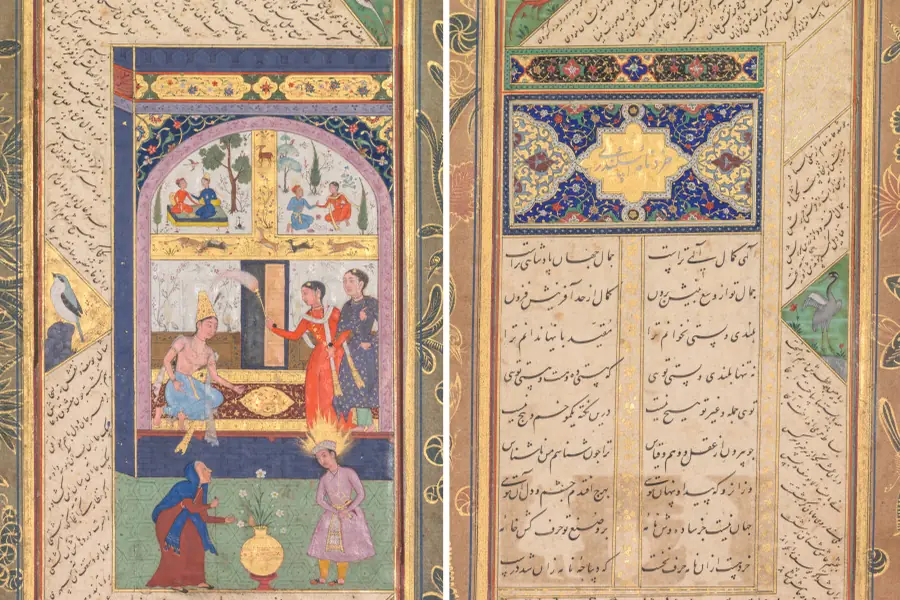
- Zulaykha in her palace and as an old woman with Joseph, from a Panj Ganj (Five Treasures) of Abd al-Rahman Jami (Persian, 1414–1492); verso , Mushfiq (Text copied by Sultan-Ali Mashhadi (Pers) — Cleveland Museum of Art, CC0 1.0
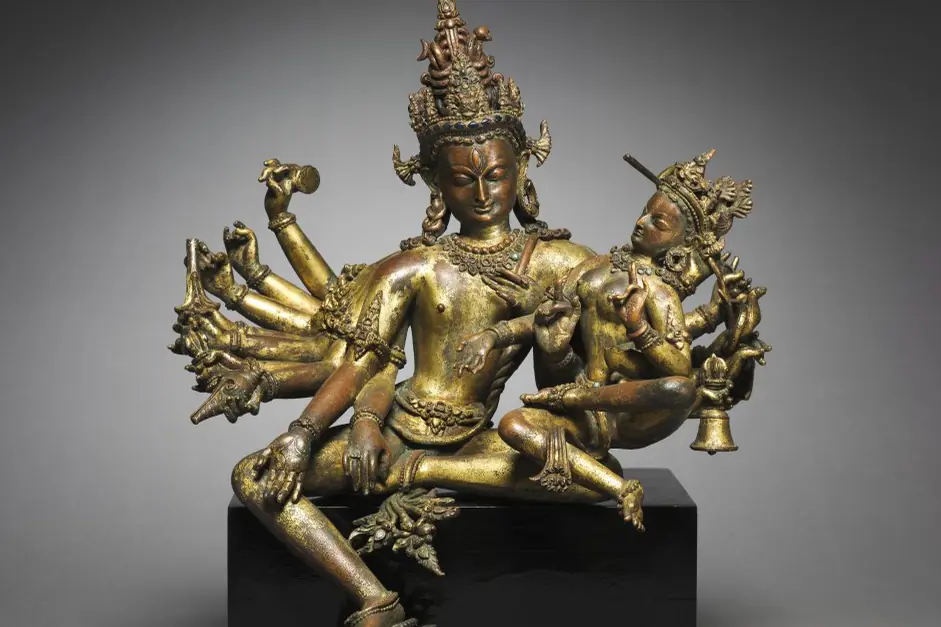
- Kubjika–Navatman (1300s) — Cleveland Museum of Art, CC0 1.0
- Small vase, Chinese (18th century) — The Metropolitan Museum of Art, CC0 1.0
- Treasure Box (Wakahuia) (1800s) — Cleveland Museum of Art, CC0 1.0
- Women Beside a Stream Chasing Fireflies, Chōbunsai Eishi (c. 1796–97) — Cleveland Museum of Art, CC0 1.0
- Two Poplars in the Alpilles near Saint-Rémy, Vincent van Gogh (1889) — Cleveland Museum of Art, CC0 1.0
- Amphora Vase (1723–35) — Cleveland Museum of Art, CC0 1.0
- Lintel with Garuda (875–925) — Cleveland Museum of Art, CC0 1.0
- Stele with Shakyamuni and Maitreya (c. 570s) — Cleveland Museum of Art, CC0 1.0
- Blade from a Ceremonial Adze (1800s) — Cleveland Museum of Art, CC0 1.0
- Gu-Shaped Vase with Patina, Seifū Yohei IV (1914–46) — Cleveland Museum of Art, CC0 1.0
- Pair of Drawings: Sketch of the Labyrinth of the Villa Pisani and Piazza San Marco with Doges' Palace, Francesco Guardi (1773–1778(?)) — Cleveland Museum of Art, CC0 1.0
- Oil Bottle (1100s–1200s) — Cleveland Museum of Art, CC0 1.0
- Seated Buddha (1000s) — Cleveland Museum of Art, CC0 1.0
- Seated Buddha (lotus pedestal) (1100s) — Cleveland Museum of Art, CC0 1.0
- St. Anthony Reading, Albrecht Dürer (1519) — Cleveland Museum of Art, CC0 1.0
- A Calm Watering Place—Extensive and Boundless Scene with Cattle, Alvan Fisher (1816) — Cleveland Museum of Art, CC0 1.0