
 Cleveland Museum of Art · CC0 1.0
Pages in this section
 PrinciplesIndependence, traceability, mutual recognition: the principles that guarantee the value of an OIMAP certificate.›
 ProcessFrom creating the account to issue of the certificate: the complete course of a certification application, with timeframes and statuses.›
 PricesIndicative scale of certification acts, laboratory analysis fees, reductions and payment terms.›
Understanding certification
Before opening a file, you only need to remember three things: what a certificate rests on, how an application proceeds and what it costs.
This section presents the overall logic. It is aimed at collectors, galleries, auction houses, museums and administrations discovering the process or wishing to compare it with their practices.
Three pages detail each point: the principles, the process and the fees.
In brief
Three pages to understand everything
Who certification is for
Certification is open to any natural or legal person who holds or manages a work: private collectors, galleries, auction houses, foundations, museums, administrations and heirs.
The declarant must prove their identity and their right to act on the work. An agent may file on the owner's behalf, with a written mandate.
The families of acts
| Need | Act to request | Heading |
|---|---|---|
| Prove who created the work | Certificate of authenticity | Authenticity |
| Trace the history of the work | Provenance certificate | Provenance |
| Have ownership recognised | Title of ownership | Title |
| Have the work travel | Import and export licence | Licence |
| Document condition and insurance | Conservation report | Conservation |
The five stages of an application
- Account and file
Creation of the Desk account and description of the work.
- Admissibility
Checking of documents within 5 working days.
- Expertise
Appointment of an independent accredited expert.
- Committee opinion
Reasoned decision, accepted or refused.
- Issuance
Certificate signed, sealed, entered in the Registry.
The Registry, the anchor of everything
Individual or institution
Individual
Collector, heir, patron- Full rate
- 30% deposit on opening
- Support from the online Desk
Choose the acts useful for your project.
Public institution
Museum, administration of a Member State- 30% reduced rate
- Priority processing of acquisitions
- Dedicated contact at the Secretariat
Proof of status required.
Typical timeline of an authenticity file
- Opening
Filing of the file and payment of the deposit.
- Admissibility
The file is judged complete or a supplement is requested.
- Expert appointed
Contact and scheduling of the examination.
- Analyses
Visual examination, imaging, laboratory analyses.
- Committee opinion
Reasoned decision.
- Issuance
Handing over of the certificate and entry in the Registry.
Questions to ask yourself before starting
What professionals say
« A well-prepared file saves three weeks: everything is decided at admissibility. »
Vocabulary of the application
- Admissibility
- Completeness check of the file before appointing the expert.
- Deposit
- Part of the fee paid on opening, i.e. 30%.
- Reasoned opinion
- Written conclusion of the expert, with their analyses and sources.
- Review
- New study of the file at the declarant's request, within 30 days.
Frequently asked questions
Where to start?
By creating an account on the Create an account page, then registering the work.
Can I follow my file?
Yes, online, with the file number: see Track a file.
Are the fees final?
The published fees are indicative; the final quote is drawn up at admissibility.
Can a work already certified elsewhere be certified again?
Yes. Certificates from other bodies are added to the file as information, with no automatic effect.
Useful documents
Contacts
Related pages
 Request a certificationCreate an account, submit a case, follow its progress: everything is done online at the OIMAP Desk.›
 Registration of a workEntering a work in the OIMAP Registry: unique number, certified description and work passport, first step of any certification.›
 Accredited expertsThe network of 360 independent experts who examine works: accreditation, specialties, ethics and public directory.›
Take action
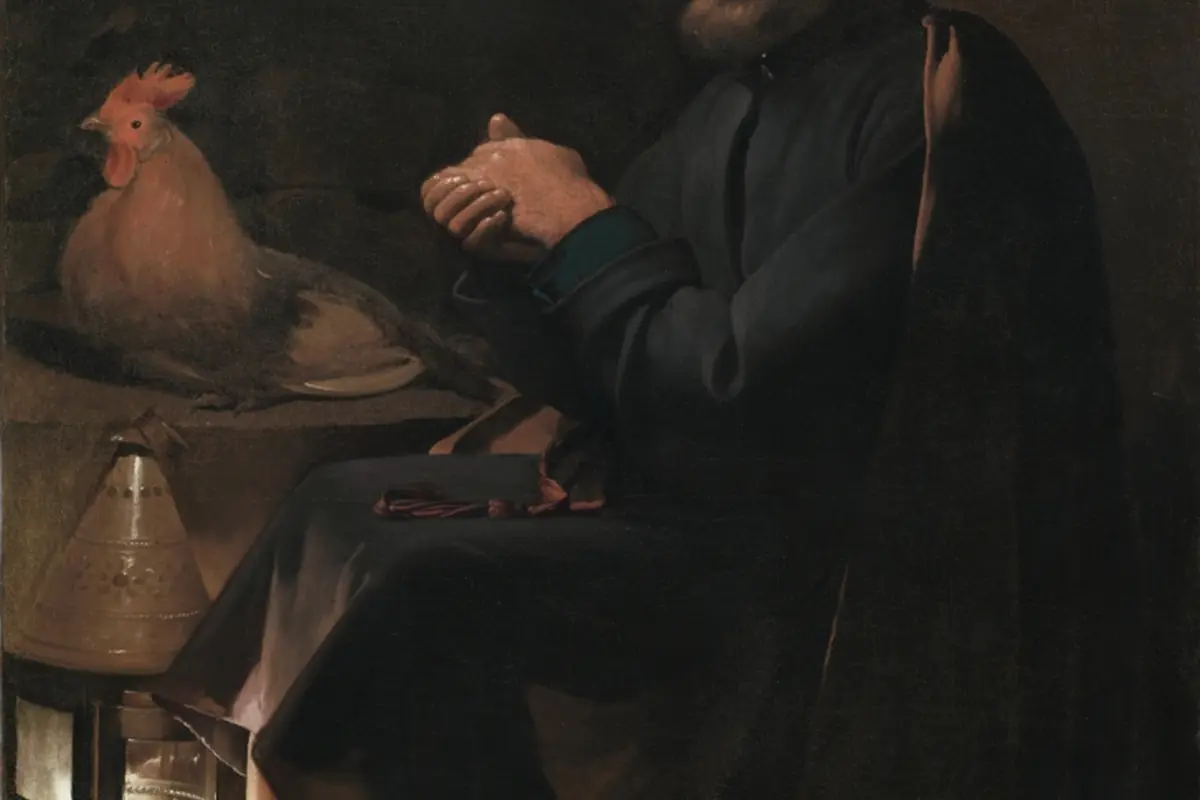
Image credits (22)
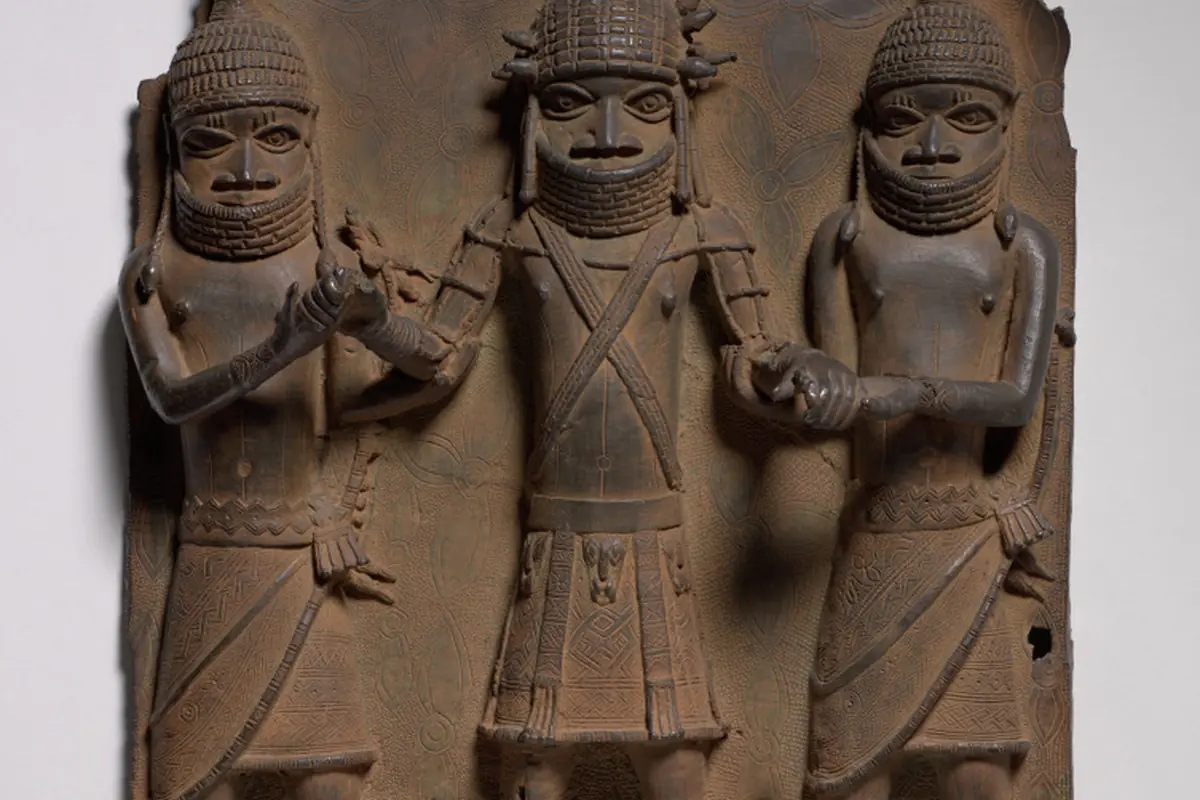
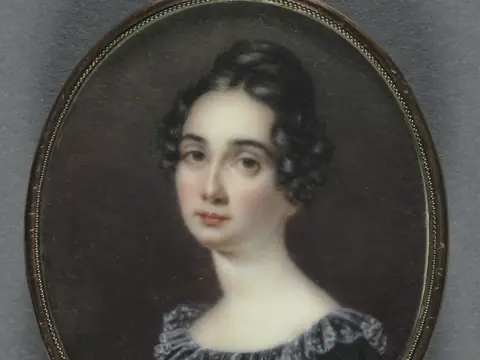
- Panel (c. 1780–1840) — Cleveland Museum of Art, CC0 1.0
- Farmhouse on the Slope of a Hill, Fra Bartolommeo (c. 1508) — Cleveland Museum of Art, CC0 1.0
- Twilight in the Wilderness, Frederic Edwin Church (1860) — Cleveland Museum of Art, CC0 1.0
- Coin of Demetrios, I (reverse) (200–190 BCE) — Cleveland Museum of Art, CC0 1.0
- Plaque (1500s–1600s) — Cleveland Museum of Art, CC0 1.0
- Edge of the Woods Near L'Hermitage, Pontoise, Camille Pissarro (1879) — Cleveland Museum of Art, CC0 1.0
- Interior of a Synagogue, Alessandro Magnasco (c. 1725–35) — Cleveland Museum of Art, CC0 1.0
- The Four Seasons, Kano Tan’yū (1668) — Cleveland Museum of Art, CC0 1.0
- Seal Color Box (1662–1722) — Cleveland Museum of Art, CC0 1.0
- Portrait of a Man, Gustave Caillebotte (1880) — Cleveland Museum of Art, CC0 1.0
- The Lock at Pontoise, Camille Pissarro (1872) — Cleveland Museum of Art, CC0 1.0
- Gathering among the Members of Office Censor-General (1700s) — Cleveland Museum of Art, CC0 1.0
- Seal Color Box (1662–1722) — Cleveland Museum of Art, CC0 1.0
- Adoration of the Shepherds, Carlo Dolci (c. 1670) — Cleveland Museum of Art, CC0 1.0
- Bidri Hookah Bowl with Roses (c. 1650s) — Cleveland Museum of Art, CC0 1.0
- The Triumph of Mordecai, Lucas van Leyden (1515) — Cleveland Museum of Art, CC0 1.0
- Lace Towel End (c. 1700s–1800s) — Cleveland Museum of Art, CC0 1.0
- A Palace with an Arched Bridge (A Roman Villa), Hubert Robert (1760) — Cleveland Museum of Art, CC0 1.0
- Chemin de fer de Toulouse à Bayonne. Pont de l'Aran (en trois arches de 17m d'ouverture chacune). Situation des travaux au 21 juillet 1861, Édouard Baldus (1861) — Cleveland Museum of Art, CC0 1.0
- Letter Box, Ogata Kōrin (1700s) — Cleveland Museum of Art, CC0 1.0
- Portrait of a Woman, Anna Claypoole Peale (1820) — Cleveland Museum of Art, CC0 1.0
- Saint Peter Repentant, Georges de La Tour (1645) — Cleveland Museum of Art, CC0 1.0