
 Cleveland Museum of Art · CC0 1.0
Pages in this section
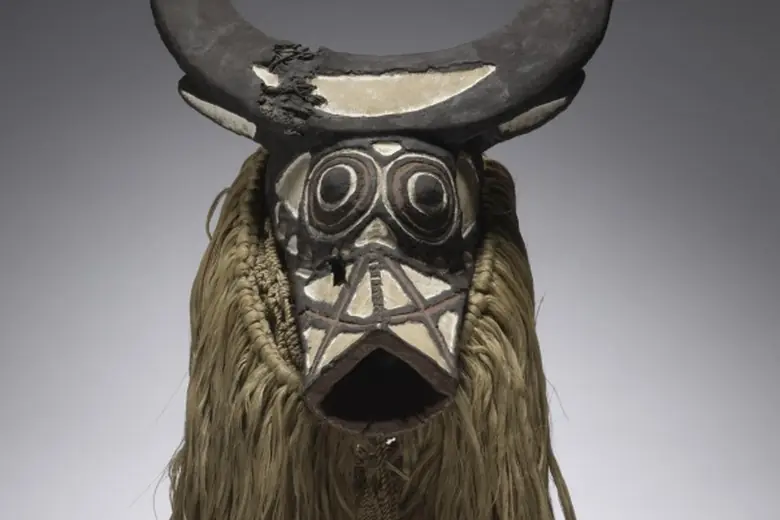
 Arts of AfricaThe market for African arts: masks, statues, royal objects, provenance, authenticity and restitutions.›
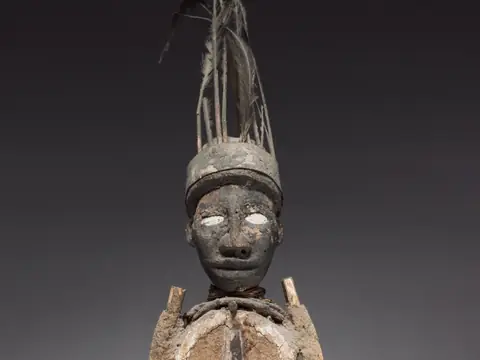
 Arts of OceaniaThe market for the arts of Oceania: sculptures, adornments, ceremonial objects, provenance and precautions.›
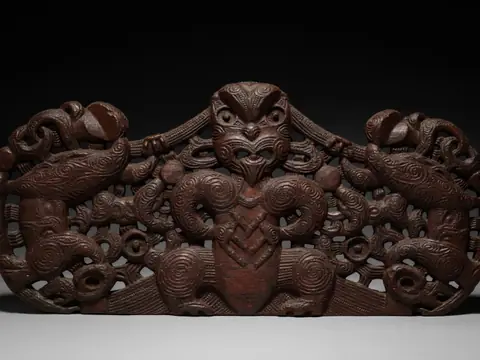
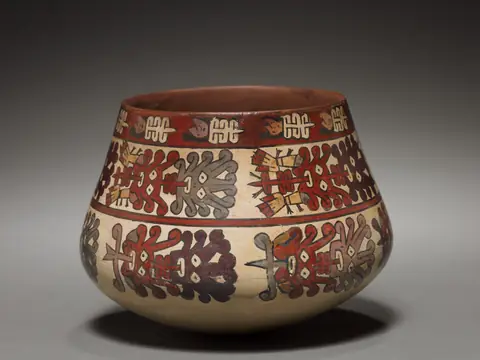 Arts of the AmericasThe market for pre-Columbian and indigenous arts of North and South America, between law and ethics.›
The most dynamic segment of 2024
Tribal art accounts for €5.4 billion in 2024, i.e. 8% of the market. Its index rises by 9.4%, the strongest rise of all segments.
The term covers creations from Africa, Oceania and the Americas, often old, sometimes from ritual or colonial contexts. This market is the most sensitive to questions of ethics and provenance.
This section is organised in three pages: Africa, Oceania and the Americas.
Tribal art in figures
Source: OIMAP Observatory.
Three groups
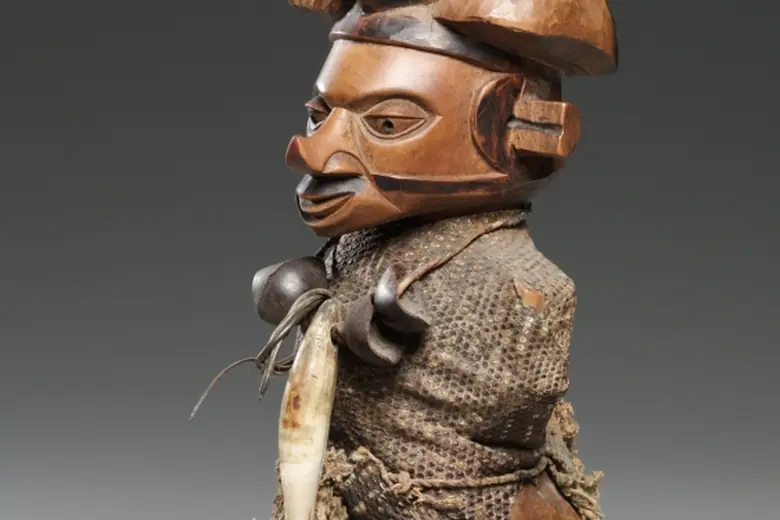
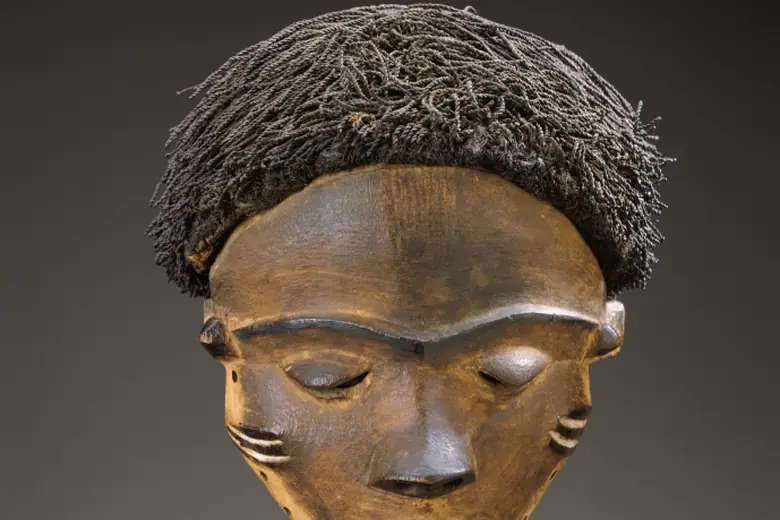
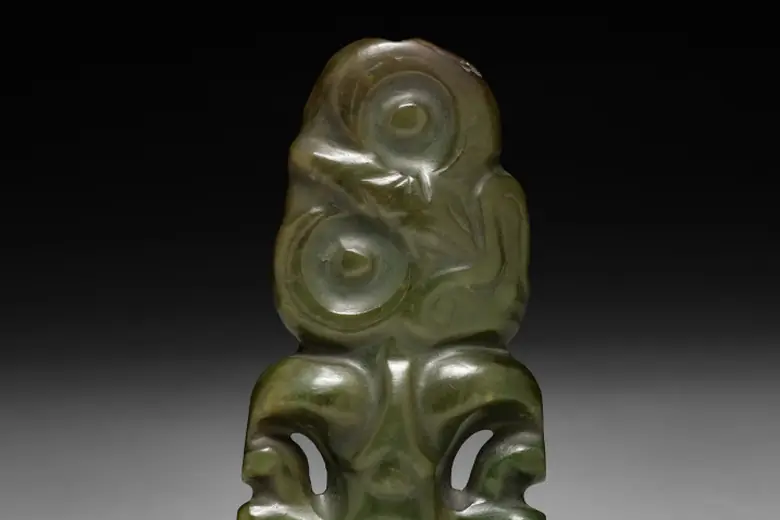
A market transformed by provenance
For a long time, tribal art was sold on aesthetics and rarity alone. Today's buyers ask for documented provenance, which establishes how and when the object left its country of origin. Objects with a clear history have seen their prices rise; those with a patchy history have been marked down.
The royal Songye Mask, sold for €38.7 million, owes its price to impeccable provenance: collected in 1910 by a missionary whose archives are preserved, it belonged to three successive collectors, all documented.
Restitutions and ethics
Since 2012, 847 works have been returned to their countries of origin, several with OIMAP's support. The Member States have adopted a restitution charter, which frames requests, sets up review commissions and promotes negotiated solutions.
For a buyer, this means that an acquired work must be able to withstand a provenance review. OIMAP recommends never buying a piece of archaeological origin without an export authorisation from the country of origin.
The voice of the countries of origin
Increasingly, countries of origin take part in decisions concerning their heritage. They create museums, publish inventories and demand provenance documents. Several of them have become OIMAP members and sit on its commissions.
This development is transforming the market, making it more transparent and more respectful. It also creates new opportunities: cooperation between museums, long-term loans, training programmes.
Price factors in tribal art
| Factor | Effect on price | Remark |
|---|---|---|
| Documented provenance | +15 to +40% | Most decisive criterion |
| Age and ritual use | +10 to +30% | Material evidence required |
| Famous collection | +20 to +50% | Pedigree |
| Heavy restoration | −10 to −35% | Discount |
| Gap in provenance | −20 to −60% | Risk of claim |
Landmarks
- First export laws
Tightening of controls.
- First OIMAP restitution
A pilot case.
- Restitution charter
Common procedure.
- +9.4%
Strongest rise of the segments.
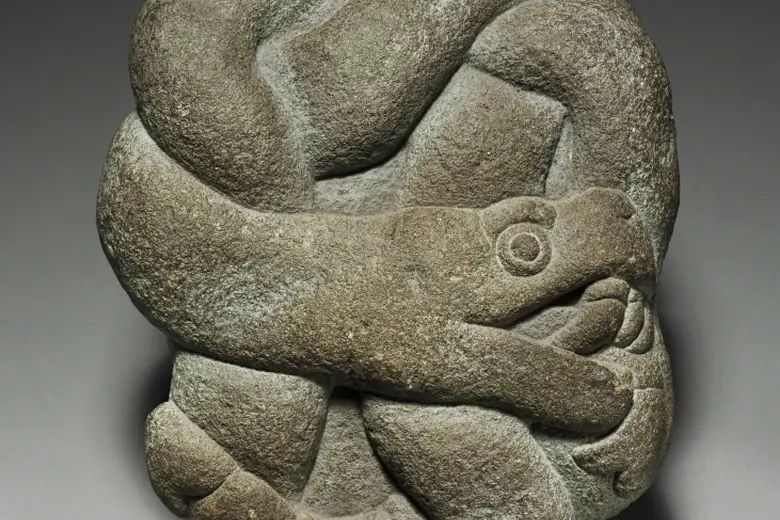
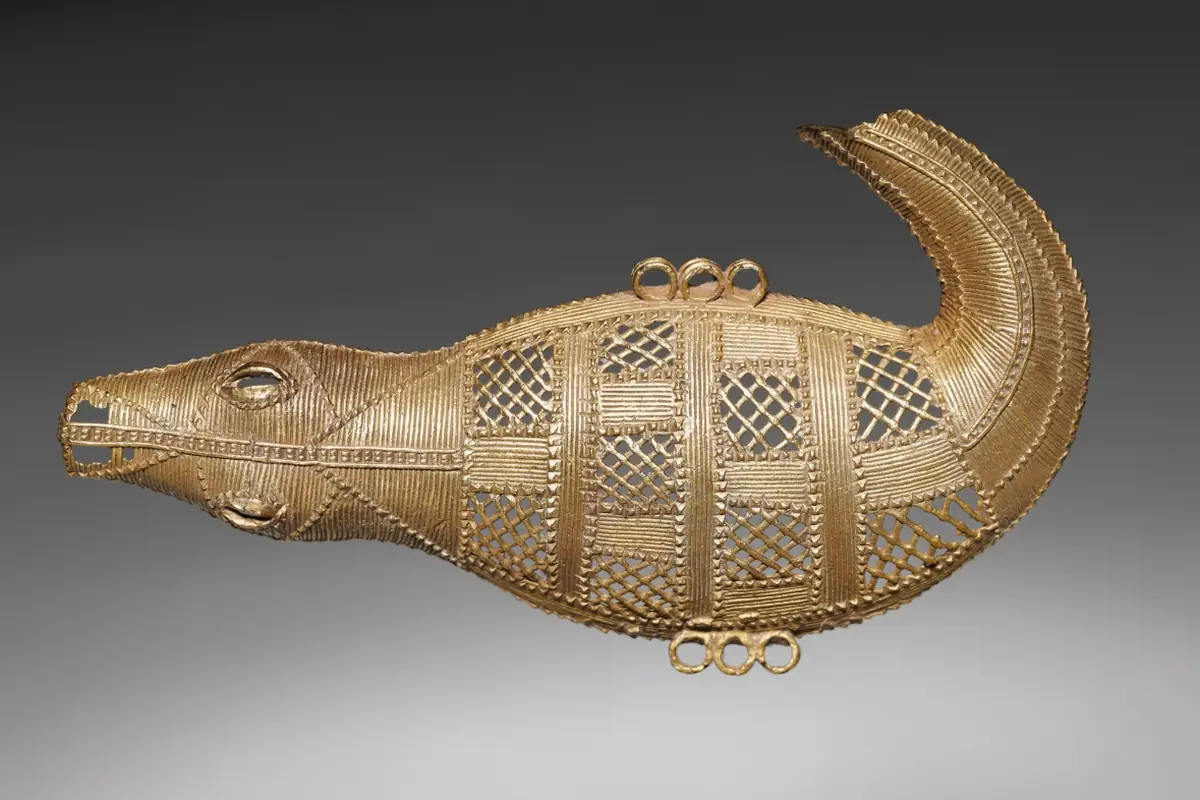
Archaeological and ritual pieces
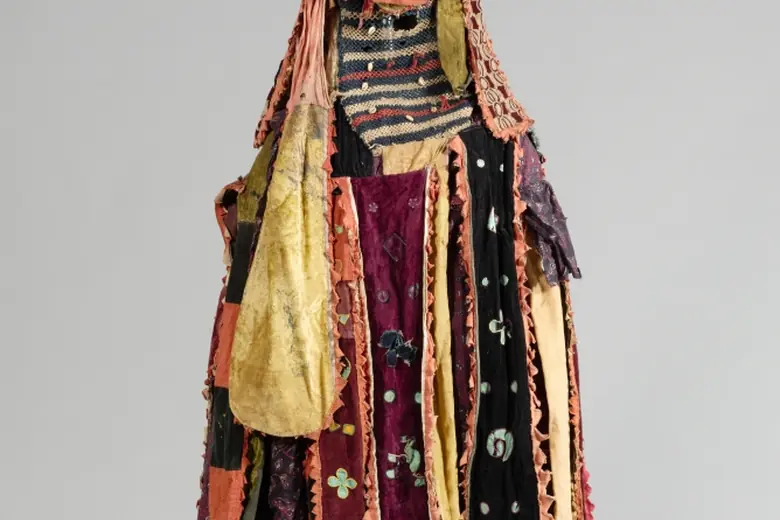
Old object or recent object
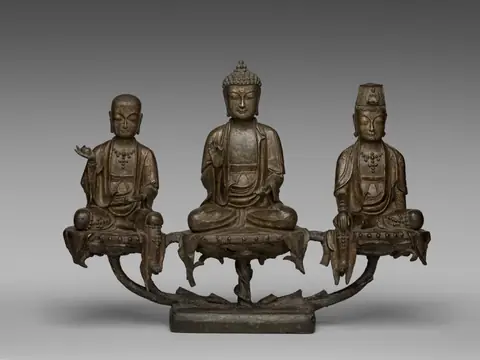
Old
Before 1950- High prices
- Provenance decisive
- Very tightly regulated market
For informed collectors.
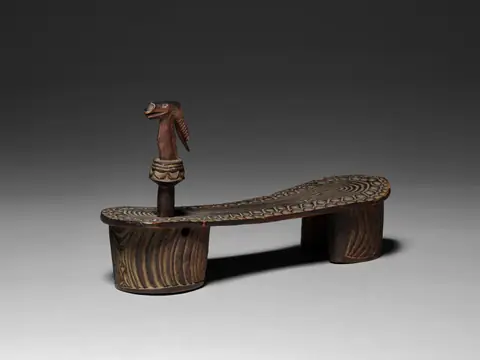
Recent
After 1950- Accessible prices
- Artists sometimes identified
- Fewer legal constraints
For a first purchase.
Acquiring an object with confidence
- Identify
Origin, ethnic group, period, use.
- Document
Provenance since collection.
- Check
Consult BIOP and the legislation of the country of origin.
- Certify
Authenticity and conservation.
- Register
Work passport.
Questions to ask the seller
A tribal art expert
« An object is worth first what it has lived through. Provenance is its biography. »
Vocabulary of tribal art
- Collection
- Acquisition of an object in the field.
- Restitution
- Return of property to its country of origin.
- Pedigree
- Prestigious history of an object.
- Ritual object
- Object used in a ceremony.
Frequently asked questions
Why is this segment rising?
Better traceability, new demand from Asia and the Middle East.
Do restitutions threaten the market?
They structure it: well-documented objects gain in value.
Where can I report a suspect object?
To the BIOP.
Where can I read the charter?
In the Protection section.
Useful documents
Contacts
Related pages
 Arts of AfricaThe market for African arts: masks, statues, royal objects, provenance, authenticity and restitutions.›
 Arts of OceaniaThe market for the arts of Oceania: sculptures, adornments, ceremonial objects, provenance and precautions.›
 Arts of the AmericasThe market for pre-Columbian and indigenous arts of North and South America, between law and ethics.›
 BIOP databaseThe international database of protected works: 48,200 stolen, lost or suspect works, searchable by all and enriched by police forces and museums.›
Explore Africa
Image credits (23)
- Buffalo Mask (early to mid-1900s) — Cleveland Museum of Art, CC0 1.0
- Power figure (nkisi) (late 1800s-early 1900s) — Cleveland Museum of Art, CC0 1.0
- Door Lintel (Pare) (1800s) — Cleveland Museum of Art, CC0 1.0
- Vessel with Abstract Heads (100 BCE–700 CE) — Cleveland Museum of Art, CC0 1.0
- Tapa Cloth (Before 1971) — Cleveland Museum of Art, CC0 1.0
- Female Bowl-Bearing Figure (lid) (late 1800s-early 1900s) — Cleveland Museum of Art, CC0 1.0
- Seated Figurine (c. 1400–1540) — Cleveland Museum of Art, CC0 1.0
- Beaded Necklace (c. 1900) — Cleveland Museum of Art, CC0 1.0
- Figure (kiteki) (late 1800s–mid-1900s) — Cleveland Museum of Art, CC0 1.0
- Female Mask (Gambanda or Kambanda) (early 1900s) — Cleveland Museum of Art, CC0 1.0
- Pendant (Hei-tiki) (1800s) — Cleveland Museum of Art, CC0 1.0
- Egúngún Masquerade Dance Costume (1900s) — Cleveland Museum of Art, CC0 1.0
- Coiled Rattlesnake (c. 1200–1519) — Cleveland Museum of Art, CC0 1.0
- Pendant: Crocodile (1930 or earlier) — Cleveland Museum of Art, CC0 1.0
- Amitabha Triad (1400s) — Cleveland Museum of Art, CC0 1.0
- Sandal (mtalawanda / mtawanda) or Clog (kiatu cha mti) (c 1800s) — Cleveland Museum of Art, CC0 1.0
- Disk Pendant (akrafokɔnmu) (1800s, before 1896) — Cleveland Museum of Art, CC0 1.0
- The Grotto of Posillipo, Hubert Robert (c. 1769) — Cleveland Museum of Art, CC0 1.0
- Bull Head Attachment (c. 700–600 BCE) — Cleveland Museum of Art, CC0 1.0
- Panel with Royal Woman, K’in Lakam Chahk (c. 795) — Cleveland Museum of Art, CC0 1.0
- Embroidered Panel: Holy Kinship (1500s) — Cleveland Museum of Art, CC0 1.0
- Seal with Two Qilin Playing (1849) — Cleveland Museum of Art, CC0 1.0
- Llama Vessel (c. 200–550 CE) — Cleveland Museum of Art, CC0 1.0