
 Cleveland Museum of Art · CC0 1.0
Pages in this section
 PaintingThe market's leading segment: €25.8 billion in 2024, from old masters to modern painting.›
 SculptureThe sculpture segment: €9.5 billion in 2024, from edition bronzes to monumental pieces.›
 FurnitureThe furniture and objets d'art segment: €12.2 billion in 2024, a market of volume and specialists.›
Who weighs what in the market
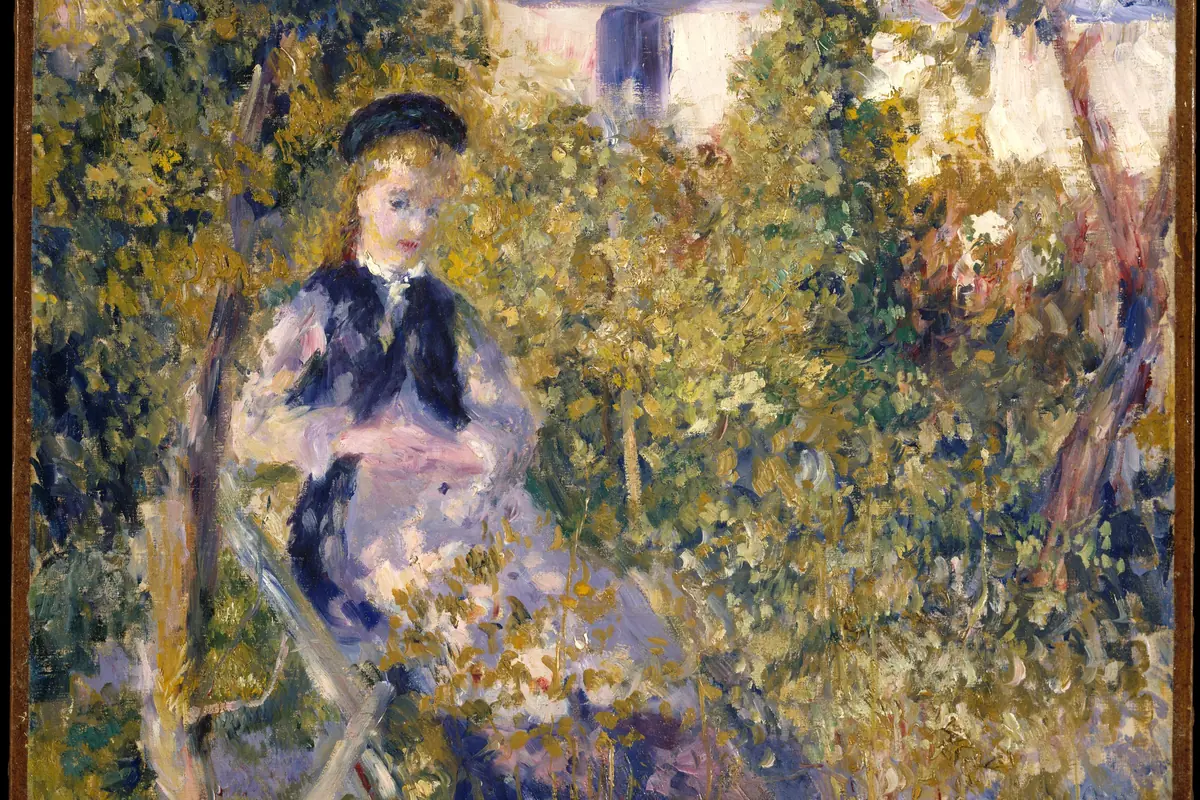
Painting accounts for 38% of global volume in 2024, ahead of contemporary art (22%), furniture and other objects (18%), sculpture (14%) and tribal art (8%).
The breakdown by segment is one of the Observatory's most cited figures. It makes it possible to understand where value is concentrated, but also where the growth margins lie.
Three pages detail segments: painting, sculpture and furniture. Other segments are covered in their own sections.
The segments in 2024
Share of transaction volume.
Defining a segment
A segment groups works of comparable nature and market. The Observatory's nomenclature uses five, based on the customs classification and that of auction houses. Painting includes oils, watercolours, gouaches and pastels. Sculpture covers three-dimensional works, including edition bronzes.
The "furniture and other" segment brings together antique furniture, glass, ceramics, silverware and objets d'art. Tribal art groups the productions of Africa, Oceania and the Americas. Contemporary art is defined by the artist's date of birth, after 1945.
The same work can belong to only one segment. When classification is ambiguous, the Observatory adopts the dominant criterion, documented in the nomenclature.
Volume and number of lots
| Segment | Volume | Share | Lots sold |
|---|---|---|---|
| Painting | €25.8bn | 38% | 910,000 |
| Contemporary art | €14.9bn | 22% | 780,000 |
| Furniture and other | €12.2bn | 18% | 980,000 |
| Sculpture | €9.5bn | 14% | 420,000 |
| Tribal art | €5.4bn | 8% | 310,000 |
Change in the weight of segments
- Painting at 46%
The segment clearly dominated.
- Contemporary at 17%
Arrival of new collectors.
- Tribal art at 6%
Better traceability.
- Painting at 38%
Broader balance.
Two ways of weighing
Value segments and volume segments
Value segments
Painting, sculpture- High median price
- Few lots
- Concentrated records
High unit value.
Volume segments
Furniture, objets d'art- Modest median price
- Many lots
- More scattered market
High activity.
How a work is classified
- Description
The operator describes the work in the declaration.
- Code
A nomenclature code is assigned.
- Verification
The Observatory checks consistency.
- Aggregation
The sale is attached to its segment.
Comparing segments

A dealer
« Segments are not boxes: a bronze may be sold as an objet d'art or as sculpture. »
Vocabulary of segments
- Segment
- Category of works tracked separately.
- Nomenclature
- Official list of categories.
- Lot
- Unit of sale.
- Market share
- Weight of a segment in the volume.
How to use the breakdown
The breakdown by segment first serves to place a market. A gallery owner working in contemporary art can compare their turnover with the growth of their segment. An administration can measure the tax weight of each category of works. An insurer can adjust premiums according to the volatility observed.
It also serves to spot underlying shifts. When a segment gains two points of share in three years, it is often a sign of a change in taste or a lasting change in demand, and not a mere effect of the economic cycle.
Frequently asked questions
Where can I see the detail of a segment?
In the dedicated sections: Painting, Contemporary art, Tribal art.
Does the nomenclature change?
Rarely: any change is announced a year in advance.
Do NFTs form a segment?
No, they are tracked separately.
Can historical shares be downloaded?
Yes, in the databases.
Useful documents
Contacts
Related pages
 PaintingThe market's leading segment: €25.8 billion in 2024, from old masters to modern painting.›
 SculptureThe sculpture segment: €9.5 billion in 2024, from edition bronzes to monumental pieces.›
 By segmentThe global index broken down into five segments: painting, contemporary art, sculpture, furniture and tribal art.›
See painting
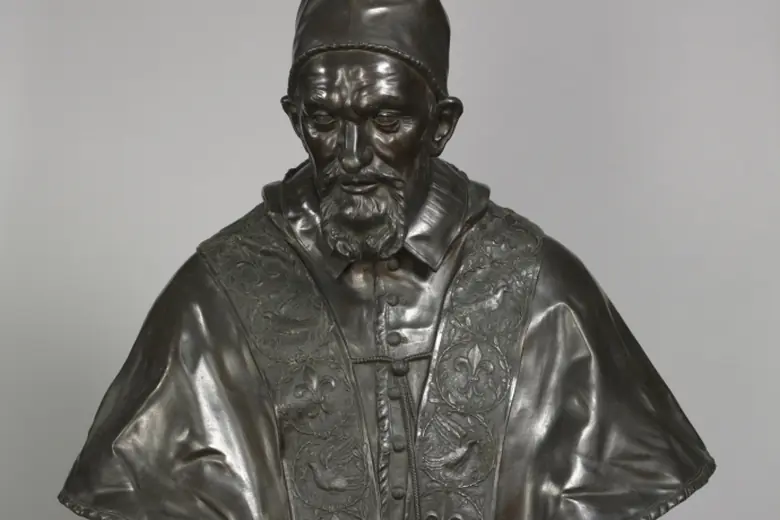
Image credits (19)
- Christ in the Garden of Gethsemane, Hans Daucher (1500s) — Cleveland Museum of Art, CC0 1.0
- Figure from a Crèche: Standing Man (1780–1830) — Cleveland Museum of Art, CC0 1.0
- Relief of Apollo with Nike (27 BCE–14 CE) — Cleveland Museum of Art, CC0 1.0
- Offering Table (305–30 BCE) — Cleveland Museum of Art, CC0 1.0
- Nini in the Garden (Nini Lopez), Auguste Renoir (1876) — The Metropolitan Museum of Art, CC0 1.0
- Plate, Ferrat Factory (c. 1775) — Cleveland Museum of Art, CC0 1.0
- Head of a Woman (400–200 BCE) — Cleveland Museum of Art, CC0 1.0
- Buckle with Animal-Shaped Thorn and Belt Plate (400s CE) — Cleveland Museum of Art, CC0 1.0
- Terpsichore Lyran (Muse of Lyric Poetry), Antonio Canova (1816) — Cleveland Museum of Art, CC0 1.0
- Still Life with Vegetables, Partridge, and a Jug, Adolphe-Félix Cals (1858) — Cleveland Museum of Art, CC0 1.0
- Seated Buddha (sculpture) (1100s) — Cleveland Museum of Art, CC0 1.0
- Bowl from Nesting Bowls with Daoist Immortals, Seifū Yohei III (1893–1914) — Cleveland Museum of Art, CC0 1.0
- Relief Portrait Head of the Emperor Balbinus (c. 238 CE) — Cleveland Museum of Art, CC0 1.0
- Clasp Set with Semiprecious Stones (324–26 CE) — Cleveland Museum of Art, CC0 1.0
- The Apotheosis of Romulus: Design for a Ceiling, Domenico Maria Canuti (c. 1675–76) — Cleveland Museum of Art, CC0 1.0
- Adoration of the Shepherds, Bernardo Cavallino (c. 1650) — Cleveland Museum of Art, CC0 1.0
- Nymphs and a Satyr (Amor Vincit Omnia), Nicolas Poussin (c. 1625–27) — Cleveland Museum of Art, CC0 1.0
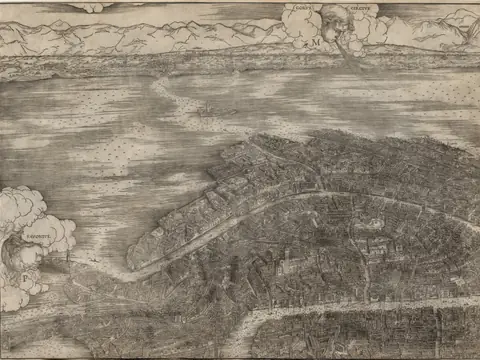
- View of Venice, Jacopo de' Barbari (1500) — Cleveland Museum of Art, CC0 1.0
- Portrait of Pope Innocent X Pamphili, Alessandro Algardi (designed 1647–48; cast 1650–1700) — Cleveland Museum of Art, CC0 1.0