
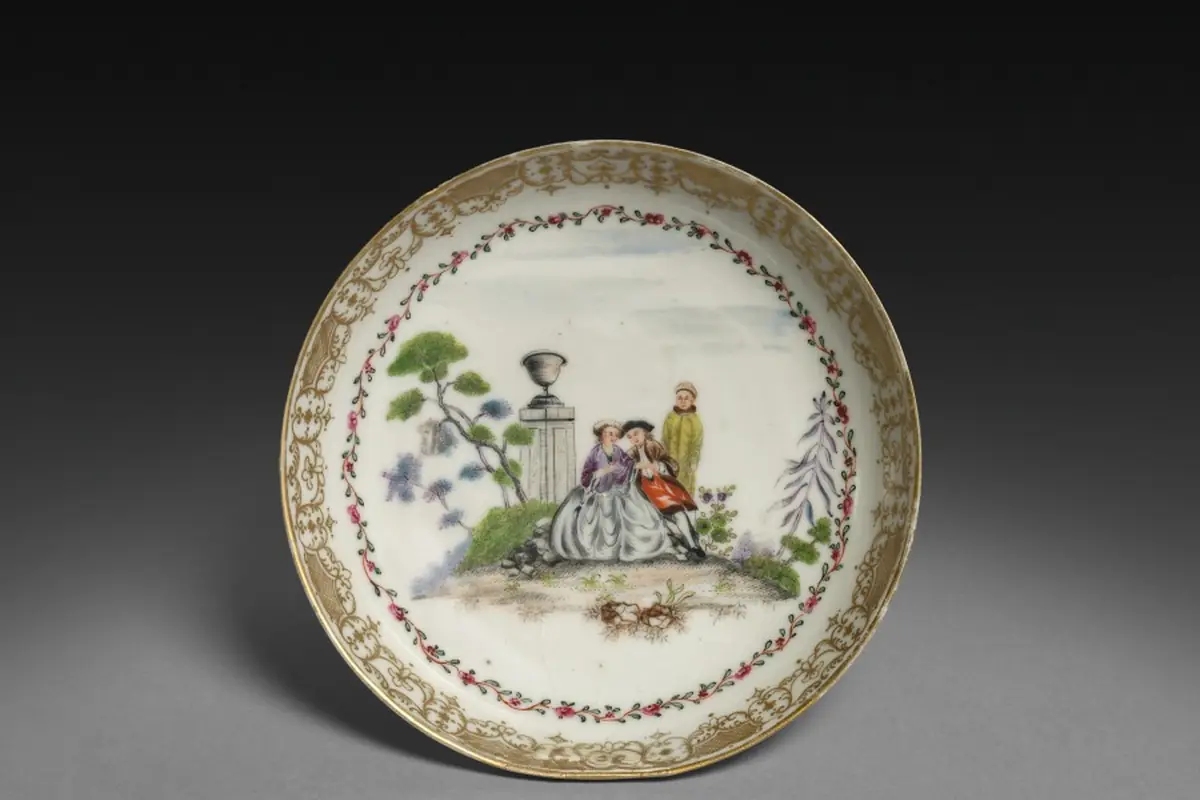
 Cleveland Museum of Art · CC0 1.0
The world of fairs
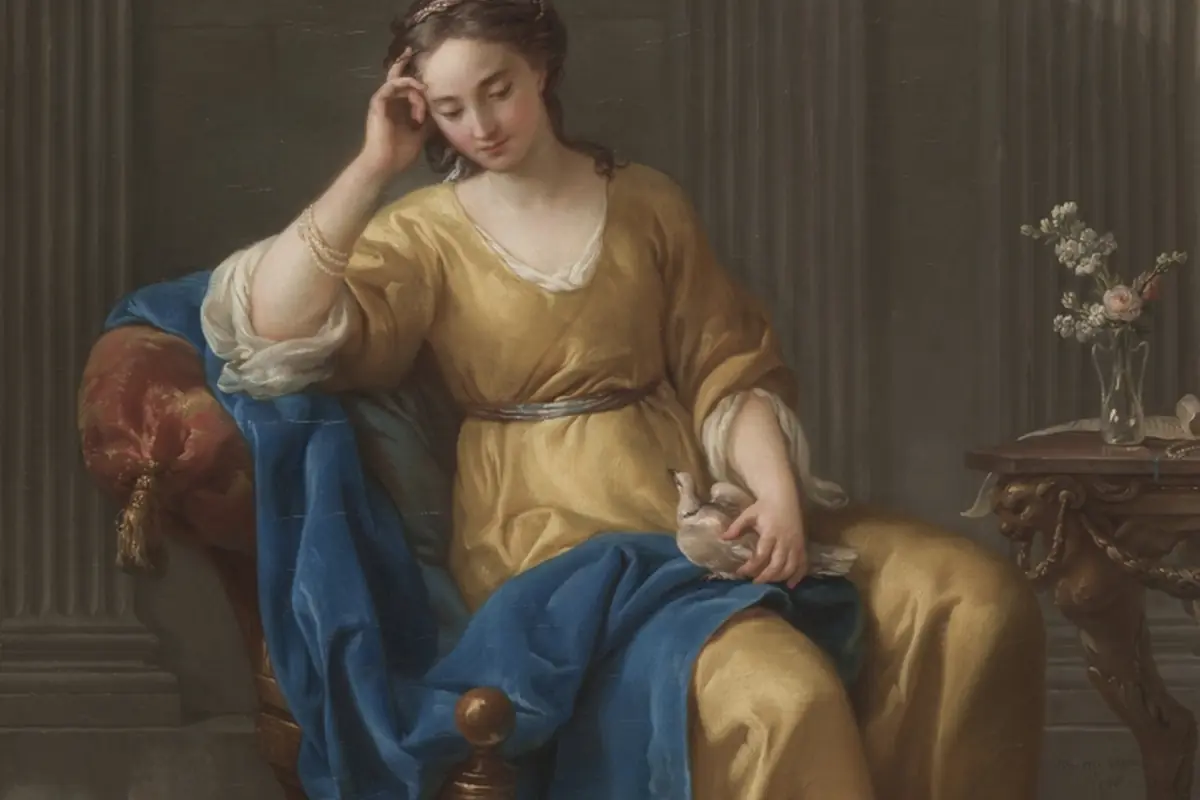
Art fairs bring together galleries, dealers and collectors for a few days. The OIMAP calendar lists some forty a year, from major international fairs to specialised shows in tribal art, decorative arts or antiquarian books.
Organisers declare their dates at the start of the year. They undertake to apply the Organisation's due diligence for exhibitors: documented provenance, no BIOP alert, licences in order.
Fairs complement public sales and private sales.
Art fairs in figures
Source: Events and Communications Directorate.
The annual calendar
The annual calendar is published in January, then updated every week. Each entry gives the name of the fair, the city, the dates, the intended audience — trade or general public —, the specialty and the organiser's website.
Fairs that do not meet the due diligence commitments may be removed from the calendar as a precautionary measure.
Organisers' commitments
Organisers declare their fair at least thirty days in advance, undertake to request a provenance certificate for the most prominently displayed works, display the OIMAP charter and report any incident to the authorities.
A due diligence officer is appointed for each fair. The officer answers questions from visitors and authorities and receives training from the Academy.
On-site checks
For the largest fairs, OIMAP agents and customs officers may inspect the stands. They check that documents are present, compare works against the BIOP registry and advise exhibitors.
These checks are announced to organisers and are carried out with respect for visitors and exhibitors.
Advice for exhibitors
Exhibitors prepare their file in advance: work records with provenance, certificates of authenticity, export permits. They keep these documents at the stand and can show them on request.
An exhibitor who receives a BIOP alert must withdraw the work from the stand without delay and inform the organiser.
Types of fairs (indicative)
| Type | Audience | Example of specialty |
|---|---|---|
| International fair | Trade and collectors | Modern and contemporary art |
| Specialised show | Informed enthusiasts | Tribal art |
| Regional fair | General public | Decorative arts |
| Online show | All | Antiquarian books |
Milestones
- Annual calendar
Publication.
- Declaration
Notice period.
- Checks
If necessary.
- Review
Incidents reported.
Due diligence charter
Exhibitor or visitor
Exhibitor
Presents works- Documents up to date
- Possible inspection
- BIOP alert
To sell with confidence.
Visitor
Buys or browses- Right to ask for documents
- Free verification
- Itemised invoice
To buy safely.
Preparing for your fair
- Declare
Your stand.
- Gather
The documents.
- Check
In BIOP.
- Exhibit
With the charter.
- Keep
The supporting documents.
Exhibitor's checklist
An organiser
« The due diligence charter has earned us the trust of new exhibitors, who are more demanding about their own documents. »
Fair vocabulary
- Due diligence officer
- Person responsible for compliance with the rules.
- Charter
- Posted commitment.
- Stand
- An exhibitor's space.
- Precautionary measure
- Provisional decision.
Advice for visitors
Visitors may ask to see the provenance documents for a work, check its OIMAP number and report an anomaly to the organiser. Purchases must be accompanied by an itemised invoice and a certificate.
For major purchases, it is advisable to ask for a period of reflection and to have the work examined by an accredited expert.
Frequently asked questions
Are fairs sold by the OIMAP?
No.
Can a work be checked?
Yes, via BIOP.
How do I report an anomaly?
To the organiser or the Directorate.
Where can I see public sales?
See Public sales.
Useful documents
Contacts
Related pages
 Sales calendarPublic sales, declared private sales and art fairs: an information calendar fed by approved auction houses.›
 Public salesThe calendar of auctions declared by approved auction houses: search, sale pages, catalogues and vigilance.›
 Private salesPrivate treaty sales declared by approved auction houses: confidentiality, data aggregation and checks.›
See public sales
Image credits (16)
- Saucer with Scene in style of Watteau (c. 1750–60) — Cleveland Museum of Art, CC0 1.0
- Sweet Melancholy, Joseph-Marie Vien (1756) — Cleveland Museum of Art, CC0 1.0
- Vanity Case (Nécessaire) (c. 1760) — Cleveland Museum of Art, CC0 1.0
- Boy with Anchor, Winslow Homer (1873) — Cleveland Museum of Art, CC0 1.0
- The Market Place, Wells, Muirhead Bone (1891–1953) — Cleveland Museum of Art, CC0 1.0
- Letter Box, Ogata Kōrin (1700s) — Cleveland Museum of Art, CC0 1.0
- The Four Markets: The Fruit Market, Richard Earlom (1775) — Cleveland Museum of Art, CC0 1.0
- Corner Cabinet, René Dubois (c. 1765–1770) — Cleveland Museum of Art, CC0 1.0
- Teapot, Louis Rorimer (c. 1910) — Cleveland Museum of Art, CC0 1.0
- Seal of Doge Michele Steno (reverse) (1400–1409) — Cleveland Museum of Art, CC0 1.0
- Scenes of Daily Life, Roads and Paths: Road to Market (Scènes de la vie quotidienne, Routes et Chemins: Route du Marché), Carle Vernet (1819) — Cleveland Museum of Art, CC0 1.0
- Egypt and Nubia, Volume I: The Great Temple of Aboo-Simble, Nubia, Louis Haghe (1846) — Cleveland Museum of Art, CC0 1.0
- Mercury (Budha), from a Mandi Astrology Series, Sanju (c. 1810) — Cleveland Museum of Art, CC0 1.0
- Creamer, Louis Rorimer (c. 1910) — Cleveland Museum of Art, CC0 1.0
- Portrait of a Man, Louis Lafitte (1793) — The Metropolitan Museum of Art, CC0 1.0
- Cabinet Plate, W. T. Copeland & Sons (1883) — Cleveland Museum of Art, CC0 1.0