
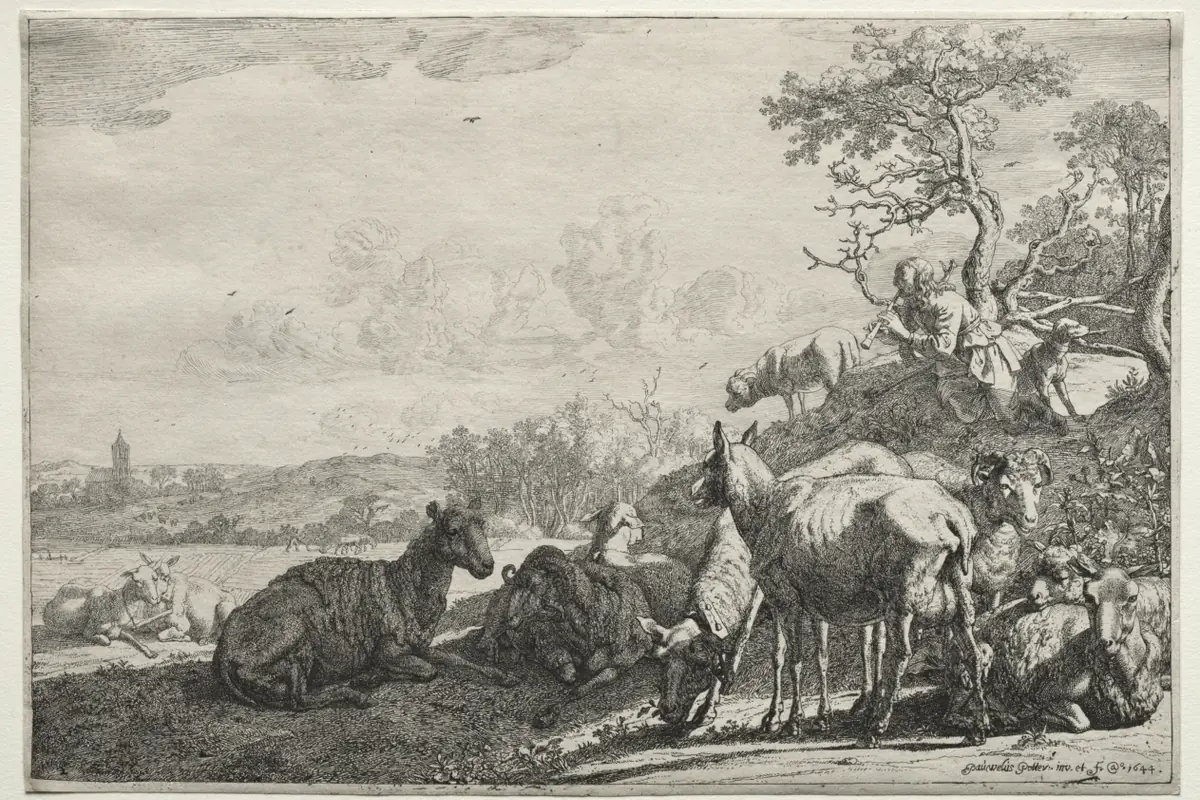
 Cleveland Museum of Art · CC0 1.0
The artist's rights, before and after the sale
Copyright protects works of the mind from their creation, without formalities. It gives the artist two sets of rights: economic rights, which allow them to control and profit from the exploitation of the work, and a moral right, attached to their person.
In the art market, it comes into play whenever a work is reproduced — catalogue, website, advertising, derivative product — or modified. It does not prevent the object from being resold, but frames what can be done with its image.
This page details the rights, their limits and good reflexes for operators.
Copyright and works of art in figures
Source: OIMAP Legal Affairs Department.
Economic rights
The artist, or their rights holders, controls the reproduction of the work (copy, photograph, print), its representation (exhibition, screening, online broadcast), its adaptation (transformation, derivatives) and its distribution (making available to the public). Any exploitation requires their consent.
This consent is formalised in an assignment contract or a licence: it specifies the extent of the rights assigned, their duration, the territory, the remuneration and the media concerned. An imprecise contract is interpreted in the author's favour.
The moral right and the exceptions
The moral right includes the right to be recognised as author (authorship), the right to respect for the work (integrity), the right of disclosure and, in some laws, the right of withdrawal or repentance. It is attached to the person, perpetual and inalienable in most Member States.
Exceptions allow the work to be used without permission in limited cases: quotation, teaching, preservation by institutions, informing the public of current events, reproduction in sale catalogues intended to present the work. Their content varies from State to State.
The work in the digital environment
The digital world multiplies the opportunities to reproduce a work: social networks, image search engines, online catalogues. Each reproduction is subject to copyright, which poses practical difficulties. Collective management societies offer blanket licences, which simplify operators' procedures.
In 2024 OIMAP signed a framework agreement with several of these societies, allowing approved auction houses to reproduce the works in their catalogues under simplified conditions. Artists receive fair remuneration from them.
Economic rights and moral right
| Right | Content | Assignable? |
|---|---|---|
| Reproduction | Copy the work onto a medium | Yes, by contract |
| Representation | Show the work to the public | Yes, by contract |
| Adaptation | Transform the work | Yes, by contract |
| Authorship | Be named as author | No |
| Integrity | Object to infringements | No |
Landmarks
- Berne Convention
International protection.
- WIPO treaties
Digital copyright.
- OIMAP directives
Reproduction in catalogues.
- Collective licence
Agreement with management societies.
Photographing a work to sell it
Assignment or licence
Assignment
Definitive transfer of rights- Long duration
- Remuneration often a flat fee
- Loss of control
For major exploitation rights.
Licence
Limited permission of use- Duration, territory, use defined
- Control kept by the artist
- Proportional remuneration
Recommended option.
Reproducing a protected work
- Check
Is the work protected?
- Search
Identify the rights holders.
- Ask
Obtain a written licence.
- Mention
Name the author.
- Respect
Keep to the agreed use.
Points to write into a contract
An artist
« Copyright is not a barrier: it is a conversation. Someone asks me, I answer, we come to an agreement. »
Vocabulary of copyright
- Rights holder
- Person who holds their rights from the author.
- Authorship
- Right to be recognised as author.
- Integrity
- Right to respect for the work.
- Exception
- Use permitted without permission in specific cases.
Frequently asked questions
Can I photograph a painting I have bought?
For your private use, yes; to distribute it, no, unless authorised.
Who holds the rights to a commissioned work?
The artist, unless expressly assigned.
What happens to the right after the artist's death?
It passes to the rights holders for the term of protection.
Whom should I contact for rights?
A collective management society or the rights holders.
Useful documents
Contacts
Related pages
 Intellectual propertyCopyright, resale right, role of WIPO: the rights of artists and their rights holders in the art market.›
 Resale rightThe royalty paid to the artist or their rights holders on professional resales: principle, scale, beneficiaries, collection and control.›
 WIPO and international treatiesThe World Intellectual Property Organization: treaties, services, cooperation with OIMAP and consequences for the art market.›
See the resale right
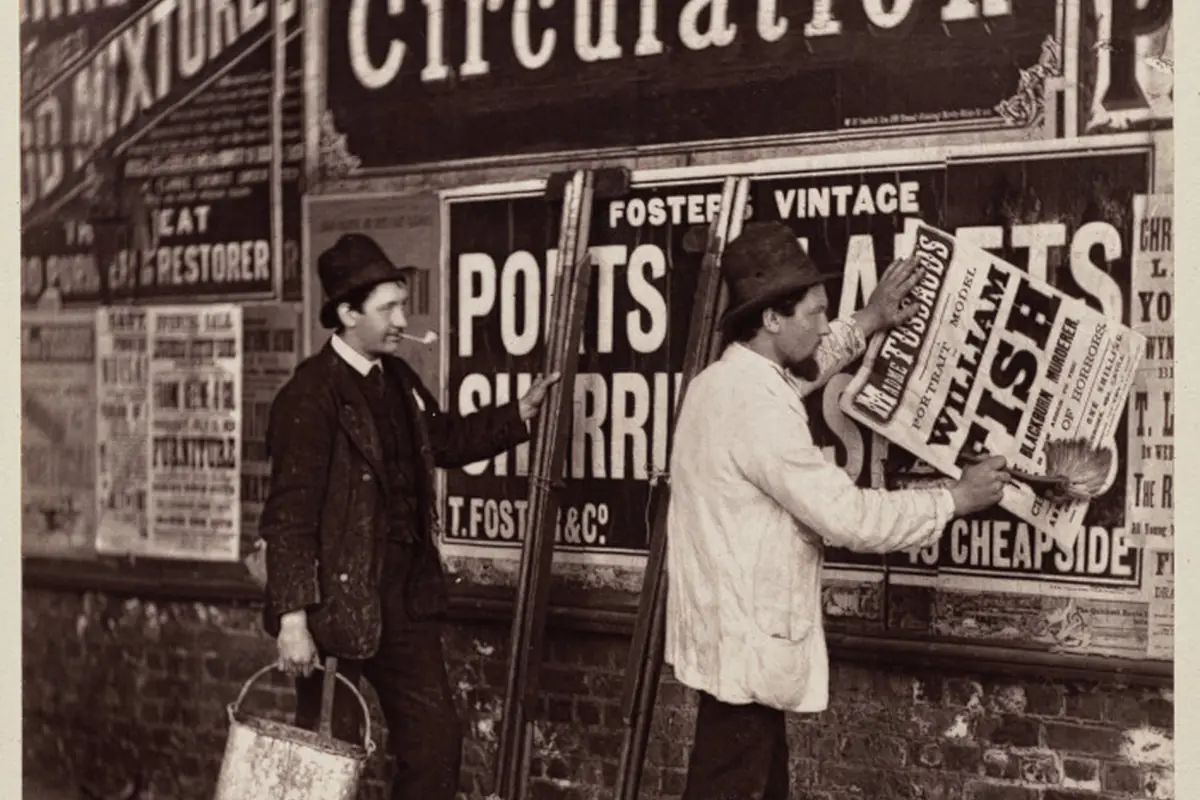
Image credits (16)
- The Shepherd, Paulus Potter (1644) — Cleveland Museum of Art, CC0 1.0
- Seal of Doge Michele Steno (reverse) (1400–1409) — Cleveland Museum of Art, CC0 1.0
- Fragment of a belt (hizam) (1800s) — Cleveland Museum of Art, CC0 1.0
- Construction of the John Stewart Store (c. 1856) — Cleveland Museum of Art, CC0 1.0
- Study for "Bathers at Asnières", Georges Seurat (c. 1883–84) — Cleveland Museum of Art, CC0 1.0
- Sweet Melancholy, Joseph-Marie Vien (1756) — Cleveland Museum of Art, CC0 1.0
- Self-Portrait with Five Muses, Henry Church (c. 1880) — Cleveland Museum of Art, CC0 1.0
- Church at Auvers, Édouard Baldus (1855) — Cleveland Museum of Art, CC0 1.0
- Altarpiece with Relics - God the Father, Joseph Matthias Götz (1735–40) — Cleveland Museum of Art, CC0 1.0
- Letter Box, Ogata Kōrin (1700s) — Cleveland Museum of Art, CC0 1.0
- Head of Proserpina, Gian Lorenzo Bernini (1650–1700) — Cleveland Museum of Art, CC0 1.0
- The Grotto of Posillipo, Hubert Robert (c. 1769) — Cleveland Museum of Art, CC0 1.0
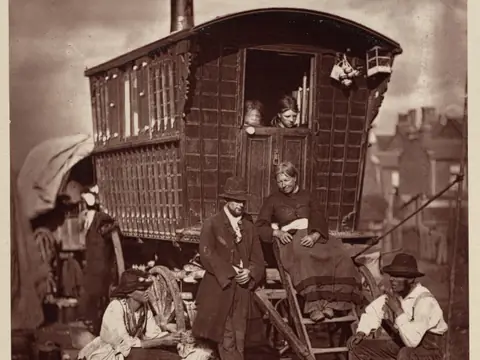
- London Nomades, John Thomson (1877) — Cleveland Museum of Art, CC0 1.0
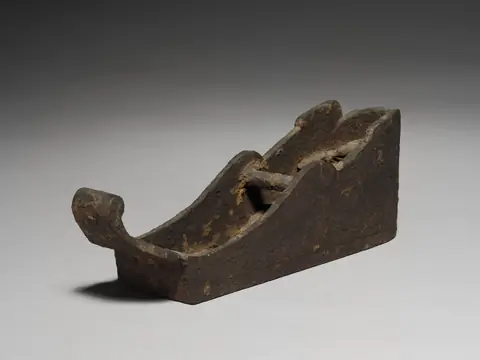
- Carpenter's Plane (1400s) — Cleveland Museum of Art, CC0 1.0
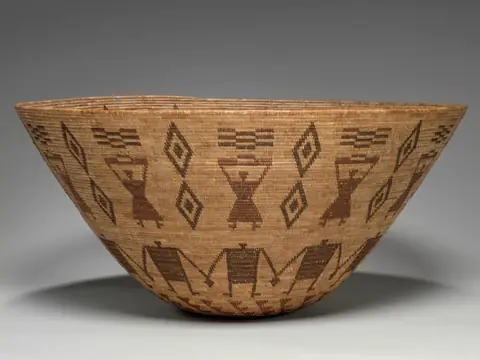
- Presentation Bowl (1900) — Cleveland Museum of Art, CC0 1.0
- Street Advertising, John Thomson (1876–77) — Cleveland Museum of Art, CC0 1.0