
 Cleveland Museum of Art · CC0 1.0
Pages in this section
 Upcoming conferencesThe next OIMAP conferences: themes, indicative dates, venues, audience and how to take part.›
 Past conferencesArchives of conferences already held: videos, presentations, summary reports and themes addressed.›
 Conference proceedingsCollections of papers, published within 90 days: content, formats, citation and access.›
An open series of debates
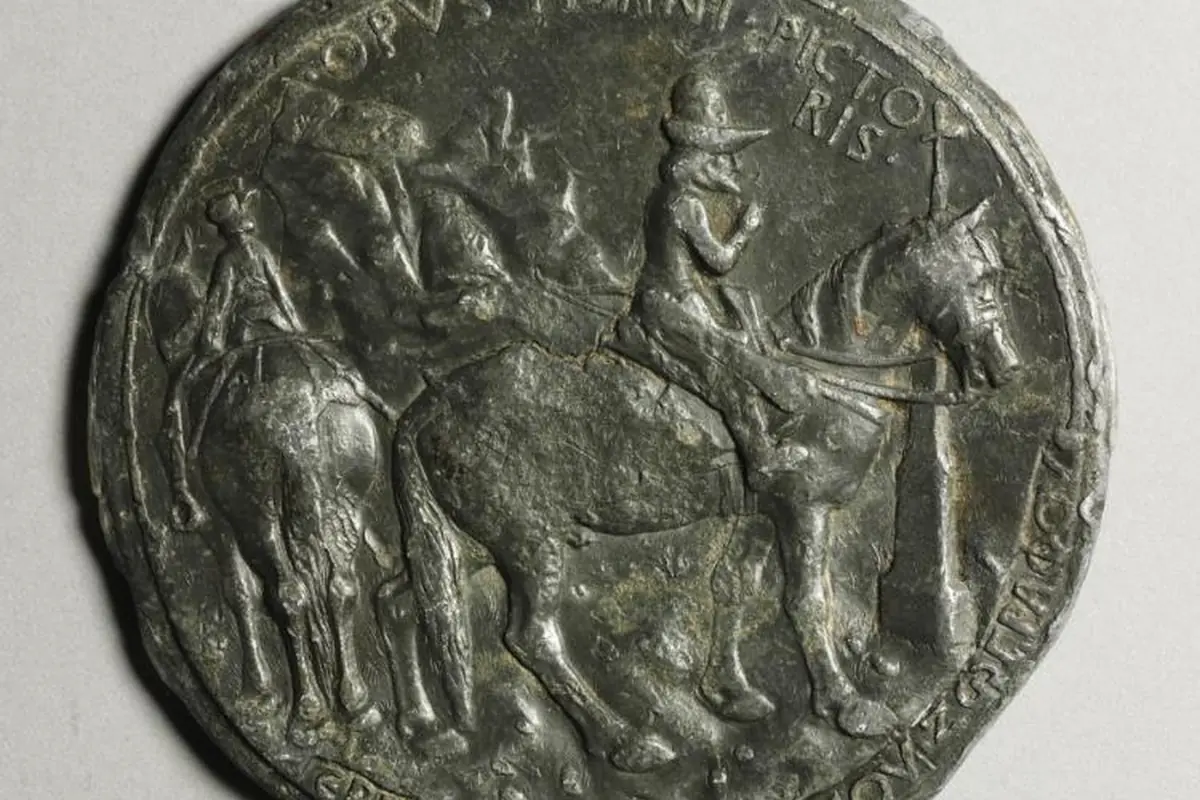
The OIMAP organises twenty-four conferences a year. Each brings together, for half a day or a full day, specialists in law, policing, customs, museums and the market around a topical theme. Debates are public unless otherwise stated, and the proceedings are published within 90 days.
This section presents the upcoming conferences, the past conferences and the proceedings.
Conferences are held in Paris, Geneva and the regional offices, and are streamed online.
Conferences in figures
Source: Events and Communications Directorate.
Three pages
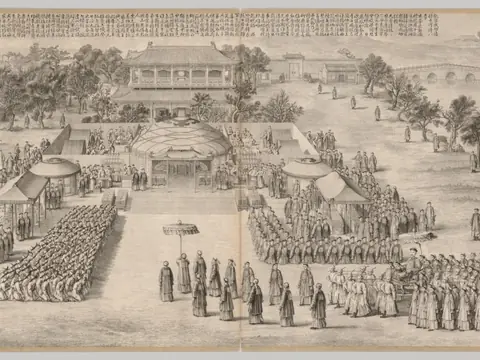
Aim of the conferences
The conferences disseminate the state of the art and compare practices. They address subjects ripe for debate: application of a convention, first feedback on a tool, developments in a market.
They also prepare the work of the General Assembly by identifying issues that deserve a resolution or a directive.
How a theme is chosen
The programme committee, made up of ten experts, proposes themes at the end of the previous year on the basis of requests from Member States, reports to the Desk and recommendations of the OIMAP Review.
The Council approves the calendar. An urgent theme may be added during the year, for example following an exceptional trafficking case.
Audience and participation
Conferences are open to public officials, market professionals, researchers and students. Registration is online and participation is free for public officials.
Remote participants follow the debates live and ask questions through the chat. Sessions are subtitled.
Conference formats
A conference generally includes an opening address, two round tables, a question session and a conclusion. Some include a practical workshop in the afternoon.
Large-scale conferences run over two days and gather up to six hundred people. Smaller formats, of fifty people, encourage discussion.
Three stages of a conference
| Stage | Deliverable | Timing |
|---|---|---|
| Before | Programme | 6 weeks before |
| During | Streaming | Live |
| After | Proceedings | 90 days |
Milestones
- Law
Legal conferences.
- Market
Market and digital.
- Field
Operations and investigations.
- Review
Restitutions.
Asking a question
Conference or seminar
Conference
Wide audience- Topical theme
- Streaming
- Proceedings published
To stay informed.
Seminar
Small group- In-depth study
- Regional format
- Workshop-based work
To go deeper.
Following a conference
- Browse
The next dates.
- Register
Online.
- Attend
On site or remotely.
- Read
The proceedings.
- Reuse
The content.
Good practice
A magistrate
« The conferences allowed me to compare my practice with that of colleagues abroad. That is invaluable when handling a cross-border case. »
Conference vocabulary
- Proceedings
- Collection of papers.
- Round table
- Debate among speakers.
- Moderator
- Host of the debate.
- Programme committee
- Body that chooses the themes.
After the conference
Each conference results in a report within ten days, a video recording within four weeks and the full proceedings within ninety days.
These three products are archived and available without time limit. They also feed the Academy modules.
Frequently asked questions
Are the conferences free?
For public officials, yes; other participants pay an indicative fee.
Can they be watched again?
Yes, in the video library.
Where can I read the proceedings?
See Proceedings.
How can I suggest a theme?
By writing to the Events Directorate.
Useful documents
Contacts
Related pages
 ActivitiesEvents, conferences, publications, media, prizes, exhibitions and the sales calendar: the public life of OIMAP throughout the year.›
 Upcoming conferencesThe next OIMAP conferences: themes, indicative dates, venues, audience and how to take part.›
 Past conferencesArchives of conferences already held: videos, presentations, summary reports and themes addressed.›
 Conference proceedingsCollections of papers, published within 90 days: content, formats, citation and access.›
See upcoming conferences
Image credits (23)
- Side Drawer for Cabinet, André-Charles Boulle (c. 1690) — Cleveland Museum of Art, CC0 1.0
- Twilight in the Wilderness, Frederic Edwin Church (1860) — Cleveland Museum of Art, CC0 1.0
- The Dance at the Court of Herod, Israhel van Meckenem (c. 1500) — Cleveland Museum of Art, CC0 1.0
- Boy with Anchor, Winslow Homer (1873) — Cleveland Museum of Art, CC0 1.0
- Portrait of John VIII Palaoelogus, Emperor of Constantinople, 1424-1428 (reverse), Pisanello (c. 1438–1439) — Cleveland Museum of Art, CC0 1.0
- Bookplate: Boylston Medical Library, George Girdler Smith (1806–39) — Cleveland Museum of Art, CC0 1.0
- Interior Drawer for Cabinet, André-Charles Boulle (c. 1690) — Cleveland Museum of Art, CC0 1.0
- The Victory Banquet: from Battle Scenes of the Quelling of Rebellions in the Western Regions, with Imperial Poems (c. 1765–74; poem dated 1760) — Cleveland Museum of Art, CC0 1.0
- Cabinet Plate, W. T. Copeland & Sons (1883) — Cleveland Museum of Art, CC0 1.0
- A Lady Reading, Francis Seymour Haden (1833–1910) — Cleveland Museum of Art, CC0 1.0
- Bowl with Chrysanthemums, Seifū Yohei IV (1914–46) — Cleveland Museum of Art, CC0 1.0
- Coronation of the Virgin, Christoffel Jegher (1632–36) — Cleveland Museum of Art, CC0 1.0
- Winding Yarn (Interior of a Nantucket Kitchen), Eastman Johnson (1872) — Cleveland Museum of Art, CC0 1.0
- St. Anthony Reading, Albrecht Dürer (1519) — Cleveland Museum of Art, CC0 1.0
- Towel End (c 1700s- 1800s) — Cleveland Museum of Art, CC0 1.0
- The birth of Rama and his brothers, from Chapter 17 of the Bala Kanda (Book of Childhood) of the Adhyatma Ramayana (Rama's Journey of the Su (c. 1820–30) — Cleveland Museum of Art, CC0 1.0
- High Class Students and Teachers at Bishop Cotton School, Shimla (verso), Raja Deen Dayal (c. 1882–87) — Cleveland Museum of Art, CC0 1.0
- A Palace with an Arched Bridge (A Roman Villa), Hubert Robert (1760) — Cleveland Museum of Art, CC0 1.0
- Leaf from a Lectionary with St. Luke (1057–1063) — Cleveland Museum of Art, CC0 1.0
- Corner Cabinet, René Dubois (c. 1765–1770) — Cleveland Museum of Art, CC0 1.0
- Woman Sitting Reading , Georges Lemmen (1905) — Cleveland Museum of Art, CC0 1.0
- Farmhouse on the Slope of a Hill, Fra Bartolommeo (c. 1508) — Cleveland Museum of Art, CC0 1.0
- Panel (c. 1780–1840) — Cleveland Museum of Art, CC0 1.0