
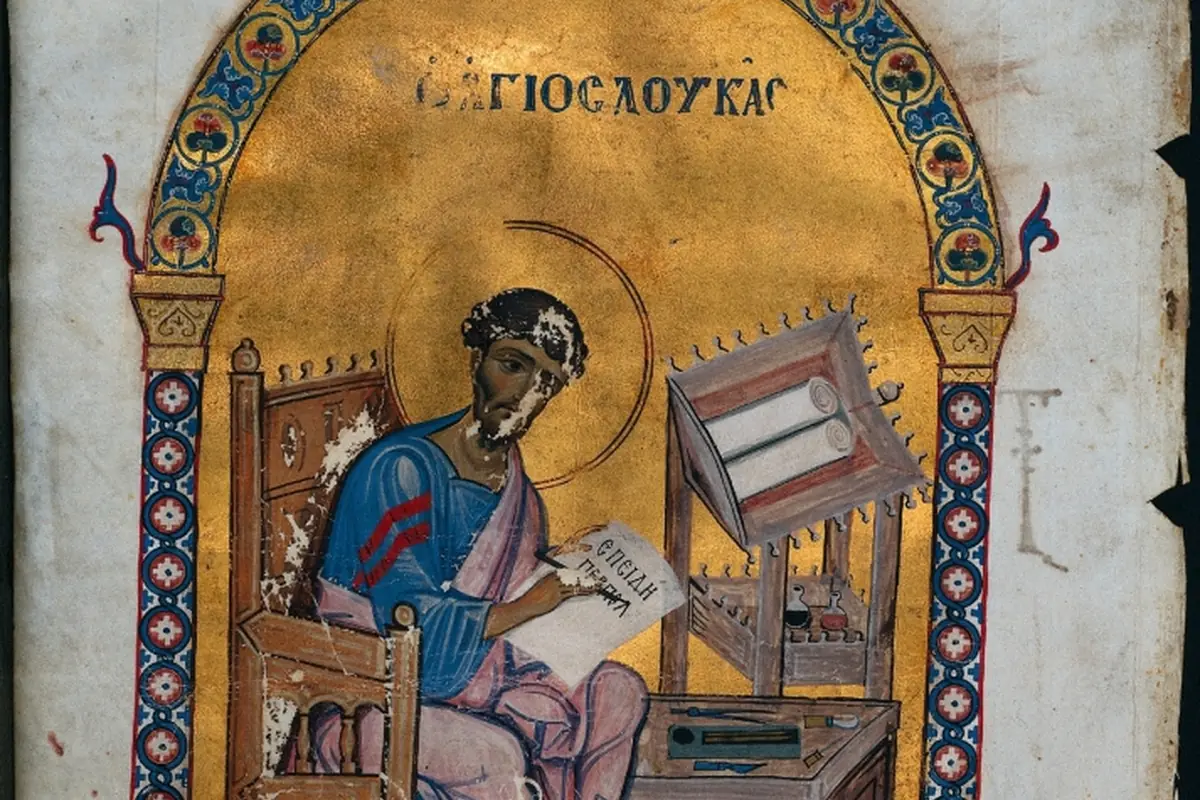
 Cleveland Museum of Art · CC0 1.0
Teaching what one practises
The Academy's principle is simple: whoever teaches the seizure of an object must have seized one, whoever teaches arbitration must have pleaded. The 86 trainers are practising professionals, supplemented by academics.
A third of them are permanent; the others work part time. Forty-seven percent are women, and thirty-eight nationalities are represented.
This page presents their profiles, selection and evaluation.
Teaching staff in figures
Source: OIMAP Academy.
Selection and training
Trainers are recruited on file and by audition: they give a test class before a panel. They then take training in adult pedagogy, active methods and ethics. An experienced trainer accompanies them during their first sessions.
The teaching committee ensures a balance of profiles: practice and theory, countries of the North and South, men and women.
Evaluation and improvement
Each course is evaluated by the trainees on five criteria: clarity, relevance, interactivity, availability, respect. The results are analysed each quarter. A trainer whose average score is below 3.5 receives support and may be suspended.
Peer observation allows good practices to be shared. An annual seminar brings all the trainers together to exchange on their methods.
Guest speakers
In addition, the Academy invites some forty outside speakers each year: judges, police commissioners, museum directors, historians, protagonists of restitution operations. They bring precise testimony and an outside perspective.
Speakers sign the code of conduct and declare their interests. No market operator may speak in order to promote its services.
Research and publications
Trainers publish manuals, case studies and articles, available in the teaching library. The Academy supports their research by funding field missions and conferences.
Their work also feeds OIMAP's Protection, Market and Regulation sections.
Profiles by field
| Field | Trainers | Examples |
|---|---|---|
| Law | 24 | Art market, procedure |
| Protection | 22 | Customs, law enforcement |
| Market | 18 | Sales, due diligence |
| Conservation | 14 | Provenance, restoration |
| Digital | 8 | Analysis, databases |
Milestones
- 12 trainers
Creation.
- 40 trainers
Growth.
- Training of trainers
Programme.
- 86 trainers
Current staff.
Trainer's charter
Permanent or associate
Permanent
Full time- Availability
- Follow-up of trainees
- Design of programmes
A third of the trainers.
Associate
Part time- Field experience
- Specialised courses
- Variable availability
Two thirds of the trainers.
Becoming a trainer
- Apply
File.
- Present
Test class.
- Train
Pedagogy.
- Teach
First session.
- Be evaluated
Feedback.
Qualities sought
A trainer
« Teaching forces me to explain what I have done for twenty years. I learn as much as the trainees in every session. »
Vocabulary of trainers
- Practitioner
- Professional in practice.
- Guest speaker
- Occasional outside expert.
- Charter
- Written commitment.
- Active pedagogy
- Participatory methods.
Availability of trainers
Trainers can be reached for the duration of sessions and receive trainees by appointment. For certification programmes, each trainee is followed by a tutor who helps with preparing the dissertation and with professional guidance.
After the training, trainers remain available to answer practical questions via the alumni network: advice given in time is often worth more than a long course.
To go further
The Academy's reception service answers practical questions Monday to Friday, in French, English and Spanish, and can direct each visitor to the programme, scholarship or free resource that fits their situation. A guidance counsellor also offers a thirty-minute individual meeting, by appointment, to build a realistic training pathway.
Trainees' feedback is valuable: each session gives rise to a questionnaire, and the most useful suggestions are examined each quarter by the teaching committee. Do not hesitate to write to report a difficulty, propose a subject or tell us what the training has changed in your practice.
Frequently asked questions
How does one become a trainer?
By application.
Are trainers paid?
Yes.
Can one know the trainer before enrolling?
Yes, on the programme sheet.
Where can I see the presentation?
See Presentation.
Useful documents
Contacts
Related pages
 OIMAP AcademyThree campuses, eighty-six trainers and seventeen years of experience: OIMAP's school at the service of heritage.›
 Presentation of the AcademyHistory, mission, teaching methods and commitments of the OIMAP Academy since its creation in 2008.›
 Academy campusesParis, Nairobi, Singapore: three campuses, their facilities, their programmes and practical information on how to get there.›
See the presentation
Image credits (16)
- Leaf from a Lectionary with St. Luke (1057–1063) — Cleveland Museum of Art, CC0 1.0
- Corner Cabinet, René Dubois (c. 1765–1770) — Cleveland Museum of Art, CC0 1.0
- Bookplate: Boylston Medical Library, George Girdler Smith (1806–39) — Cleveland Museum of Art, CC0 1.0
- Artist with His Palette and Brushes (c. 1855) — Cleveland Museum of Art, CC0 1.0
- A Lady Reading, Francis Seymour Haden (1833–1910) — Cleveland Museum of Art, CC0 1.0
- Boy with Anchor, Winslow Homer (1873) — Cleveland Museum of Art, CC0 1.0
- St. Anthony Reading, Albrecht Dürer (1519) — Cleveland Museum of Art, CC0 1.0
- Sake Pourers with Bamboo and Bellflowers, Seifū Yohei I (c. 1844–57) — Cleveland Museum of Art, CC0 1.0
- High Class Students and Teachers at Bishop Cotton School, Shimla (verso), Raja Deen Dayal (c. 1882–87) — Cleveland Museum of Art, CC0 1.0
- Interior Drawer for Cabinet, André-Charles Boulle (c. 1690) — Cleveland Museum of Art, CC0 1.0
- Woman Sitting Reading , Georges Lemmen (1905) — Cleveland Museum of Art, CC0 1.0
- Capriccio: A Palace with a Courtyard by the Lagoon, Antonio Canaletto (c. 1750–55) — Cleveland Museum of Art, CC0 1.0
- Farmhouse on the Slope of a Hill, Fra Bartolommeo (c. 1508) — Cleveland Museum of Art, CC0 1.0
- Side Drawer for Cabinet, André-Charles Boulle (c. 1690) — Cleveland Museum of Art, CC0 1.0
- Edge of the Woods Near L'Hermitage, Pontoise, Camille Pissarro (1879) — Cleveland Museum of Art, CC0 1.0
- Head of Proserpina, Gian Lorenzo Bernini (1650–1700) — Cleveland Museum of Art, CC0 1.0