
 Cleveland Museum of Art · CC0 1.0
Seeing what the eye cannot see
Scientific imaging brings together non-invasive techniques that make hidden information visible: preparatory drawing under the painted layer, pentimenti, modern retouching, internal structures of a sculpture, effaced inscriptions.
It is the first family of analyses requested (46% of analyses carried out in 2024): inexpensive, quick, without sampling. It costs from €250 to €700 excl. VAT depending on the technique and the number of shots.
Its results are integrated into the expert's opinion and also feed conservation reports.
Imaging in figures
The techniques
| Technology | What it reveals |
|---|---|
| Infrared reflectography | Underdrawing, pentimenti, inscriptions under the paint |
| Ultraviolet fluorescence | Old varnishes, retouching, restorations |
| X-radiography | Internal structure, nails, cracks, lead-rich layers |
| Macrophotography | Details of workmanship, craquelure, wear |
| Raking light | Reliefs, lifting, deformations |
| 3D survey | Volumes, deformations, comparison of sculptures |
Course of an imaging session
- Preparation
Setting up the work, calibrating the light.
- Shooting
Series of images per technique, always in the same conditions.
- Assembly
Gathering of the images and normalisation.
- Reading
The expert interprets by comparing the layers.
- Image file
The images are added to the file and the passport.
A screening tool
Infrared or X-rays
Infrared
Seeing beneath the painted layer- Preparatory drawing
- Pentimenti
- Effaced inscriptions
For paintings.
X-rays
Seeing inside- Structure of the support
- Nails and cracks
- Lead-rich layers
For paintings and sculptures.
Case study: a revealing pentimento
A signature that betrays
A painting attributed to a Flemish master is studied by infrared reflectography.
- The underdrawing reveals a hesitant line, hardly compatible with the master's hand.
- A retouching is detected in ultraviolet at the location of the signature.
- The expert concludes an attribution to the workshop.
A “workshop” certificate is issued; the signature is described as later.
Calendar of a session
- Agreement
Techniques chosen.
- Shooting
On site or in the workshop.
- Assembly
Standardised images.
- Report
Expert's reading.
Imaging and conservation
The images produced do not serve only for authentication. They constitute a reference condition of the work at a given date, valuable in the event of a claim, restoration or dispute. They are kept in the file for the same period as the other documents.
For a loan or transport, comparing images before and after makes it possible to spot alterations the eye would not have seen. The conservation report relies on the same techniques.
A principle of curiosity
« A good image proves nothing: it poses the question one would have forgotten to ask. »
Vocabulary of imaging
- Reflectography
- Infrared imaging that passes through certain layers of paint.
- Pentimento
- Change of composition visible beneath the paint.
- UV fluorescence
- Emission of visible light under ultraviolet illumination.
- Radiography
- Image obtained by X-rays.
Frequently asked questions
Is imaging safe?
Yes, the doses and powers are controlled and have no effect on the material.
Can it be done at my home?
For portable techniques (UV, macrophotography, infrared), yes; X-rays require a laboratory.
How many images are produced?
From 20 to 200 depending on the work and the techniques.
Do the images belong to me?
They are added to the file; you may request a copy.
Useful documents
Contacts
Related pages
 ExaminationHow the condition of a work is observed, measured and recorded during a conservation examination.›
 Spectroscopic analysesX-ray fluorescence, Raman and infrared: identify pigments, metals and binders to confirm or contradict the dating of a work.›
 Certificates of authenticityThe OIMAP certificate of authenticity establishes, through independent expertise and scientific analysis, that the work is indeed the one claimed.›
Request imaging
Image credits (16)
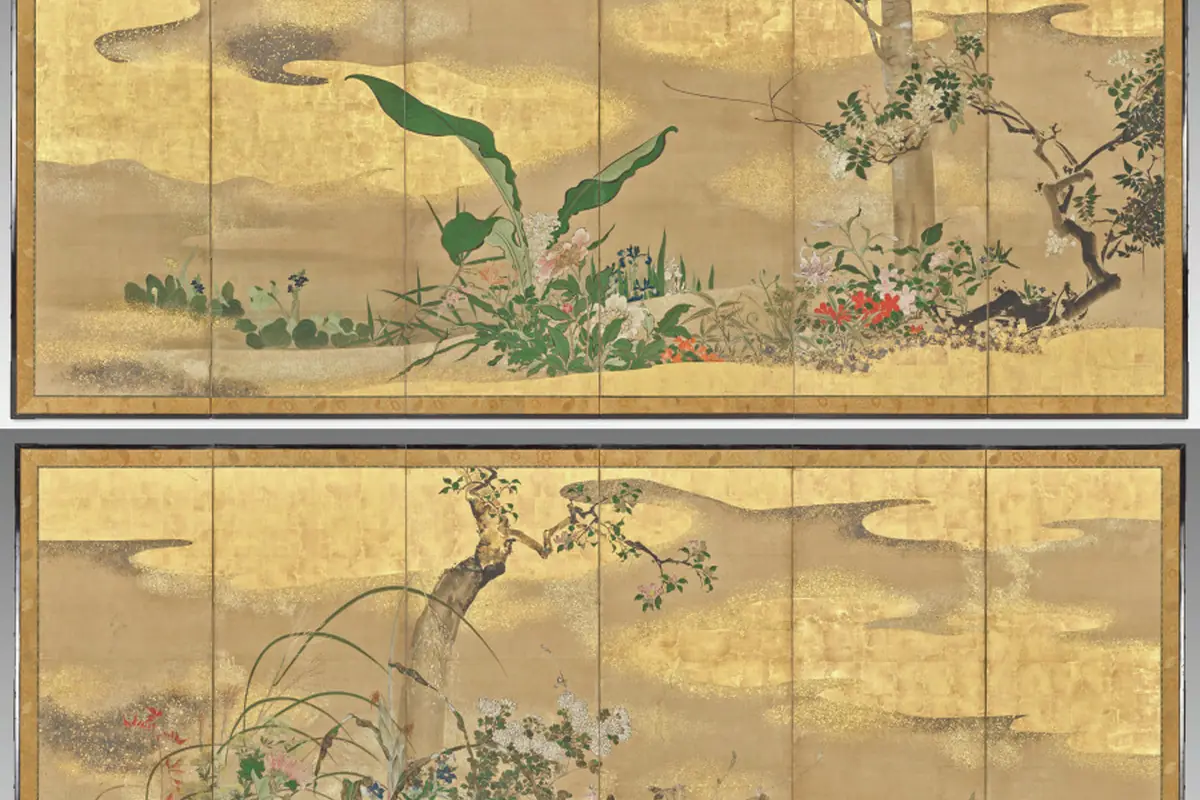
- Flowers and Trees of the Four Seasons, Watanabe Shikō (early-mid 1700s) — Cleveland Museum of Art, CC0 1.0
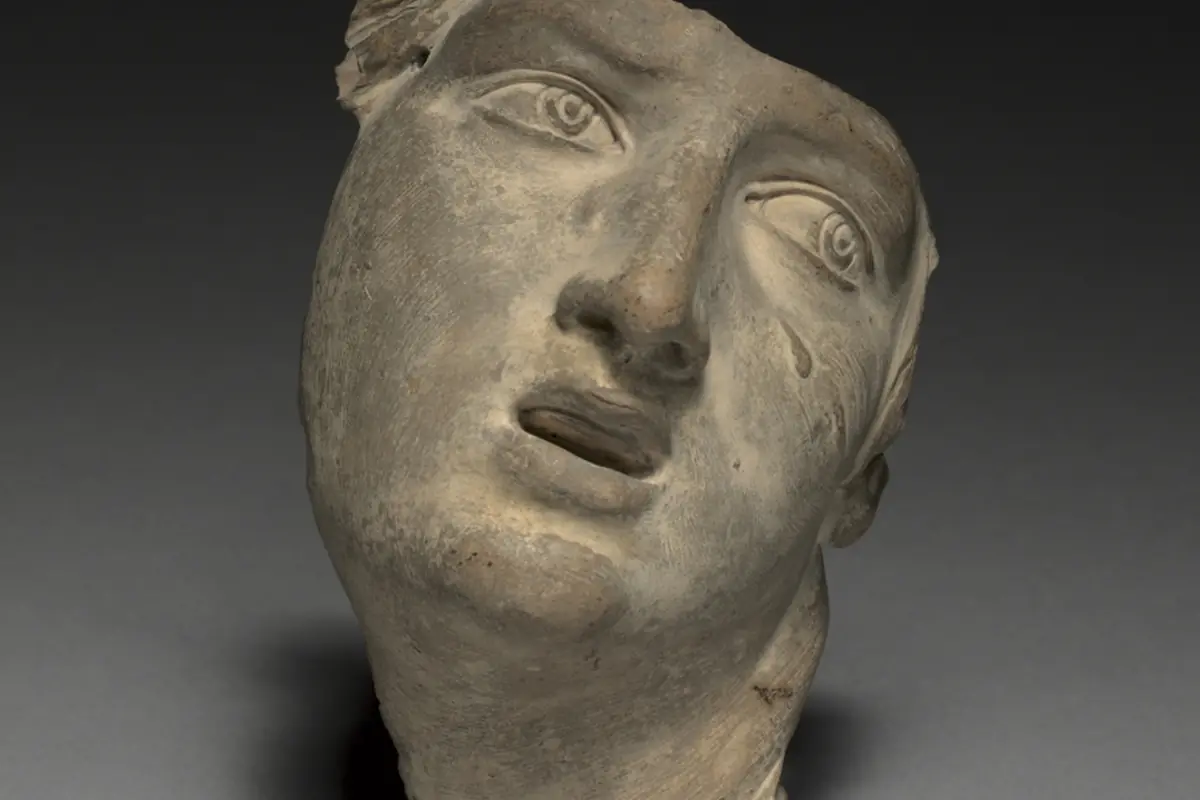
- Head of Proserpina, Gian Lorenzo Bernini (1650–1700) — Cleveland Museum of Art, CC0 1.0
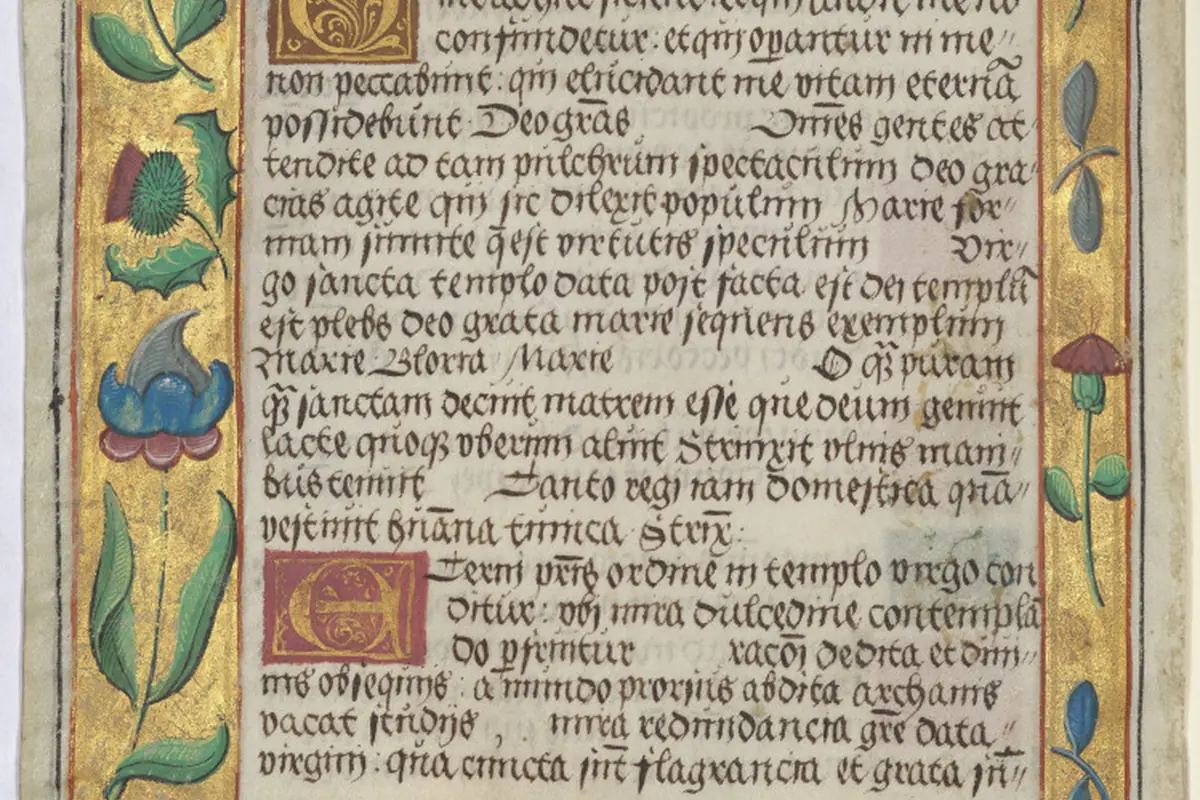
- Leaf from a Psalter and Prayerbook: Ornamental Border with Carnations, a Thistle, and a Cook Ladling Soup (verso) (c. 1524) — Cleveland Museum of Art, CC0 1.0
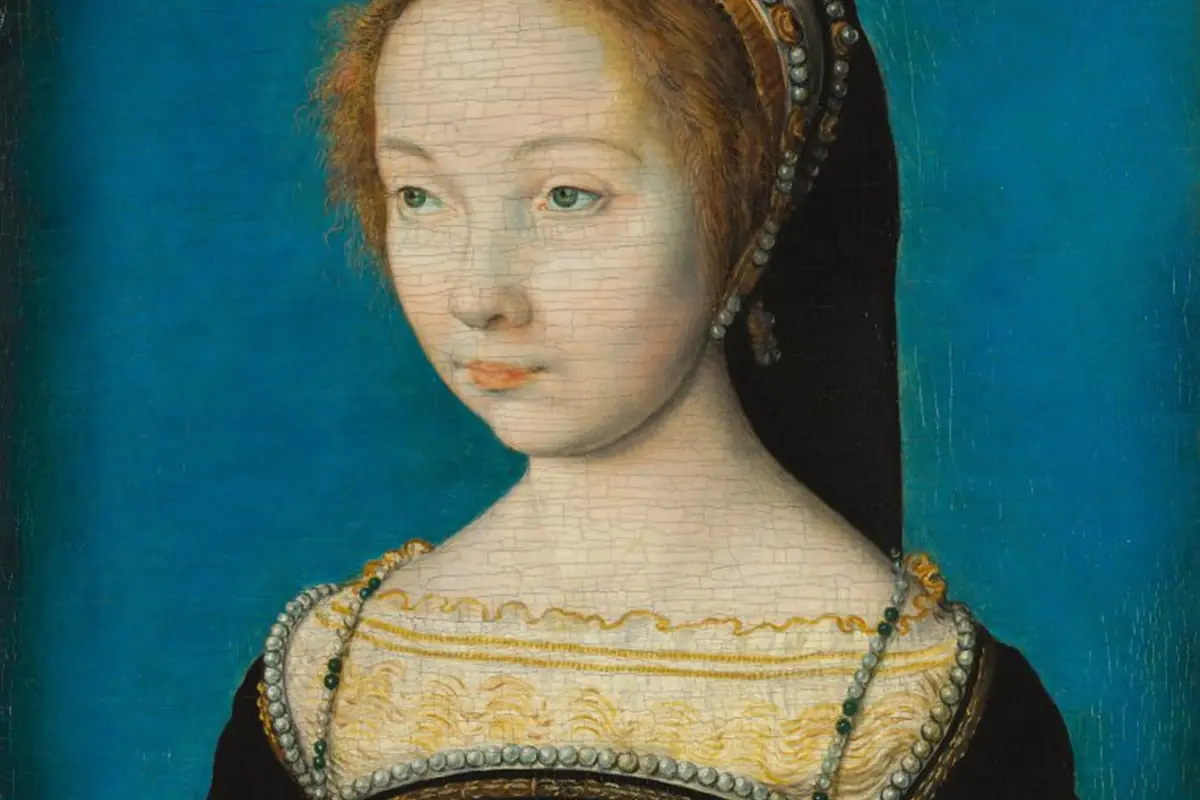
- Portrait of a Woman, Corneille de Lyon (c. 1540) — Cleveland Museum of Art, CC0 1.0
- Compass and Sun Dial (1700–1750) — Cleveland Museum of Art, CC0 1.0
- Medal of Claude Joseph Rouget de L'Isle (1760-1836), Alfred Borrel (1911) — Cleveland Museum of Art, CC0 1.0
- Medal: In Commemoration of the Fiftieth Anniversary - The Warner and Swasey Company, Victor D. Brenner (1930) — Cleveland Museum of Art, CC0 1.0
- Portrait of a Man, Louis Lafitte (1793) — The Metropolitan Museum of Art, CC0 1.0
- An Indigo Factory, Allahabad, Louis-Théophile Marie Rousselet (1865–68, published 1869–70) — Cleveland Museum of Art, CC0 1.0
- Fragment of a belt (hizam) (1800s) — Cleveland Museum of Art, CC0 1.0
- Peregrine Falcons (Duck Hawks), John James Audubon (c. 1827) — Cleveland Museum of Art, CC0 1.0
- Architectural Conference (c. 1622) — Cleveland Museum of Art, CC0 1.0
- Study of Hands (recto); Sketch of a Hand (verso), Pierre Lenfant (1700s) — Cleveland Museum of Art, CC0 1.0
- Jar with Stamped Decoration (1400s) — Cleveland Museum of Art, CC0 1.0
- Fish or Seal Club (X’ús’) (late 1800s–early 1900s) — Cleveland Museum of Art, CC0 1.0
- Portrait of a Woman, Anna Claypoole Peale (1820) — Cleveland Museum of Art, CC0 1.0